One of Japan’s best-kept secrets is its unique tea collection, enhancing the richness of your favorite dishes. Whether served as a drink or incorporated into dishes, tea in Japan goes beyond your typical cup—it embodies a true culinary tradition that reflects harmony and hospitality between nature and you. Tea also plays an incredibly valuable role in life events like wedding celebrations or farewells, where types of tea are chosen to honor the occasion, making it all the more momentous. And just like every region of Japan has its own culinary specialities, the methods of producing tea and how it’s enjoyed vary widely. Let’s explore some of the best Japanese teas and their cultural significance.
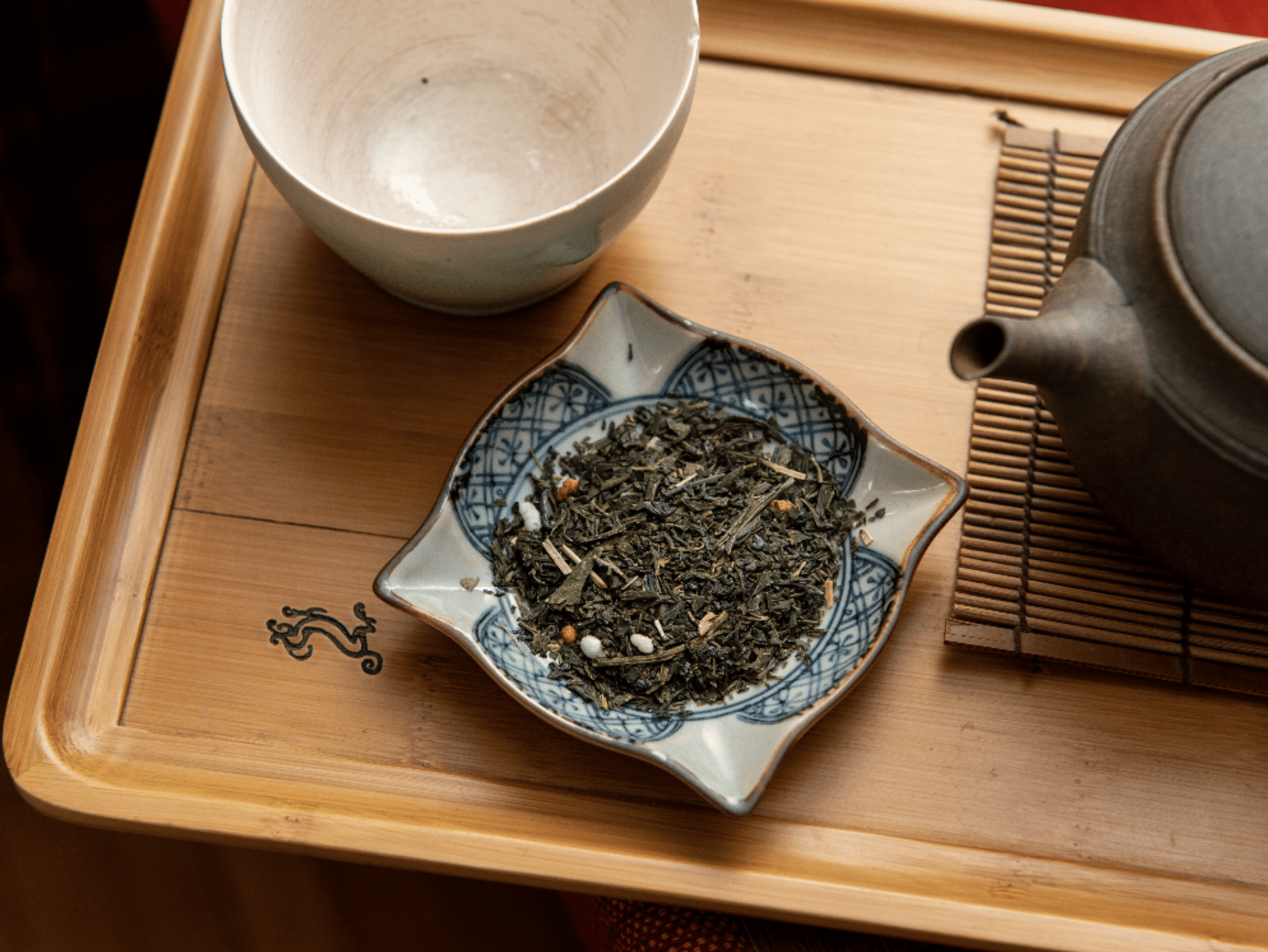
Obukucha Tea – Photo Credit: Max Falkowitz / Leafhopper
Obukucha
As the New Year approaches, one delightful tradition you won’t want to miss is Obukucha, often known as “lucky tea”—think of it as your personal good luck charm in a cup! Wondering why it’s called “lucky tea”? It’s all in its ingredients! If you want to prepare your own Obukucha, brew green tea, add dried ume (plum) and kombu (seaweed), and then pour the tea over the mixture. Finally, a light coating of gold flakes for an extra festive touch. This light, comforting tea is not only flavorful but also symbolizes prosperity and health, making it a perfect choice for welcoming the new year.
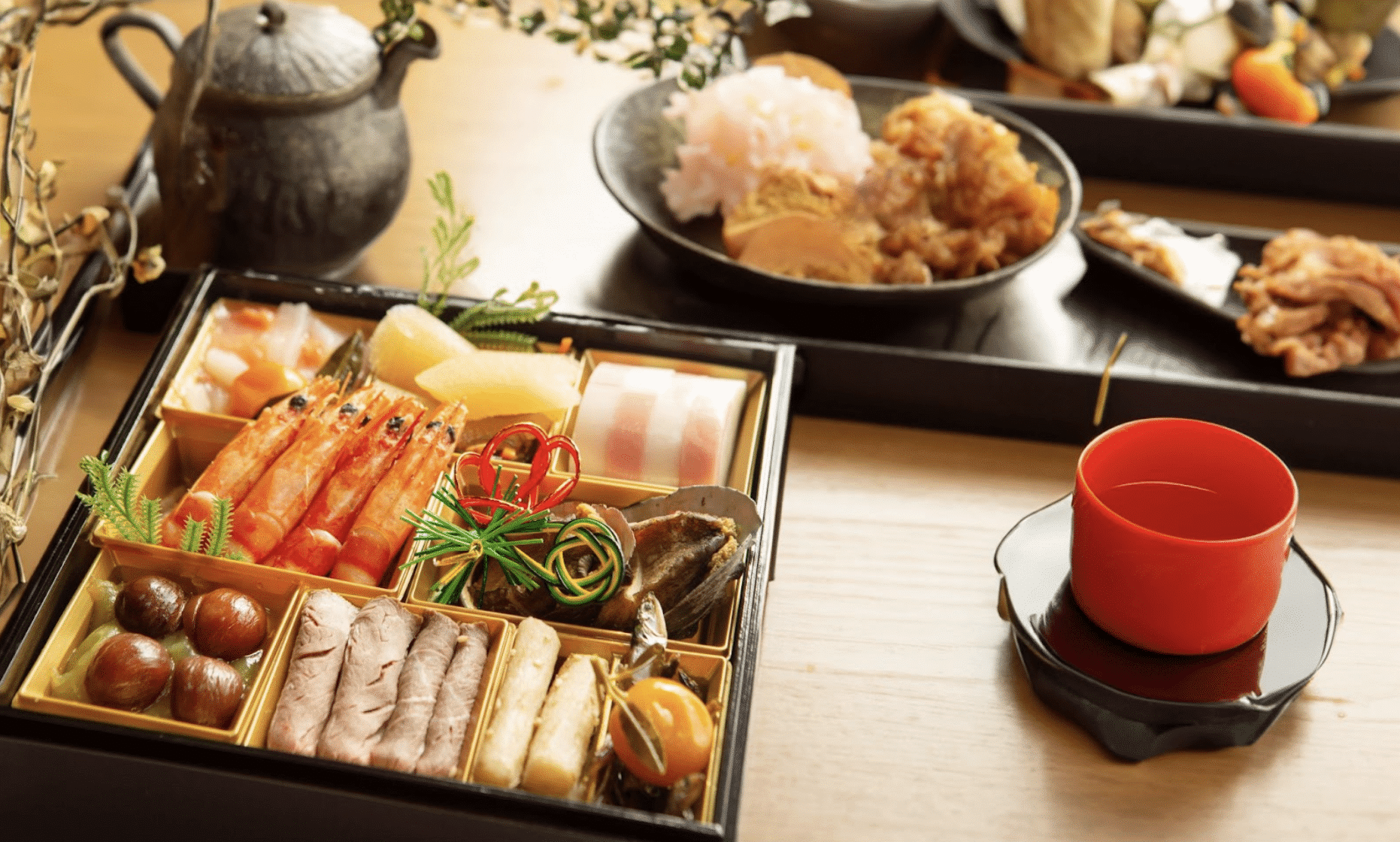
Osechi Ryori – Photo Credit: mnimage
Adding to its significance, Obukucha is often best enjoyed alongside osechi ryori, a traditional New Year’s meal beautifully presented in stacked bento-like boxes called jubako. This multi-course meal typically features a variety of cold dishes, including sweet black soybeans (kuromame) and vinegared seafood (suwamono), each chosen for its unique meaning and to bring good fortune into your life.
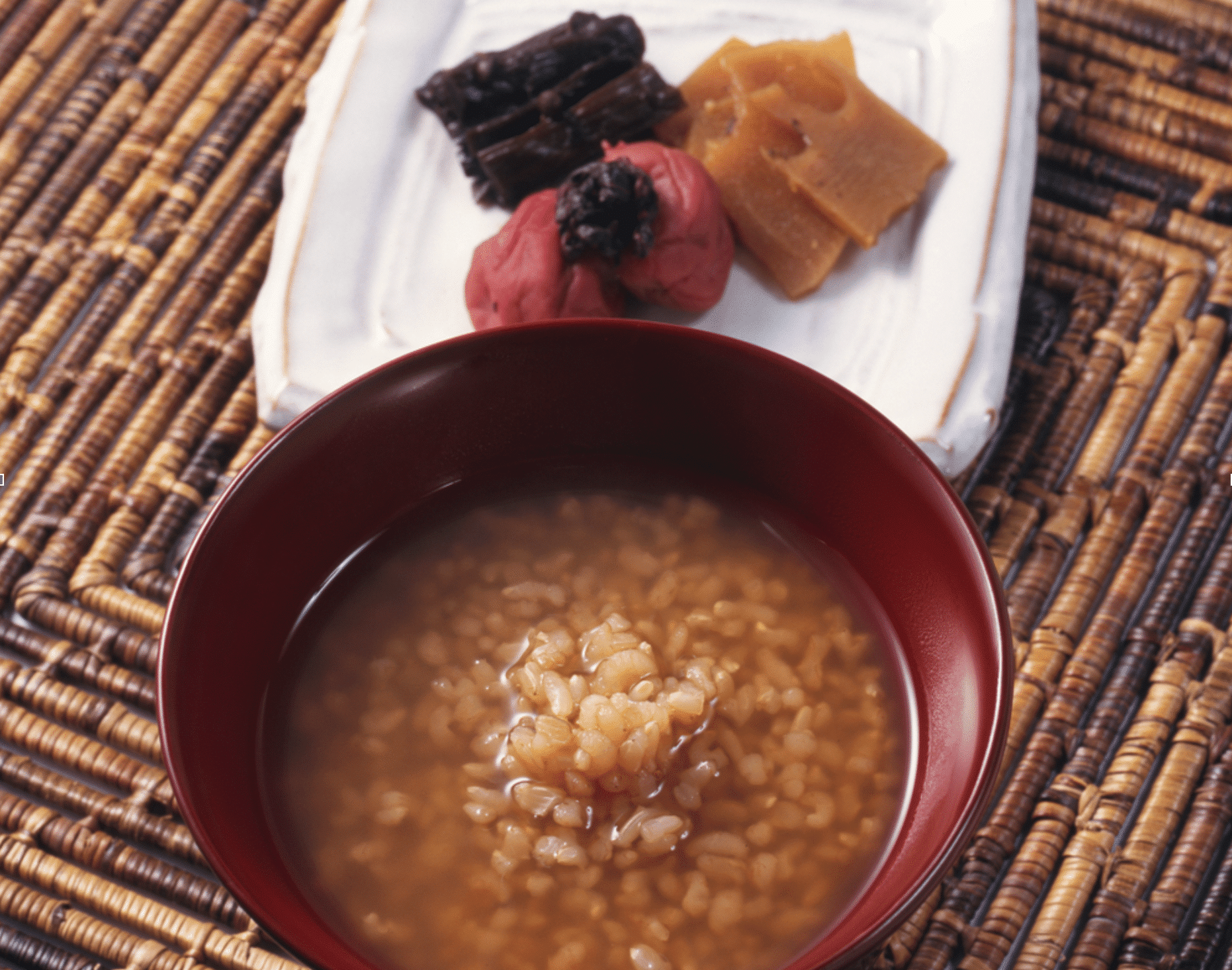
Chagayu – Photo Credit: funny face
Chagayu
Have you ever wondered what a combination of tea and porridge would taste like? If you’re a lover of both, like I am, you’re in for a treat! Chagayu, a tea porridge cherished in Nara Prefecture, blends the soothing qualities of rice porridge with the rich flavors of tea, most commonly houjicha, a fragrant roasted green tea. It’s the ultimate comfort food, especially during the cooler months when you’re looking for something warm and cozy.
Making Chagayu is simple and allows for a bit of personalization. You begin by rinsing the rice to ensure it cooks to the perfect creamy consistency. Then, mix it with water and add a generous amount of houjicha, letting the tea steep and share its nutty flavor with the rice. As it simmers, you’ll have a nourishing meal that warms you from the inside out.
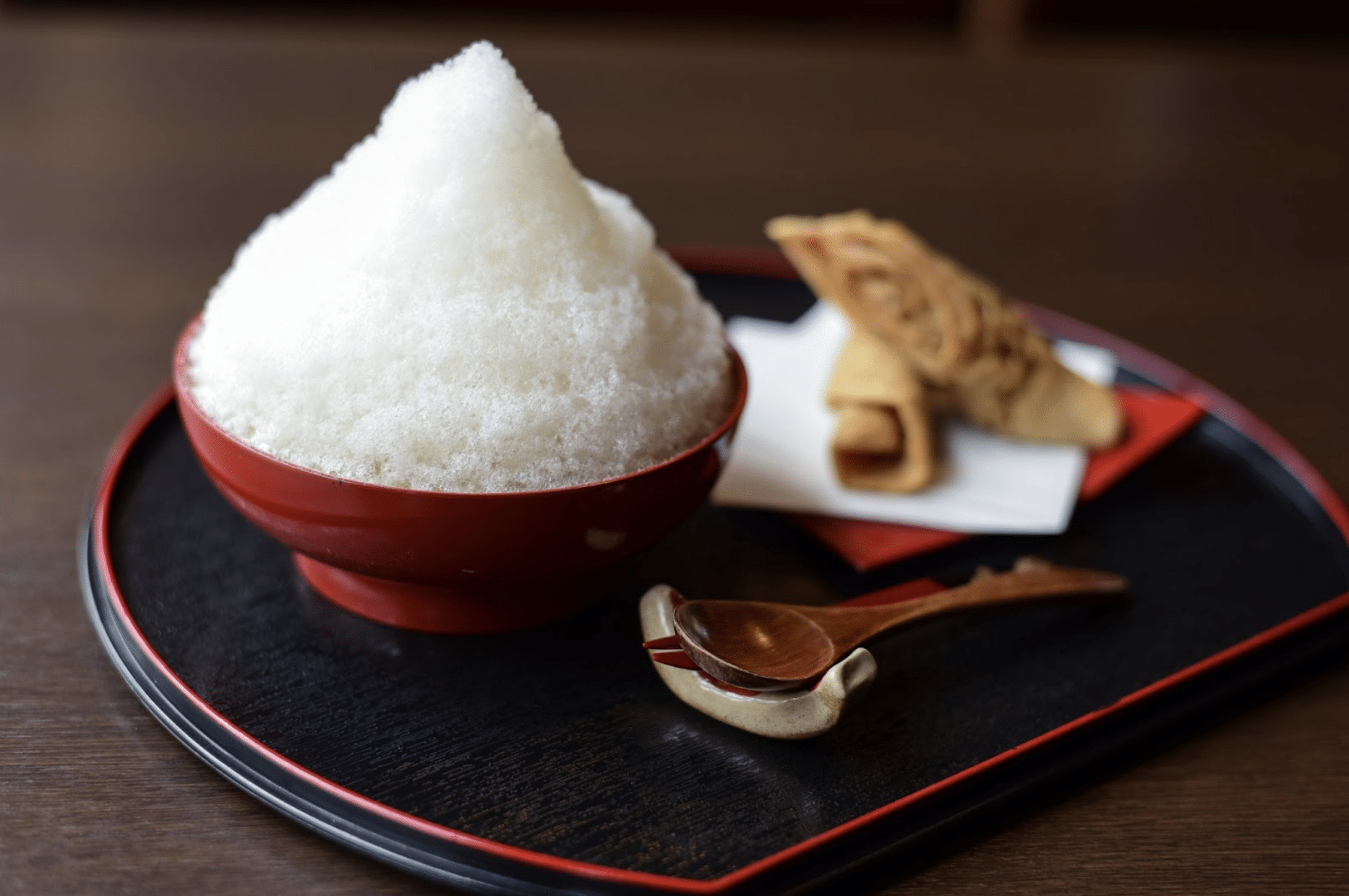
Bukubuku Tea – Photo Credit: fiatung
Bukubuku-cha and Sanpincha
Ever had a tea so foamy you can’t help but be amazed by how it looks—and even more amazed by how it tastes? Bukubuku-cha is a frothy tea from Okinawa, created by whisking tea with a bamboo whisk to form light, airy bubbles. The mineral-rich hard water in southern Okinawa is what gives it its signature froth. If you want to take it to the next level, try adding a sprinkle of brown sugar and some crushed peanuts on top. They bring a nice crunch and a hint of sweetness that really make each sip special!
For a fresh twist, you can add Sanpincha, an Okinawan jasmine tea, to your Bukubuku-cha. The gentle jasmine flavor blends perfectly with the sweetness of brown sugar and the crunch of peanuts, giving this frothy tea a delicious new flavor that’s sure to surprise you in the best way.
Drinking Bukubuku-cha feels even more special when you have it with traditional Ryukyu sweets like kunpen and chinsuko. This experience mirrors tea ceremonies from the mainland, which were historically held to entertain visiting Chinese envoys during the Ryukyu era. You can now indulge in a treat that ties you directly to the rich culture and fascinating history of Okinawa.
Bancha
If you love the taste of bold flavors like I do, I recommend Bancha, which works beautifully in both beverages and recipes. This green tea is picked from mature leaves later in the season, giving it a rich, earthy flavor that sets it apart from other green teas.
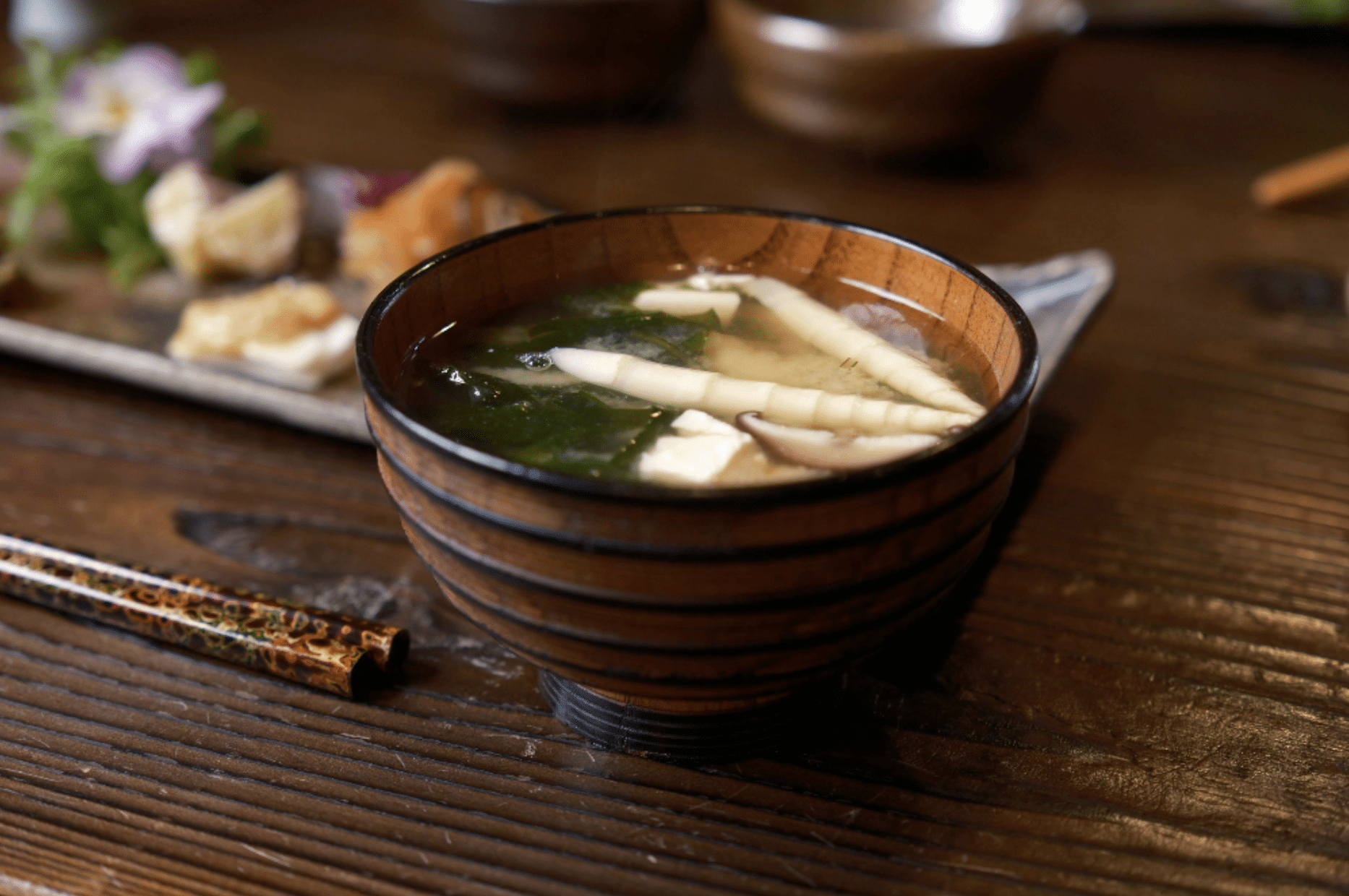
Bancha Miso Soup – Photo Credit: Seiya Maeda
Bancha stands out especially in stews and soups, particularly miso soup, complementing hearty ingredients like meat and root vegetables. You can use it to make broth or mix it directly into your dish. It also goes wonderfully with rice, adding a gentle tea flavor that elevates the meal. It’s no wonder that Bancha is a staple in Japanese kitchens, offering countless ways to enjoy its unique flavor.
One of its most notable qualities is that, while Bancha is considered an everyday tea often shared with family during meals, it also promotes overall well-being by aiding digestion. Who knew a humble cup of tea could be so versatile—good for your health and delicious in more than one way!
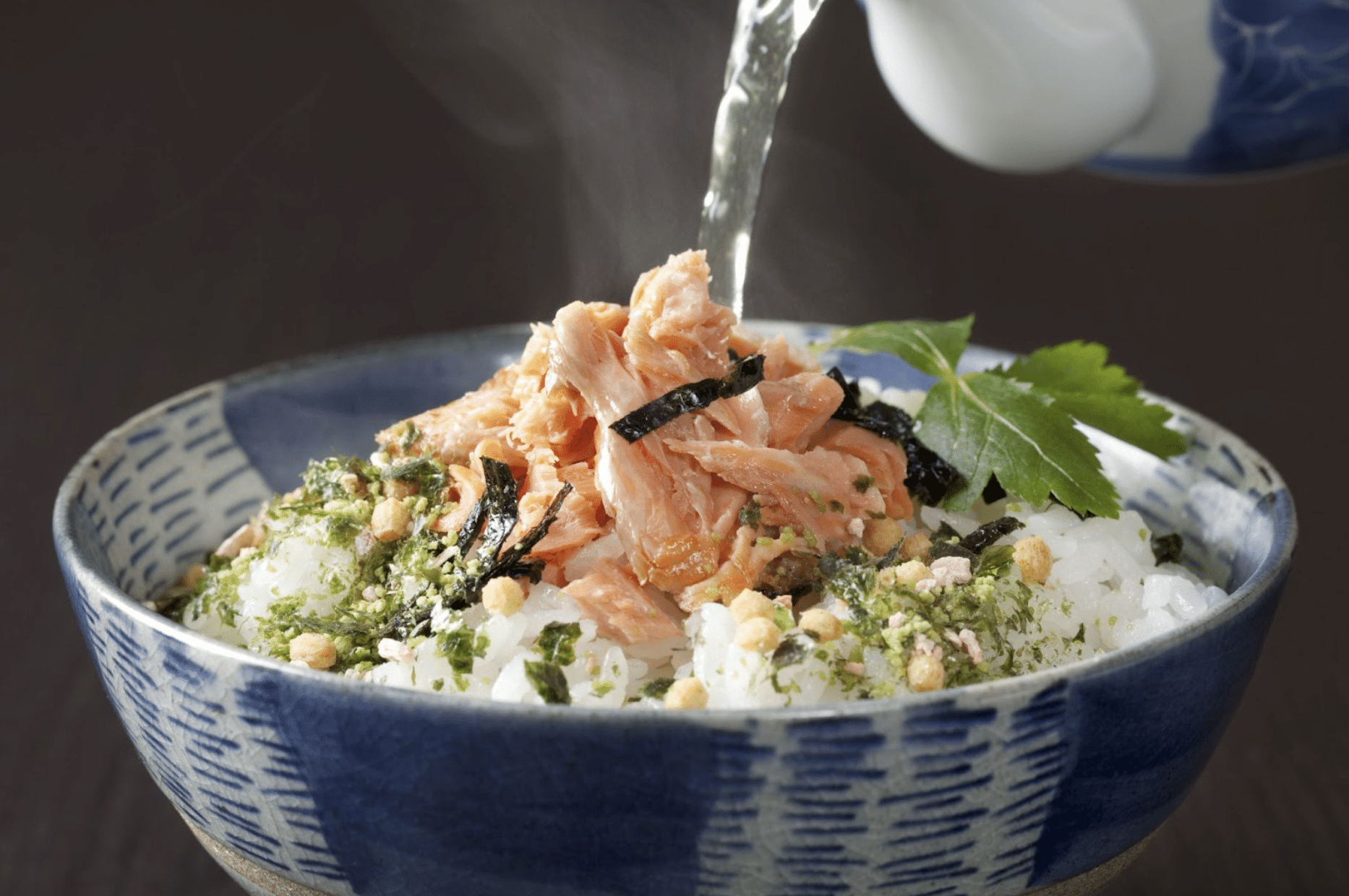
Salmon and Tea Rice Chazuke – Photo Credit: HikoPhotography
Chazuke
Chazuke is the ideal recipe if you’re searching for something easy yet comforting. It consists of a bowl of rice with your preferred toppings, including pickles, grilled fish, or in-season veggies. Chazuke is distinguished by the hot tea, usually hojicha or green tea, that is poured over the rice and toppings. This makes the dish a comfort food staple in many Japanese homes, which is both filling and healthy. As Chazuke is a dish where leftover rice is used, it beautifully reflects the Japanese value of making the most of every ingredient.
Now that you’re familiar with some of the traditional Japanese teas and their cultural significance, I hope your upcoming year begins with the lucky tea, bringing you all the luck to enjoy the warmth of other comforting varieteas! There is truly no end to the delicious adventures you can have with this natural treasure on your next trip to Japan. So make sure to come prepared, find your new favourite flavor, and maybe even take some home as an amazing souvenir!
Featured Photo Credit: JoshuaDaniel