Tokyo, Kyoto, and Osaka are amazing, no question about that. They’re vibrant, iconic, and packed with everything people imagine when they think of Japan, from neon-lit streets to historic temples and incredible food. But here’s the thing: Japan has so much more to offer beyond these big names. Step just a little off the usual path, and you’ll find a completely different side of the country: quieter, more local, and just as unforgettable. From coastal towns and mountain villages to regions rich in tradition and nature, these lesser-visited destinations don’t just match the classics… they often surprise you even more. Join us in today’s blog to discover these other wonderful options that are still waiting to be explored.
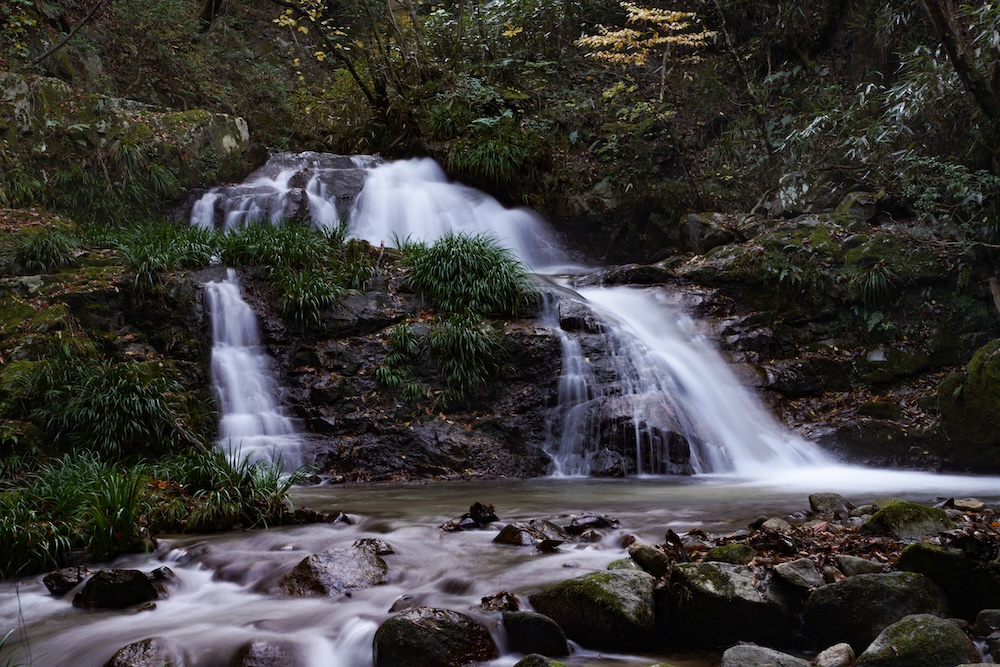
Kajikazawa Falls, Hitachiota city, Ibaraki – Photo Credit: yamasan0708
Ibaraki
Ibaraki is one of those places that quietly surprises you, in the best way. Just about an hour from Tokyo, it’s often overlooked, but there’s so much to explore once you get there. You’ve got beautiful spots like Kairakuen, one of Japan’s top three gardens and especially stunning during plum blossom season, and the dreamy landscapes of Hitachi Seaside Park, where seasonal flowers turn the hills into waves of blue in spring and deep red in autumn.
Further north, the coastline around Kita-Ibaraki offers dramatic ocean views and hidden shrines tucked into cliffs, while inland areas like Satomi show a slower, more traditional side of Japan with peaceful countryside and local charm. And if you’re in the mood for nature, Kajikazawa Falls is a quiet, scenic spot surrounded by greenery, perfect for a little reset.
Food-wise, Ibaraki is a treat. Fresh seafood comes straight from the Pacific, natto is a local specialty (and a must-try if you’re feeling adventurous), and the region is famous for its incredibly sweet melons. It’s all about simple, local flavors done really well.
If you’re curious to learn more about Ibaraki’s food, hidden gems, and what makes this underrated prefecture so special, make sure to check out our Ibaraki blog collection for extra inspiration.
And if you’d like to discover Ibaraki but prefer not to do it on your own, you can join the Ibaraki’s Hidden Treasure tour, a great way to explore the region through local experiences, culture, and hidden spots without the stress of planning.
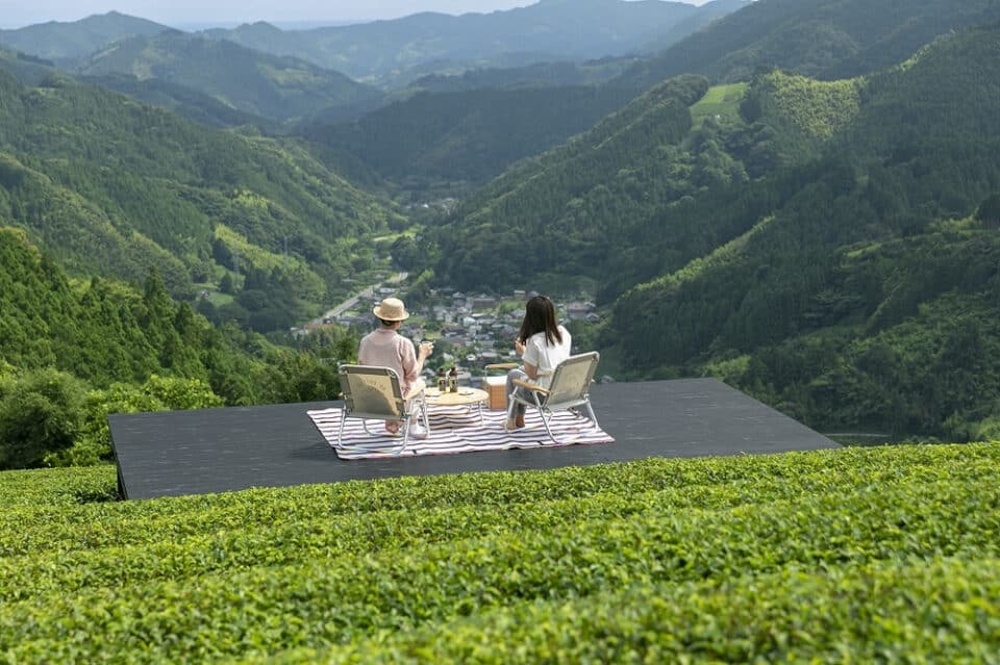
Tea Terrace – Photo Credit: Arigato Travel
Suruga
Suruga is one of those places that quietly wins you over. Tucked along the Shizuoka coastline with beautiful views of Mount Fuji on clear days, it’s all about slowing down and enjoying the moment. You can wander around Suruga Bay (Japan’s deepest!), explore charming port towns like Yaizu and Shimizu, or head to Miho no Matsubara for a sunrise that honestly feels unreal. If you’re in the mood to explore a bit more, places like Kunozan Toshogu Shrine (with its hillside views and ornate details) or Nihondaira offer some of the best panoramas in the region, while Shizuoka city blends culture, food, and easy access to nature.
Suruga is also a proper tea country, but not in a distant, “look but don’t touch” kind of way. Here, you can actually visit the farms, walk through valley fields and mountain terraces, and sit down with farmers who’ve been perfecting their teas for generations. Sipping tea while overlooking the very fields it comes from just hits differently. There’s a calm, mindful energy to it all that makes you want to slow down and stay a little longer.
And then there’s the food. Suruga’s coastline features seaside towns where seafood is as fresh as it gets: think melt-in-your-mouth tuna, those tiny pink sakura shrimp, and comforting bowls of Shizuoka oden. The whole food scene feels local, seasonal, and full of personality, thanks to the creativity of the chefs, farmers, and tea producers behind it.
If you don’t feel like planning everything yourself, Luxurious Suruga is an easy (and very enjoyable) way to experience it all: tea farms, local encounters, scenic spots, and incredible meals all wrapped into one. And if you’re after something more budget-friendly, the Discovering Suruga is a great option that still lets you dive into the region without missing the good stuff.
And if you want to know more about its history, food and what you can visit, click here.
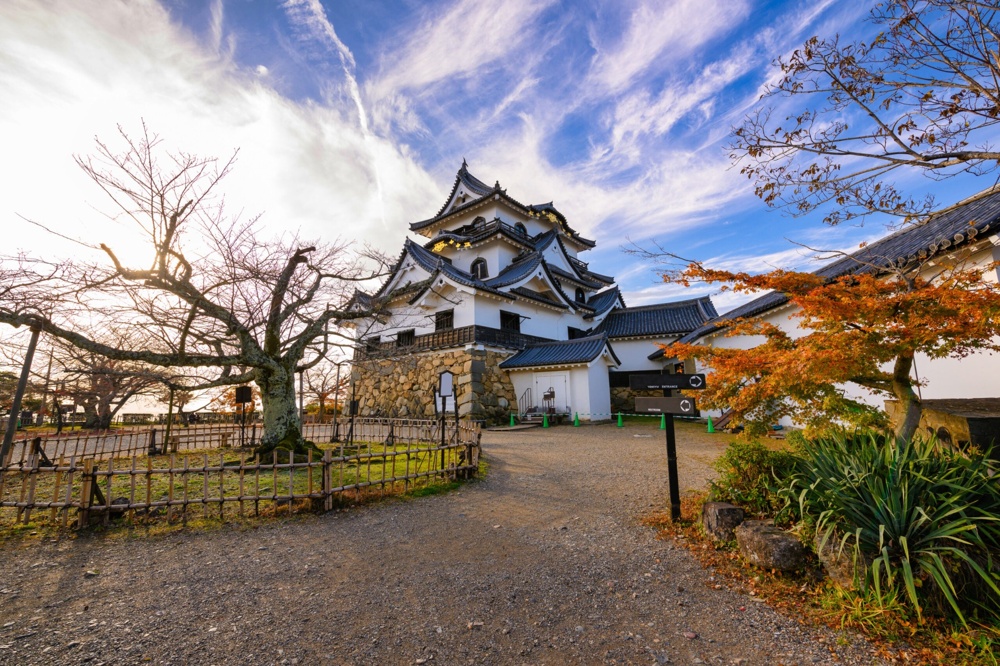
Hikone Castle – Photo Credit: Arigato Travel
Shiga
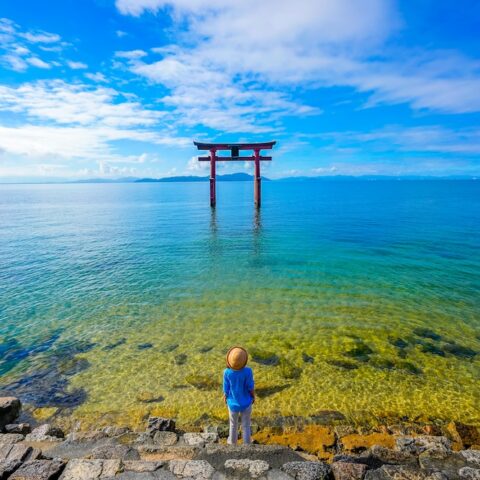
Shiga might not shout for attention like some of its neighbors, but that’s exactly why it steals your heart once you arrive. Centered around the serene beauty of Lake Biwa, Japan’s largest freshwater lake, this region is all about balance: nature, history, and culture blending effortlessly. Start with the iconic Hikone Castle, one of Japan’s few original castles, where you can step straight into samurai history, then wander the quiet temple paths of Enryaku-ji on Mount Hiei, a spiritual powerhouse overlooking the lake. If you’re in the mood for something slower, cycling along Lake Biwa’s shoreline or exploring charming lakeside towns is pure magic.
Food-wise, Shiga brings its own unique flavors to the table. Don’t miss Omi beef, one of Japan’s top wagyu varieties: rich, buttery, and unforgettable. Another must-eat is funazushi, a traditional fermented sushi that’s definitely an acquired taste (but a great story to tell!).
To truly dive into Shiga’s samurai roots and local culture, our Samurai Spirit of Shiga tour is an absolute must. It’s one of those experiences that brings history to life in a way guidebooks simply can’t. Still not convinced? Picture this: ninja training, kendo, and even a hands-on blacksmithing experience. That alone might just win you over.
And if you’re curious to explore even more hidden gems and stories from the region, make sure to check out any of our Shiga blog collections for extra inspiration and local insights.
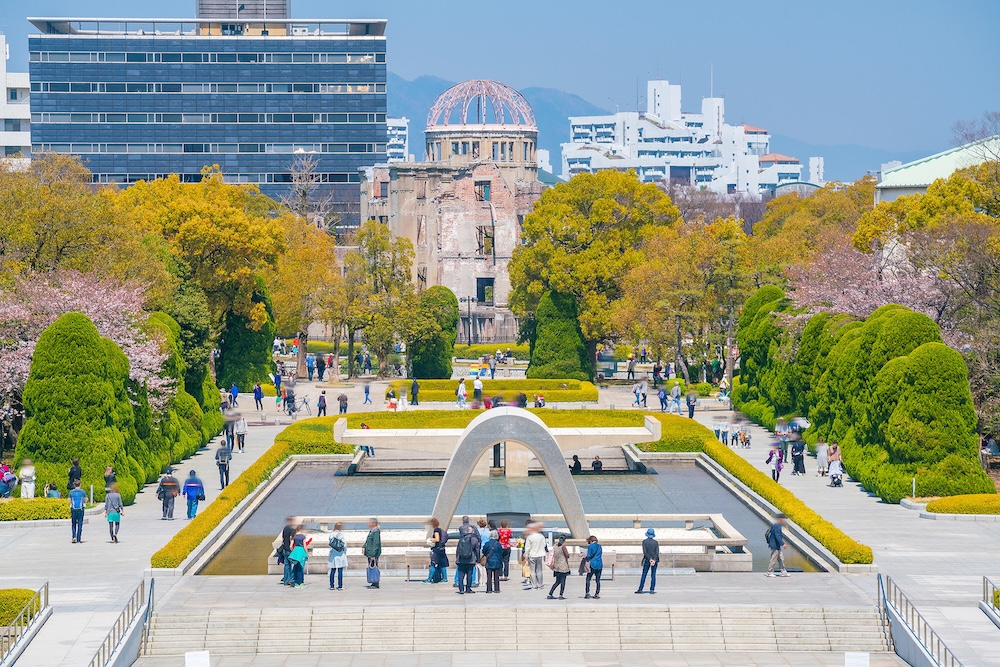
Hiroshima Peace Memorial Park – Photo Credit: f11photo
Hiroshima
Hiroshima is one of those places that stays with you long after you leave. It’s a city that beautifully balances its past with a vibrant, welcoming present, where peaceful spots like the Hiroshima Peace Memorial Park invite reflection, and lively streets filled with food and friendly locals remind you how full of life it truly is. Just a short trip away, Miyajima feels almost magical, with its iconic floating torii gate and relaxed island atmosphere that’s perfect for wandering at your own pace.
Food is a big part of the Hiroshima experience, too. From sizzling plates of Hiroshima-style okonomiyaki to fresh oysters from the Seto Inland Sea, every meal feels local, comforting, and packed with flavor. And if you’re curious to go deeper, the nearby sake town of Saijo is a must, home to historic breweries and some of Japan’s best sake.
If you want to experience Hiroshima beyond the surface, Arigato Travel makes it easy (and seriously enjoyable). The Sake Town Day Tour takes you to Saijo, where you can visit traditional breweries, learn about sake-making from experts, and of course, taste a variety of incredible local brews. Meanwhile, the Best of Hiroshima Tour is perfect if you want a well-rounded introduction, combining history, culture, and amazing food while exploring the city with a knowledgeable local guide who brings everything to life.
And if you’re still planning, definitely check out our Hiroshima blog guides, they’re full of tips, hidden gems, and ideas to help you experience the city like a local.
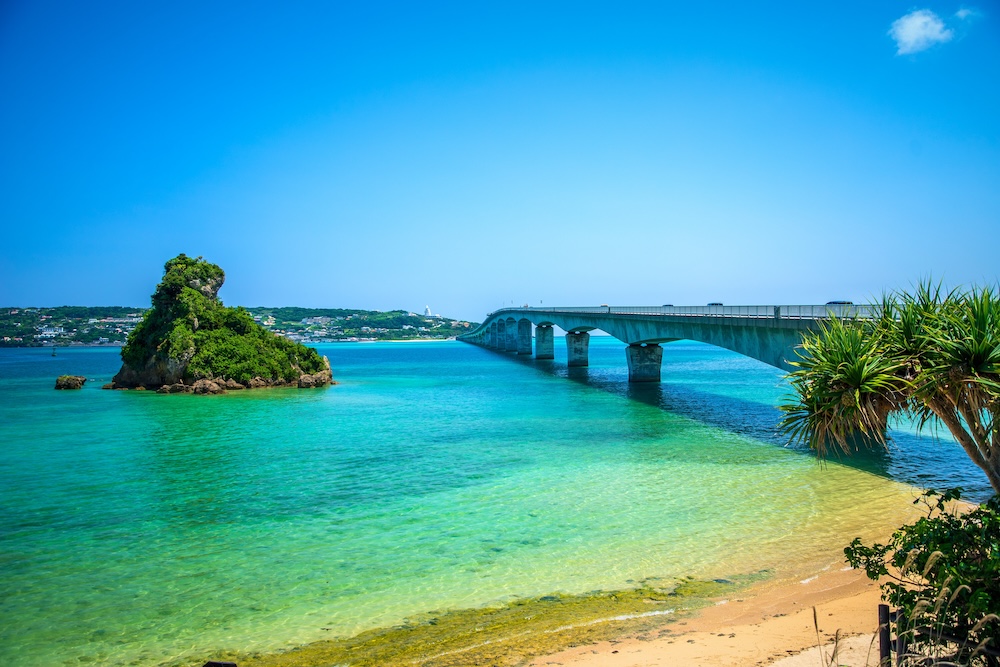
Kouri Bridge in Kouri Island, Okinawa – Photo Credit: Jujumin Chu
Okinawa
Okinawa feels like a completely different side of Japan, in the best way possible. Think crystal-clear water, white sandy beaches, and that laid-back island vibe that makes you instantly slow down. The main island is full of gems: you can explore the historic Shurijo Castle for a glimpse into the Ryukyu Kingdom, wander through the lively streets of Kokusai Street for shopping and street food, or head north to places like Okinawa Churaumi Aquarium, where massive whale sharks glide right past you. And if you’re chasing those postcard views, the beaches around the Kerama Islands or Cape Manzamo are just unreal.
Food in Okinawa is its own delicious world. It’s hearty, comforting, and a little different from what you’ll find on the mainland. You’ve got dishes like goya champuru (a stir-fry with bitter melon), Okinawa soba (thicker noodles in a rich broth), and melt-in-your-mouth pork dishes that locals swear by. And then there’s the fun stuff, taco rice (yes, really, and it works), fresh tropical fruits, and a glass of awamori, Okinawa’s signature spirit. It’s the kind of food scene that feels both homey and full of surprises.
But what really makes Okinawa special is the atmosphere. Life here moves slower, people are incredibly welcoming, and there’s a strong sense of culture and tradition woven into everything, from music and festivals to the colorful architecture and local markets. Whether you’re snorkeling in turquoise waters, exploring small islands, or just watching the sunset with the sound of waves in the background, Okinawa has a way of making you feel like you’ve truly escaped.
If you want to learn more about Okinawa, click here.
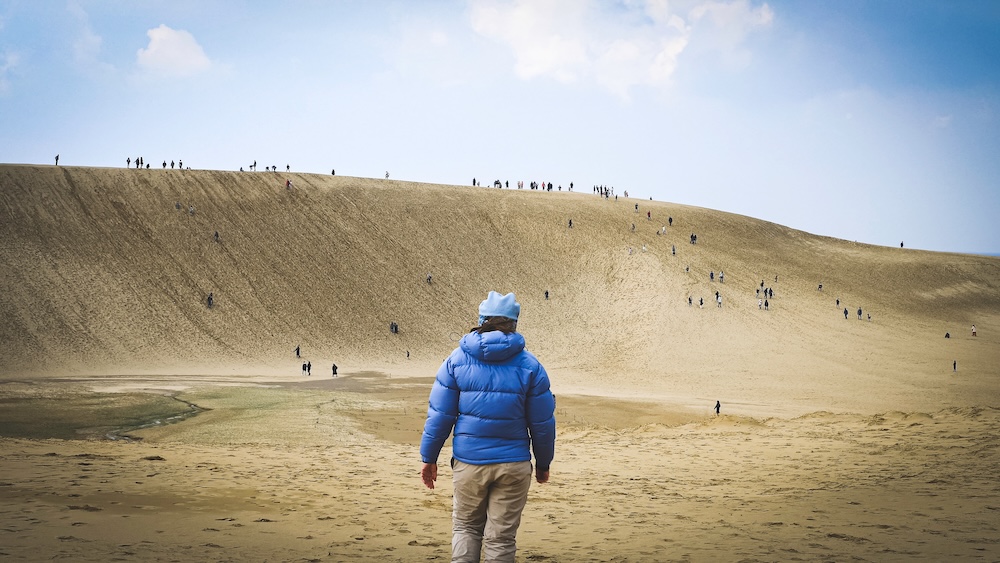
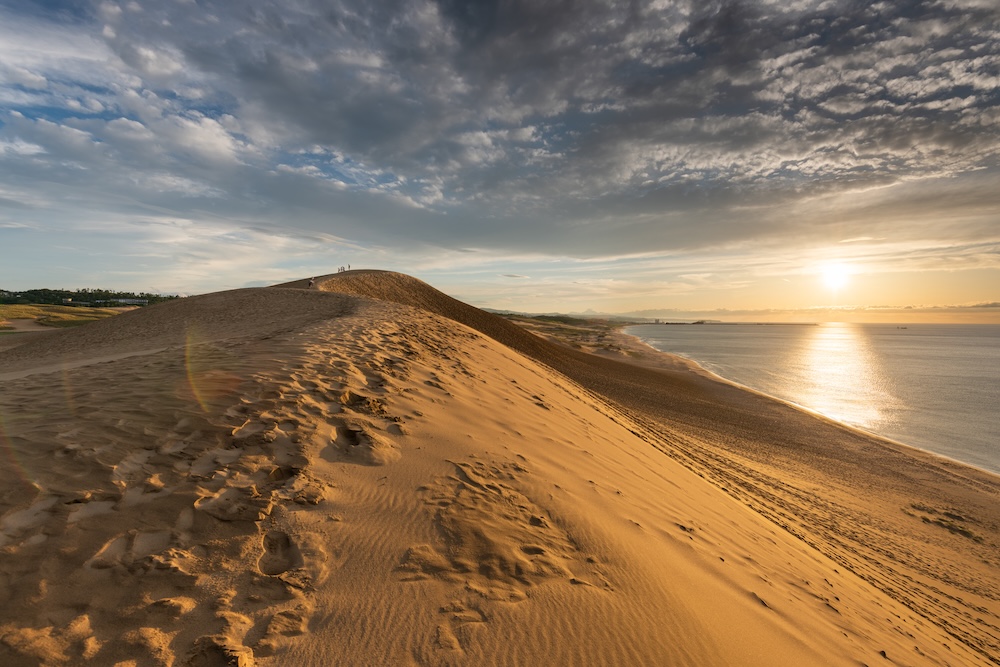
A tourist exploring the Tottori Sand Dunes – Photo Credit: Lee waranyu
Tottori
Tottori is one of Japan’s best-kept secrets, the kind of place that surprises you in the coolest way. It’s famous for the Tottori Sand Dunes, and honestly, they’re even more impressive in person. Rolling hills of sand right next to the sea? It feels more like a desert adventure than something you’d expect in Japan. You can walk, sandboard, or just take in the views as the dunes shift with the wind, it’s simple, but unforgettable.
But there’s way more to Tottori than sand. The coastline is stunning, with rugged cliffs and scenic spots like Uradome Coast, perfect for boat rides or coastal hikes. If you’re into quirky stops, the Mizuki Shigeru Road is lined with fun yokai (Japanese folklore creatures) statues, giving the whole town a playful, slightly magical feel. And for something peaceful, Hakuto Shrine, linked to a famous Japanese myth, is a lovely spot surrounded by nature.
Food-wise, Tottori punches way above its weight. This is the place for incredibly fresh seafood (especially crab in winter), sweet and juicy pears, and delicious ramen. Meals here feel local, seasonal, and super satisfying: no fuss, just really good ingredients done right. If you wanna know which 5 foods you must try, click here.
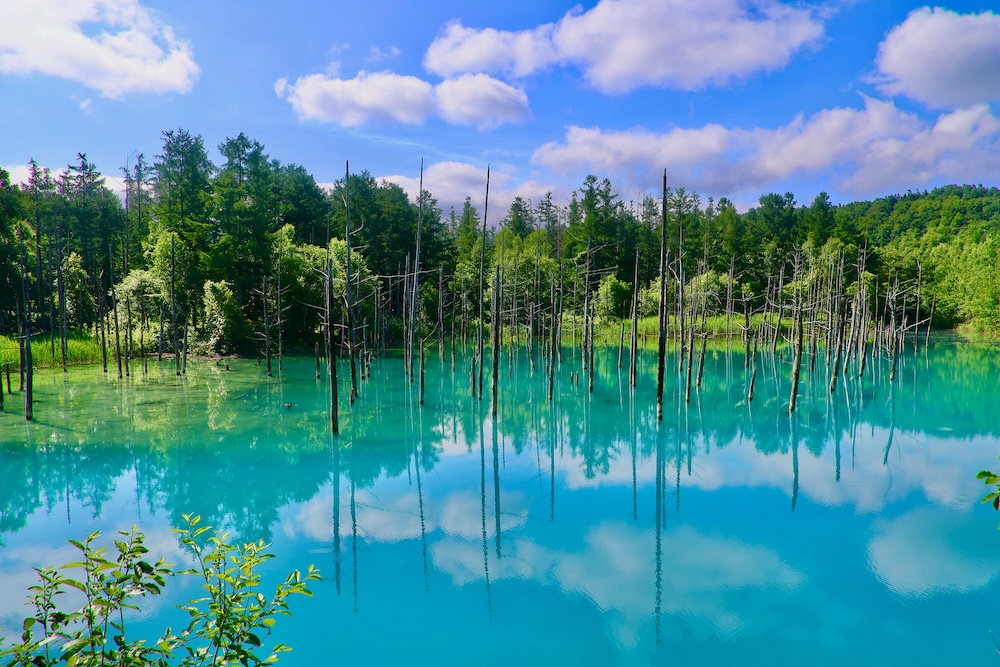
Shirogane Blue Pond – Photo Credit: Musashi2001
Hokkaido
Hokkaido is where Japan feels bigger, wilder, and a little more relaxed, in the best way. It’s all wide-open landscapes, fresh air, and nature that completely changes with the seasons. In winter, powder snow takes over spots like Niseko, while summer brings colorful flower fields in Furano and lavender views that look straight out of a postcard. In Sapporo, you get a fun mix of city life, great food, and easy access to the outdoors, but there’s so much more to explore beyond that.
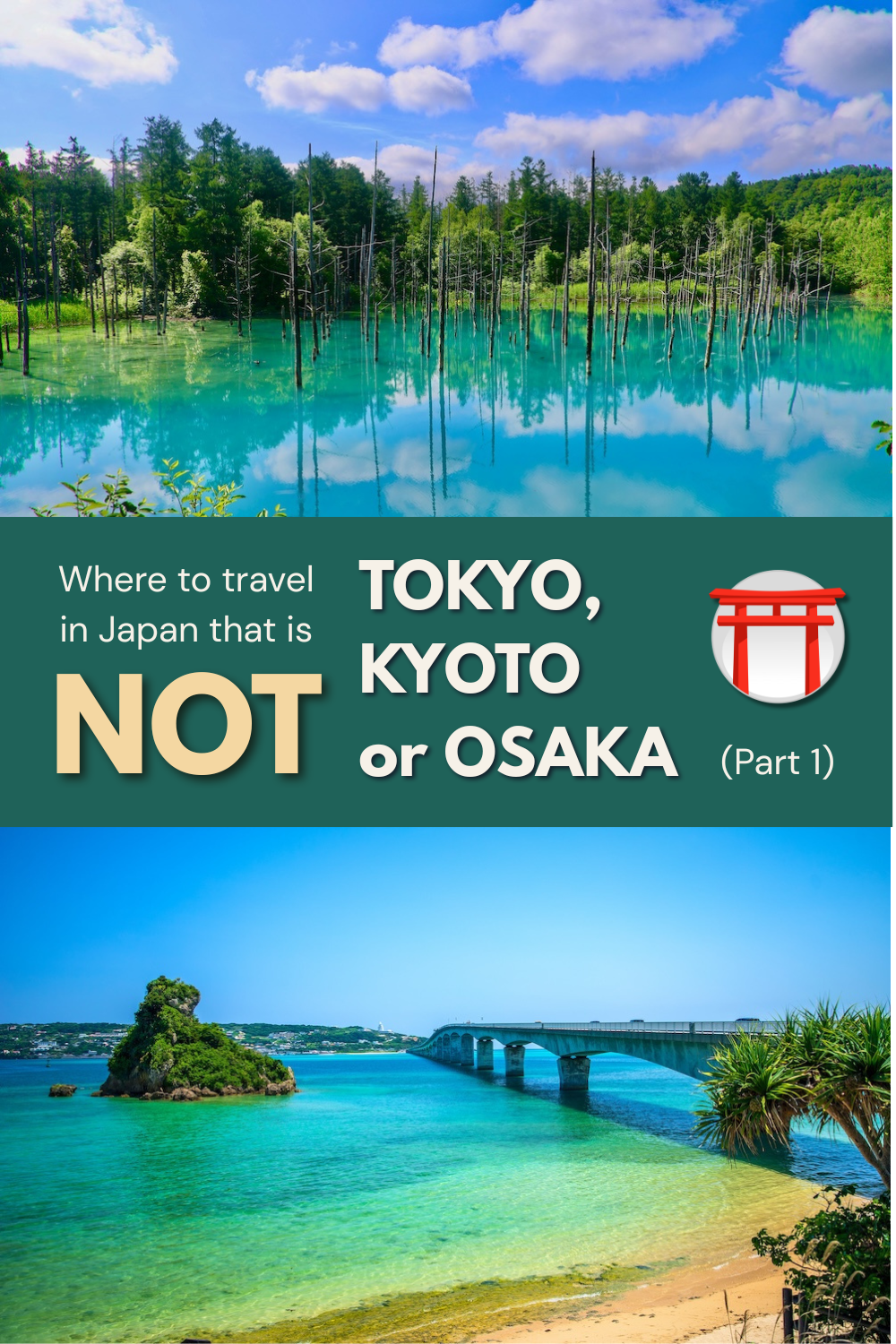
Head to Otaru Canal for charming streets and romantic waterfront views, especially in the evening. Nature lovers shouldn’t miss Shiretoko National Park, one of Japan’s most untouched and wild regions, or Lake Toya, where you can relax by the water or soak in an onsen with incredible views. And if you want something truly unique, Shirogane Blue Pond is just as surreal as it sounds, with its bright blue water and dreamy atmosphere.
Speaking of food… Hokkaido is that place for food lovers. Everything just tastes better here. Rich miso ramen, super fresh seafood like crab and uni, creamy dairy products, and local specialties like soup curry and grilled lamb, it’s comforting, hearty, and full of flavor. If you’re wondering where to even start, this blog on five must-try foods in Hokkaido is a great little guide to the region’s highlights and what you absolutely shouldn’t miss.
Japan’s magic isn’t limited to its most famous cities, it’s everywhere, waiting to be discovered. So if you have the time, go beyond the usual stops, explore a little deeper, and let yourself be surprised. Some of the best travel moments happen where you least expect them.
Featured Photo Credit: Sean Pavone
Ready to explore Japan beyond the famous crowds of Tokyo and Osaka? Head over to our website to book immersive regional tours for places like Hiroshima, or dive into our Ibaraki, Shiga, and Suruga curated pages for the ultimate local travel inspiration for your own custom itinerary.
PIN THIS FOR LATER