While most summer festivals in Japan are lively, colorful, and full of noise, such as fireworks or rambunctious conversations, not all of them hold these same sentiments and festivities. Every September in Nara, a summer festival takes place across the Sarusawa Lake to appease the spirit of the court lady, or Uneme in Japanese, who drowned in the lake. An annual festival consisting of lanterns and boats floating on the water’s surface, along with a parade, takes place. The stillness of the lake, combined with the soft glow of lantern light, creates a calm and reflective atmosphere that contrasts greatly with more energetic festivals.
Enhancing this mood is the presence of gagaku, the traditional court music of Japan. With its slow tempo and delicate, airy tones, this ancient style of music was once performed for the Imperial Court and helps shape the quiet, almost dreamlike rhythm of the evening. As you take in the scene, you may notice how the music seems to guide the movement of the boats and the overall pace of the festival. Rather than energizing the crowd, it encourages quiet observation and allows you to fully absorb the emotional depth of the experience. Considered one of Nara’s most visually pleasing festivals despite its somber meaning, this is a stunning and unique event that you should consider attending during your summer trip.
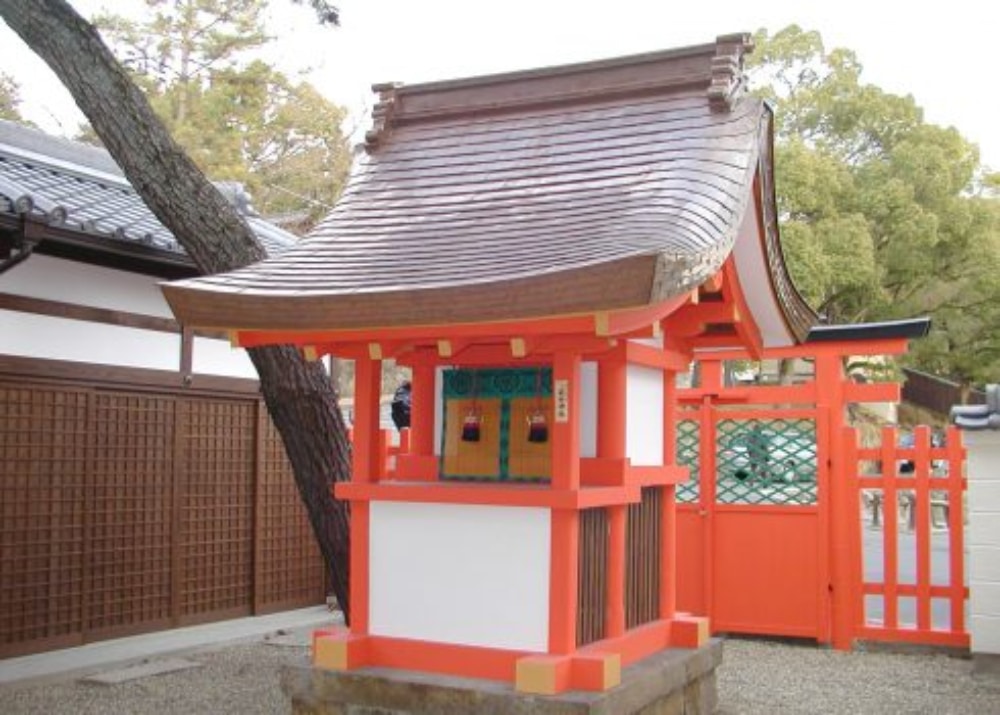
Uneme Shrine – Photo Credit: narashikanko
Legend of Uneme
The story of Uneme originates from the “Yamato Monogatari” legend, which consisted of a woman helping to serve the Imperial Court. During her time serving the Emperor, the two fell in love, though it was short-lived. Once he had fallen out of love with Uneme and sought out other women, this drove the court woman to grief so severe that she drowned herself in Sarusawa Lake. Stories like this were often passed down through literature and oral tradition, which is why Uneme’s tale continues to be remembered today.
To appease her spirit, a shrine was put in place in the northwest area of the lake, known today as Uneme Shrine, and the Uneme Festival began as an annual event. The shrine itself remains a quiet place where visitors can pay their respects outside of the festival period as well. Over time, an interesting urban legend began to form that the shrine was said to have turned around to face away from the lake overnight, as Uneme’s spirit couldn’t bear to face where she had lost her life. This story adds a slightly mysterious element to the festival and continues to intrigue visitors and locals alike.
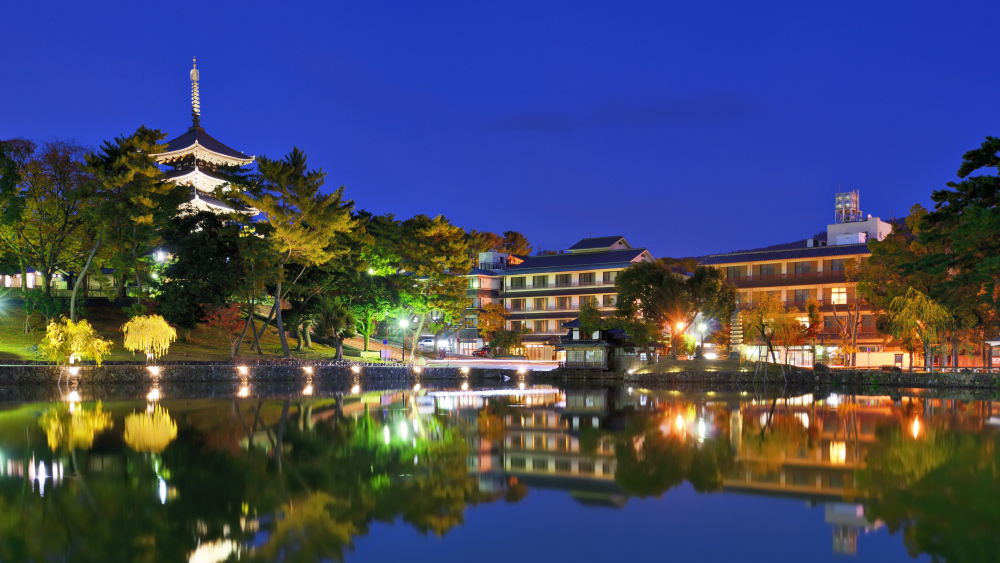
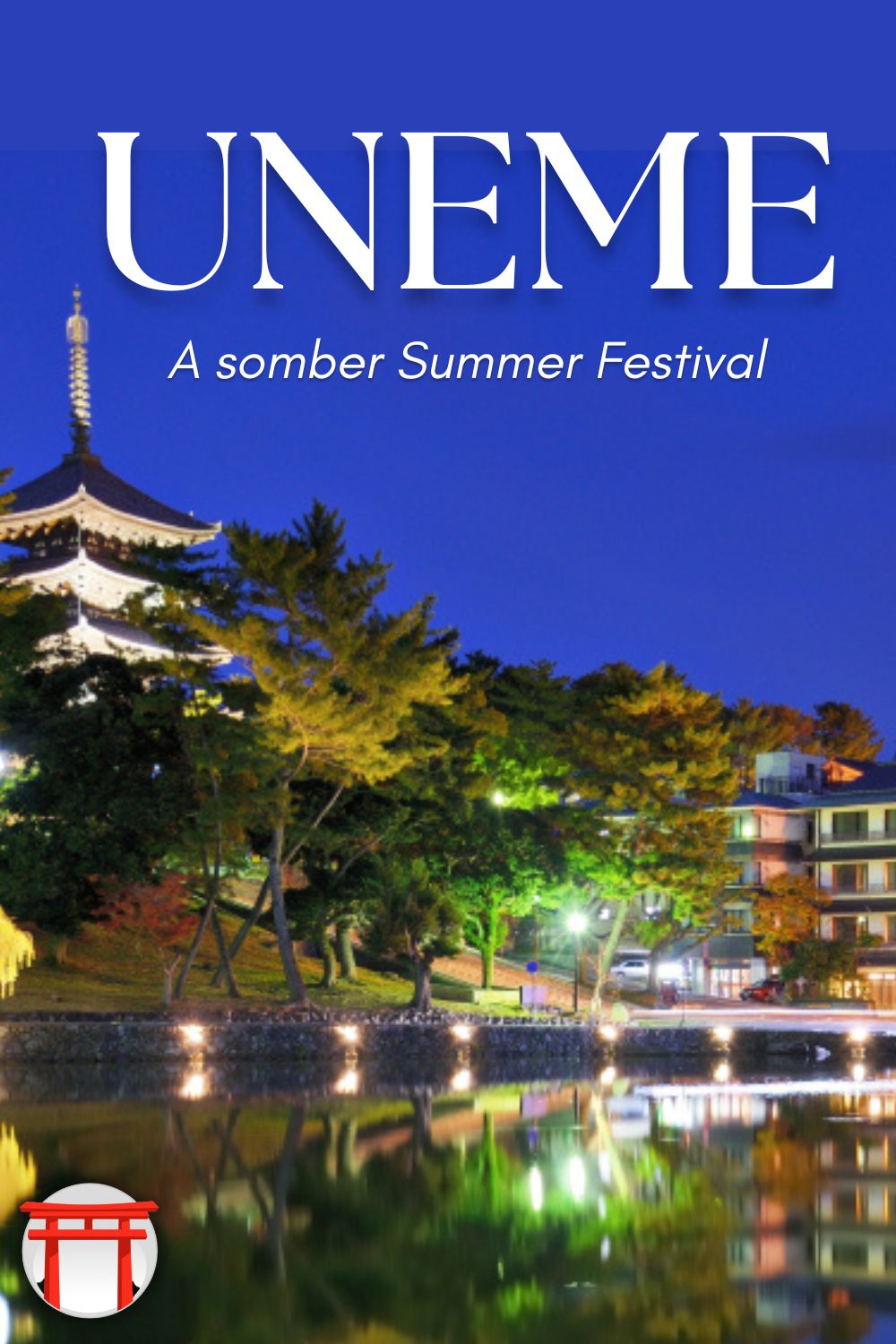
Sarusawa Lake Illuminated at Night in Nara, Japan – Photo Credit: Sean Pavone
When and Where is the Uneme Festival Held?
Every year, this festival is held in Nara City during the harvest moon in September, a time traditionally associated with appreciating the beauty of the moon and the changing of the seasons in Japan. The timing of the festival adds another layer of atmosphere, as the moonlight reflects alongside the lanterns on the lake’s surface.
The festivities begin around 5:00 PM, when a costumed procession departs from JR Nara Station and makes its way toward Sarusawa Lake. Participants dressed in historical attire help recreate the atmosphere of the ancient court. By early evening, a memorial ceremony is held at Uneme Shrine, where offerings are made. As night falls around 7:00 PM, the main highlight begins, the illuminated boat procession across the lake. The reflection of lanterns on the water creates a calm and almost dreamlike scene.
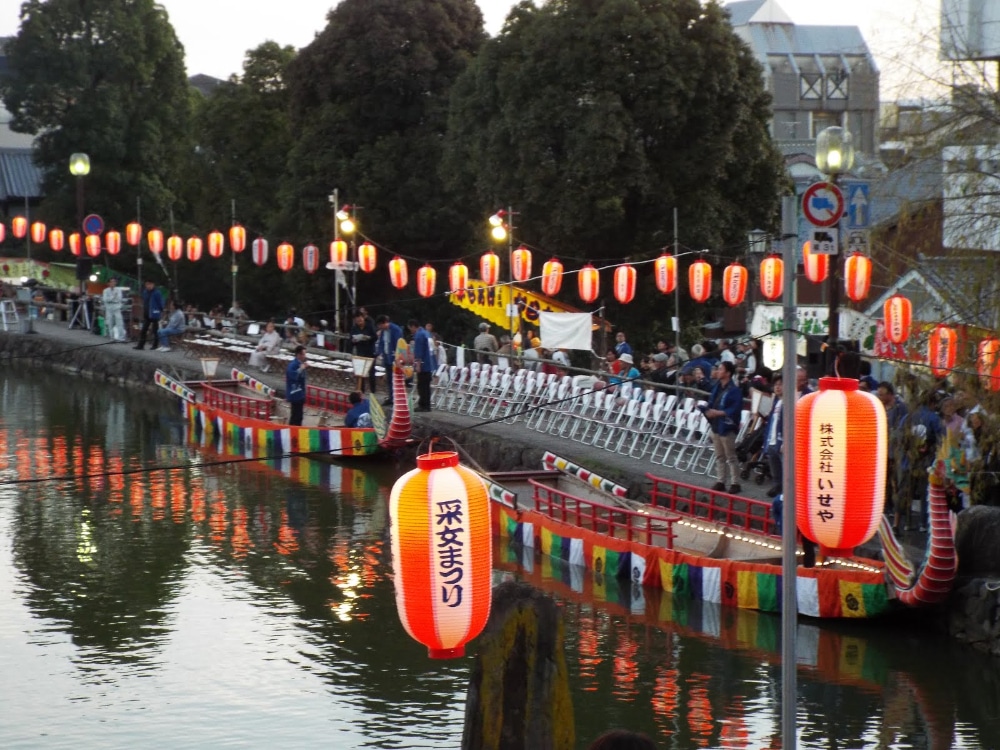
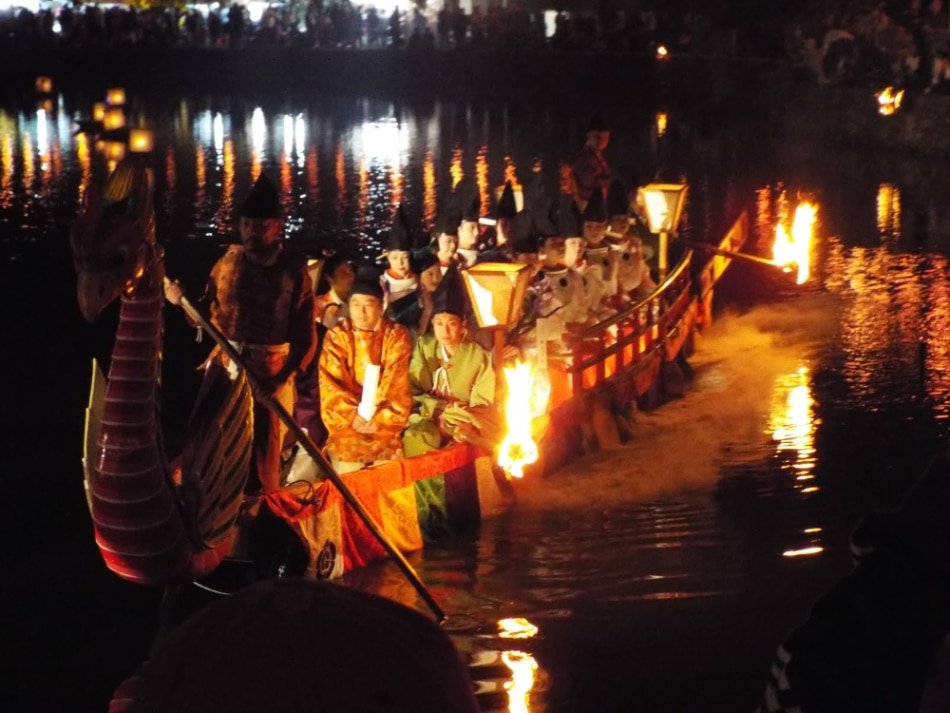
Boats and Lanterns at the Uneme Festival – Photo Credit: Kansaiculture
Festivities of the Uneme Festival
Alongside lanterns, heavily decorated boats wade through Sarusawa Lake to celebrate Uneme. You may see boats having their sides adorned with typical colors you can find on shrine banners, such as purple, red, yellow, green, and white, and cornered with lanterns. These boats also come in different shapes, with phoenix and dragon-headed boats. The craftsmanship and attention to detail on each boat highlight the care that goes into preparing for this annual event.
If you attend, you may hear traditional Japanese court music called gagaku. This style of music has been performed for centuries and is closely tied to the Imperial Court, which further connects the festival to Uneme’s story. All of these activities are done to help soothe the ghost of Uneme, who is said to remain in the area. Another thing you can also find are traditional festival food and game stalls around the pond. Popular snacks such as grilled skewers, sweet treats, and refreshing drinks are commonly available, allowing visitors to enjoy a light festival atmosphere before or after the main ceremony.
If you take a closer look, you will notice that there are women aboard the boat. These women, referred to as Ms. Nara and Ms. Uneme, are the respective beauty queens from both Nara and Yamatokoriyama City, which is where Uneme’s spirit was said to have been spotted, thus making it a sister city. Their presence adds a ceremonial and symbolic role to the procession, representing both the past and present communities connected to the legend.
After the parade finishes with offerings made to the deity at the shrine, these two women come aboard and are rowed around the lake two times. Once the hanaougi, a large decorative flower fan display, is also brought aboard, it is sent to float onto the lake. As it drifts away, it symbolizes a final offering to Uneme’s spirit, and the festival gradually comes to a close in a quiet and respectful manner.
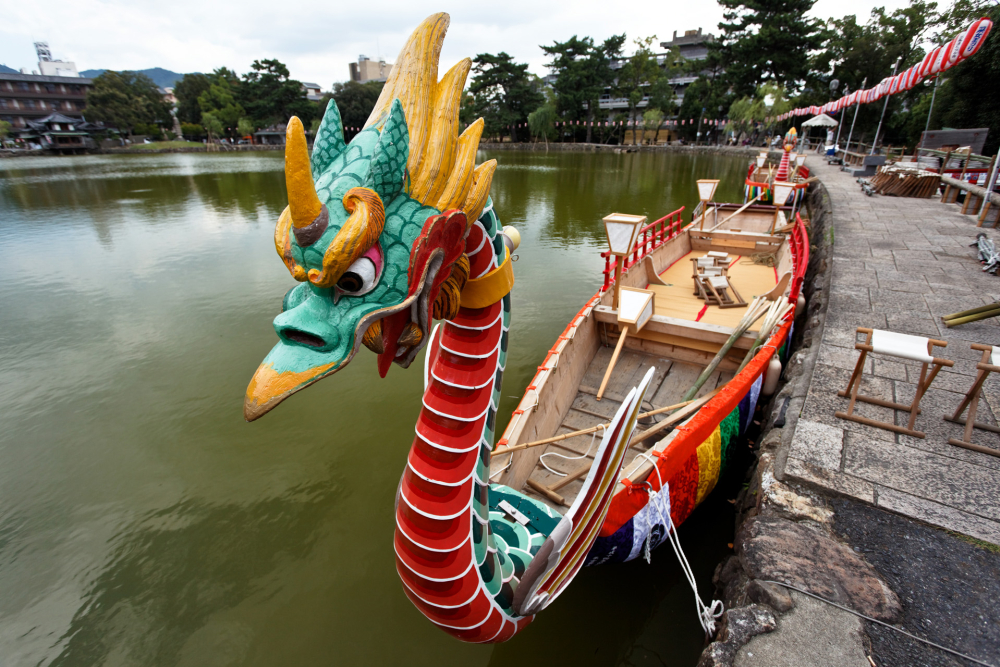
Dragon Boat, or Ryutosen, at Uneme Festival – Photo Credit: s.yume
Local Etiquette and What to Expect
While the Uneme Festival is open to visitors, it maintains a strong sense of tradition and respect. As you attend, you will notice that the crowd tends to remain relatively quiet, especially during the memorial portions of the event. Following this unspoken rule helps preserve the solemn tone that defines the festival.
It is also a good idea to be mindful of your surroundings. Avoid blocking pathways, be considerate when taking photos, and follow any guidance provided by staff or signage. Small actions like these help ensure that both locals and visitors can enjoy the event comfortably.
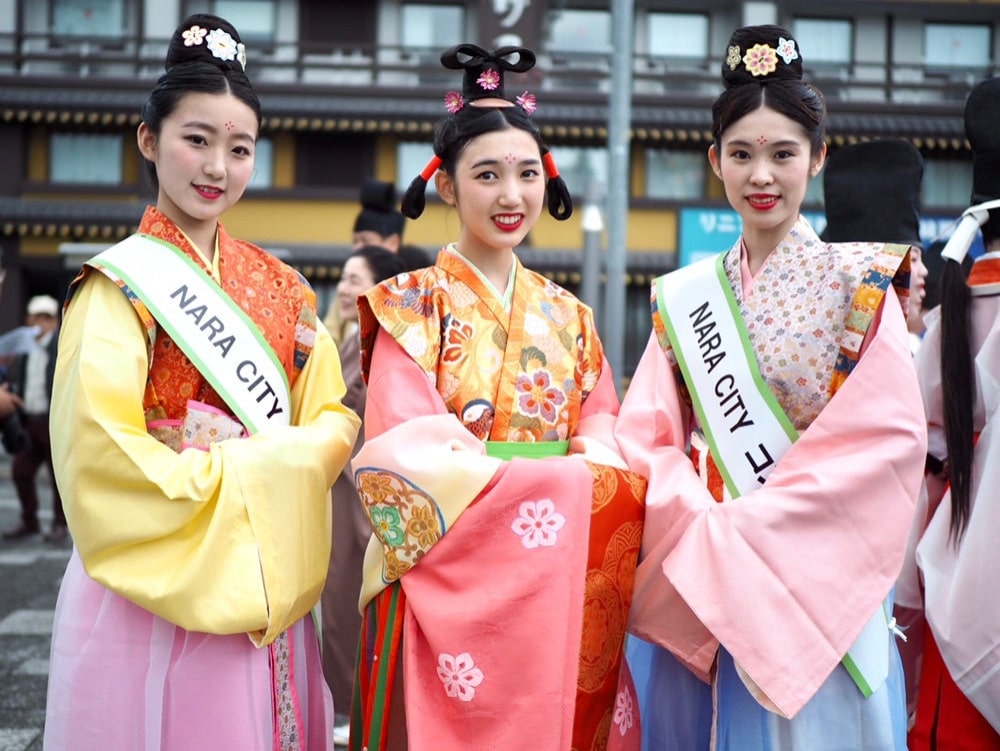
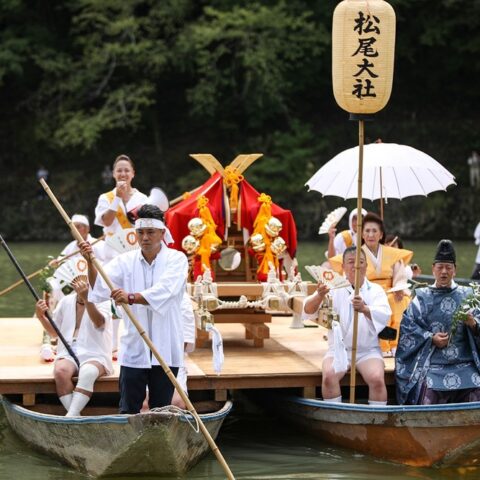
Costumed Women for the Uneme Festival Procession – Photo Credit: ameblo
A Bittersweet Festival You Can Experience in Japan
What makes the Uneme Festival especially meaningful is not only its visual beauty but also its connection to broader Japanese cultural values. The festival reflects a deep respect for spirits and ancestors, along with the idea that emotions and memories can remain tied to a place over time. This blending of beauty and remembrance creates an experience that feels both visually striking and emotionally significant. Unlike more widely known festivals that attract large crowds and high-energy celebrations, the Uneme Festival offers a more intimate atmosphere. The calm setting allows you to slow down and take in the experience in a more thoughtful way, making it easier to reflect on the story behind the traditions.
In a country filled with large-scale festivals, smaller events like the Uneme Festival offer something more personal. These festivals are often deeply rooted in local history and supported by the surrounding community, which helps preserve traditions in a more authentic way. As a visitor, this creates a rare opportunity to feel connected to the place rather than simply observing it. The experience becomes less about spectacle and more about understanding the story and people behind it.
Attending the Uneme Festival offers more than just a chance to witness a unique event. It allows you to better understand the lives and stories connected to the place, as well as how communities continue to honor them today. If you plan to attend, take your time to walk around the lake, observe the details of the ceremony, and reflect on its meaning. Experiencing the festival in this way will give you a deeper appreciation for both its beauty and its cultural significance.
Featured Photo Credit: kansaiculture
If you’ll be in the Kansai region, check out our food tours in Kyoto or Osaka to explore Japanese cuisine with a local.
PIN THIS FOR LATER