Located just over half an hour’s train ride south of Kyoto Station, Uji (宇治) is a small city in Kyoto Prefecture, well-known for its temples and matcha. If you’ve ever gone shopping for matcha products in Japan, you may have seen labels that read 宇治抹茶 (Uji matcha) instead of just 抹茶 (matcha). While it is certainly the main association that people have with Uji, the city has much more to offer, from activities that offer insights into Japanese culture to a deep and varied history. In this article, we will dive into the wider scope of attractions, activities and edibles that you can enjoy during a visit to Uji!
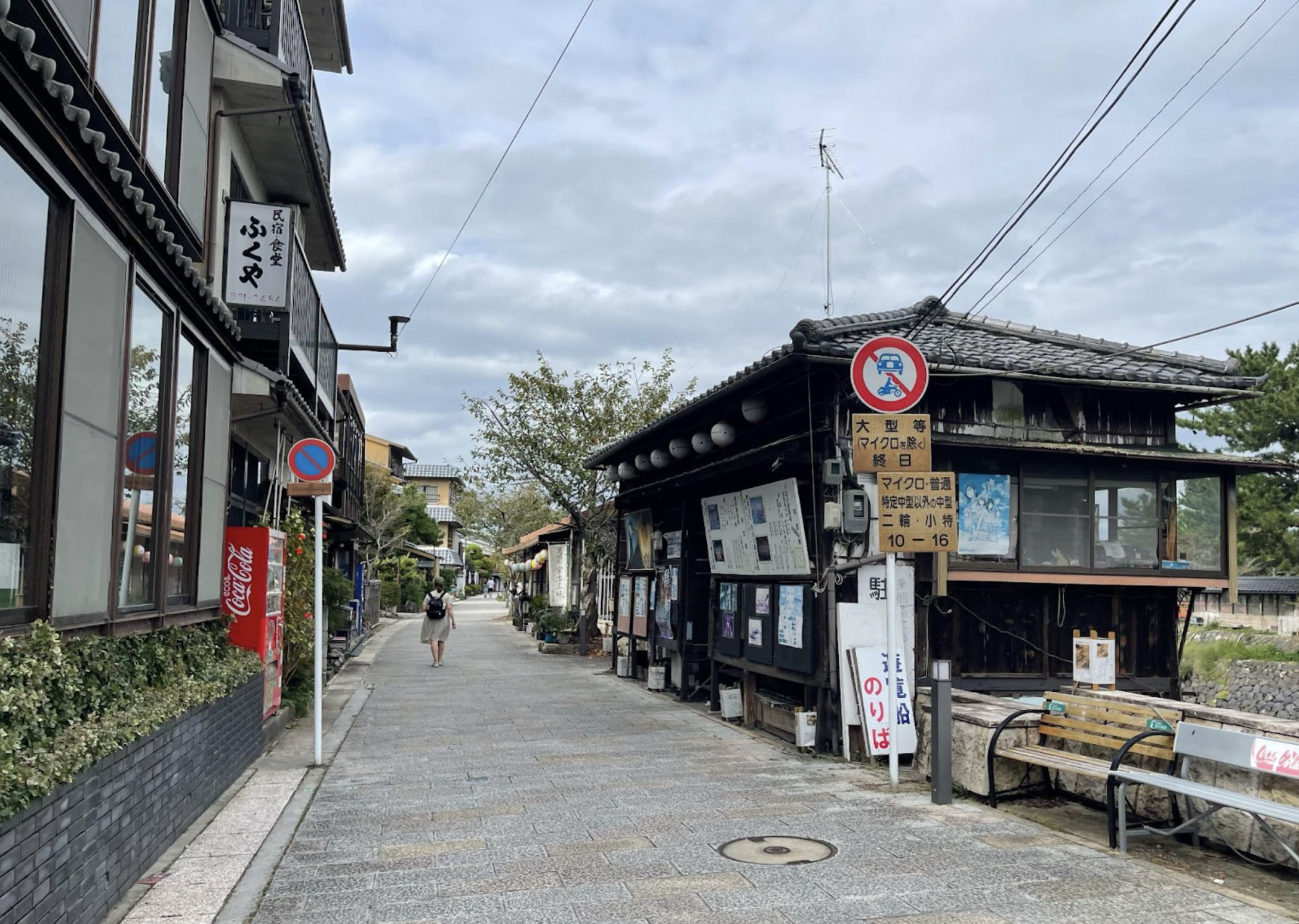
Little streets in Uji – Photo Credit: Jessica Iragne
History of Uji
For more than a millennium, Uji has held significant importance in Japan, serving as a battlefield in some centuries and a cultural capital in others. Uji’s significance dates all the way back to the Heian period (794 to 1185AD), in which it was a retreat location for the Imperial court and other wealthy individuals, with many of these buildings from the time still standing to this day. By the early 11th century, Uji became immortalised in Japanese literature when the city was featured in the final segment of one of Japan’s most famous novels.
The area’s association with tea is believed to originate from the Kamakura period (13th century), becoming a popular tea farming site thanks to its soil quality. As tea drinking became more customary in the following century, Uji-sourced tea became considered as a first-class gift, with the city’s association with tea only growing going into the Edo period (1603-1868), an era which saw the development of the traditional sado (tea ceremony). The Edo period also marked the construction of two of Uji’s most famous temples, Manpuku-ji and Kousho-ji.
It is an area steeped in history and cultural significance, with plenty of this influence being evident in the sights and attractions you can find across the city today.
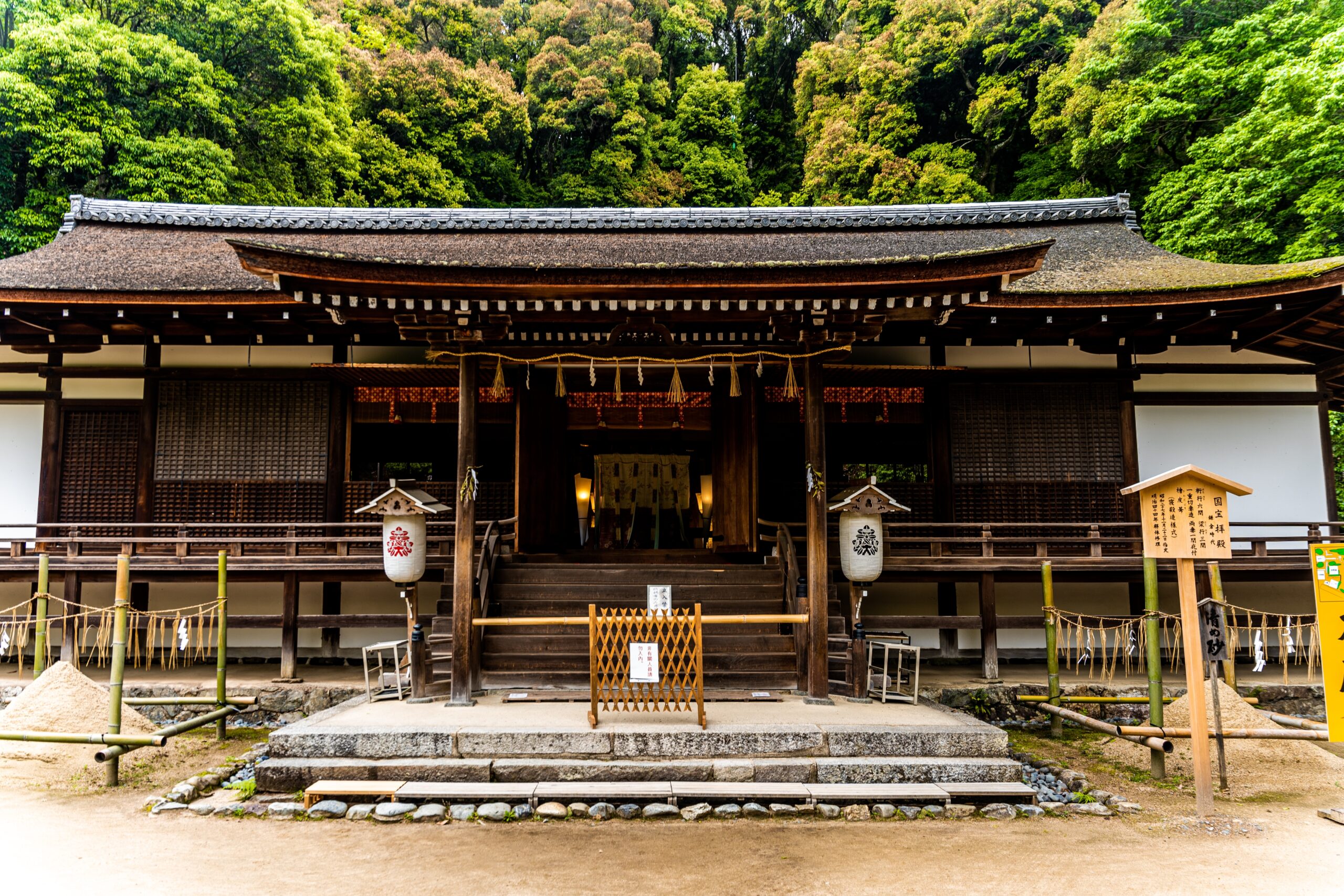
Main hall of Ujigami Shrine – Photo Credit: Alex_Mastro
Things to see
Ujigami Shrine
Believed to be the oldest shrine in all of Japan, Ujigami Shrine is estimated to have been constructed around 1060. A UNESCO World Heritage Site since 1994, this shrine is an underrated but beautiful demonstration of traditional Shinto architecture. People looking for a culturally significant souvenir might want to buy a small rabbit figurine or omikuji from the shrine; the significance of the rabbits, not just to the shrine but to Uji itself, originates from the legend of the “looking-back rabbit,” an old folk tale about a rabbit guiding the prince Wakiiratsuko back to town after he loses his way.
Address: 〒611-0021 Kyoto, Uji, Yamada−59
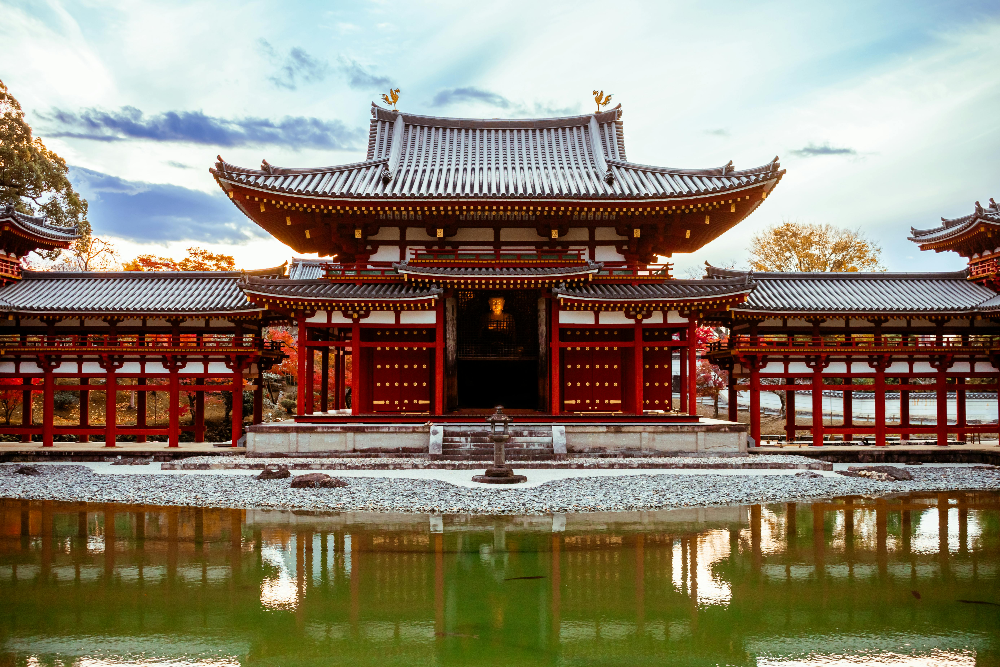
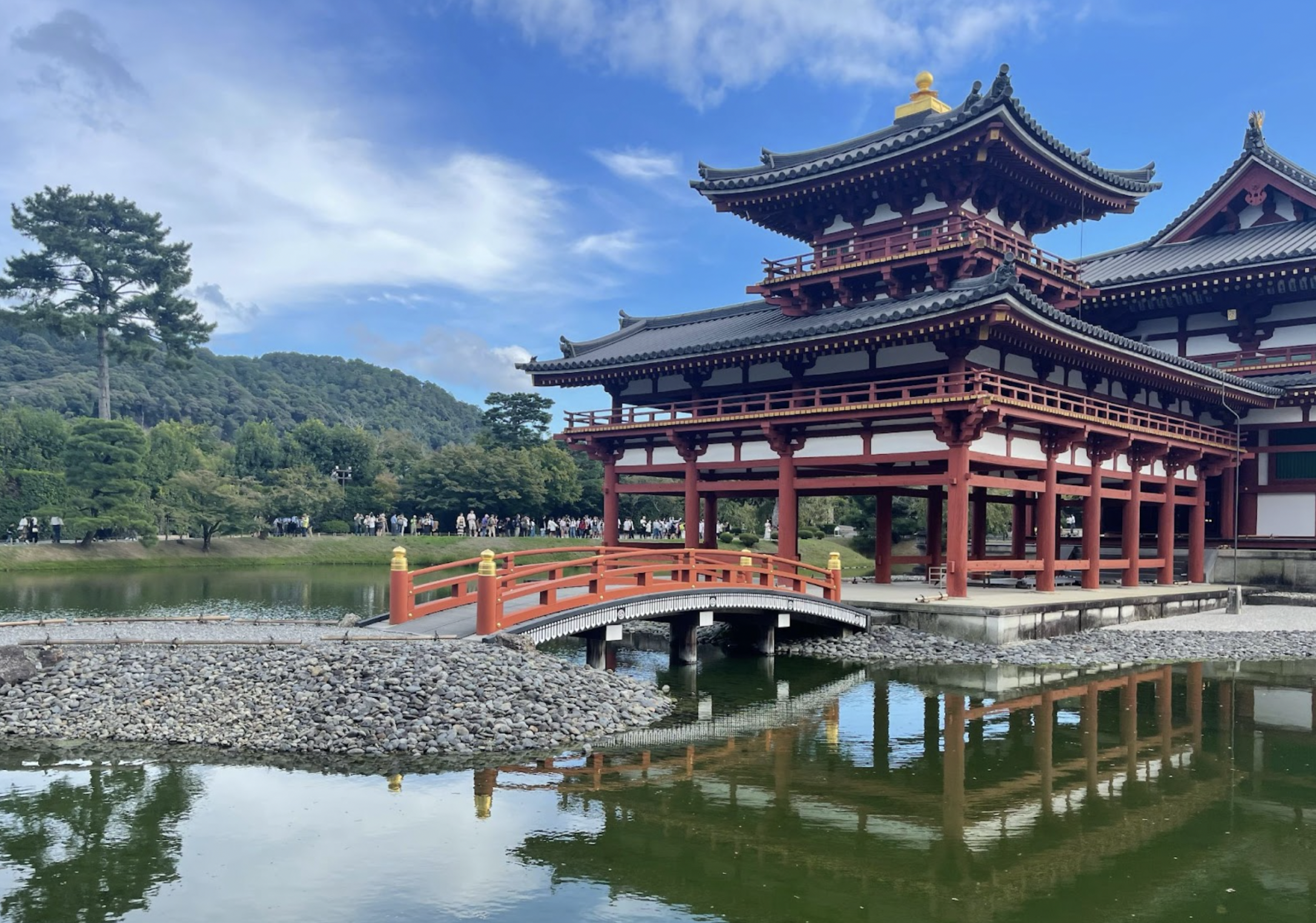
Byodo-in Temple’s Phoenix Hall – Photo Credit: Nuria Tellez on Pexels
Byodo-in Temple
Originally built for the Fujiwara clan, the most politically dominant family during the Heian period, Byodo-in is the oldest landmark in Uji, which you might be able to recognise from the 10-yen coin. Specifically, the building represented on the coin is called Phoenix Hall. While many other parts of the temple grounds have been lost to fires over time, Phoenix Hall has stood untouched, remaining one of the very few structures that have survived since the Heian period. In addition to the variety of Heian cultural properties, the grounds also have an underground treasure house, underground so as not to distract from the Phoenix Hall.
Address: Renge-116 Uji, Kyoto 611-0021
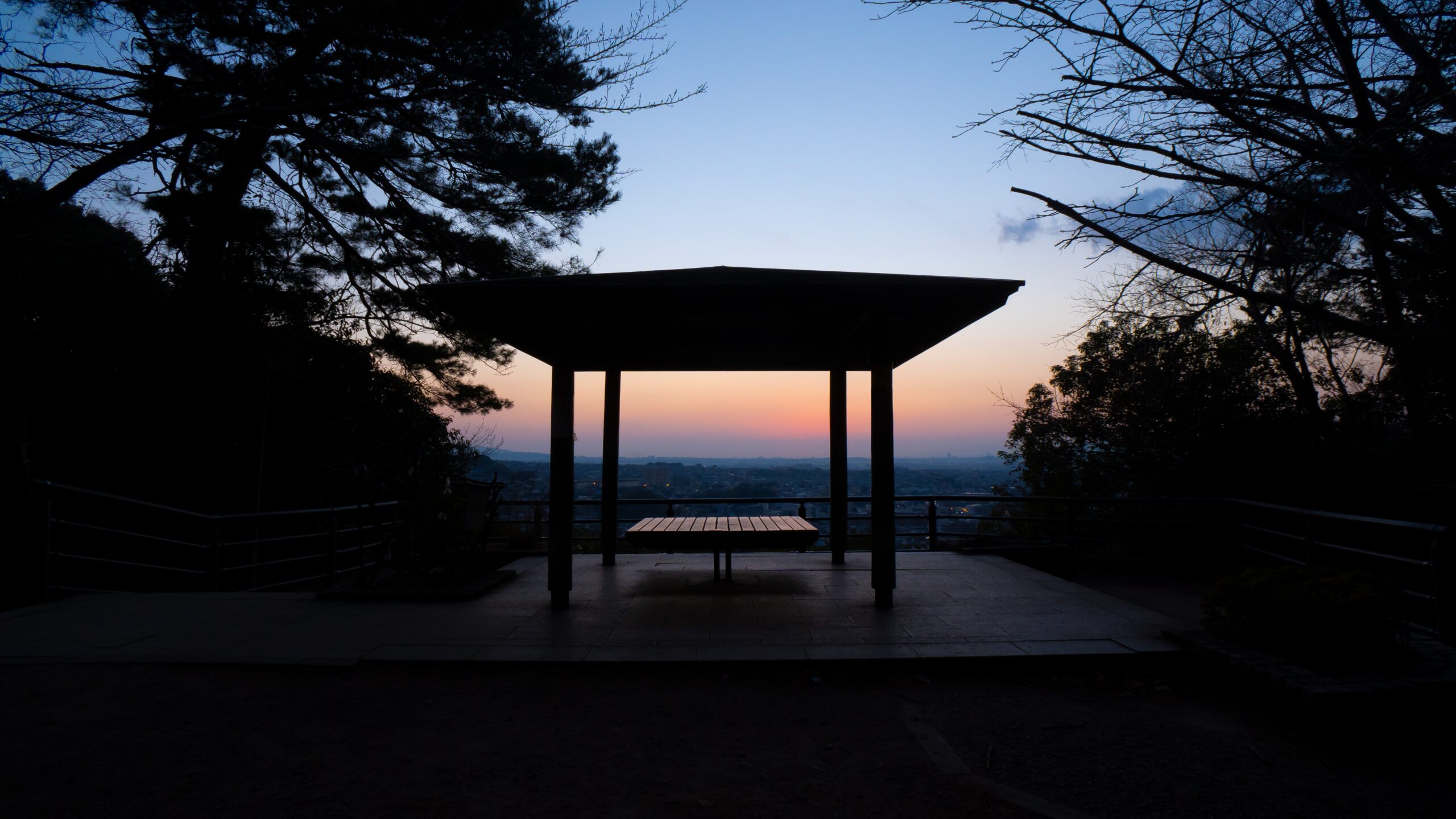
Sunset view from Daikichiyama Observation Deck – Photo Credit: SATSUKI25
Daikichiyama Observation Deck
While seeing the various city landmarks up close is always fun, there is also a way to see the entire city all in one go! A 20-minute hike up Daikichiyama takes you to this observation deck, offering stunning views of Byodo-in Temple, the Ujigawa River, and the rest of the city. With the entire hiking route lined with all manner of different trees, you’re guaranteed a beautiful seasonal view whichever time of year you decide to visit! Furthermore, for fans of Hibike Euphonium, you might recognise the spot from a number of scenes from the show.
Address: Higashiuchi-65-5 Uji, Kyoto 611-0021
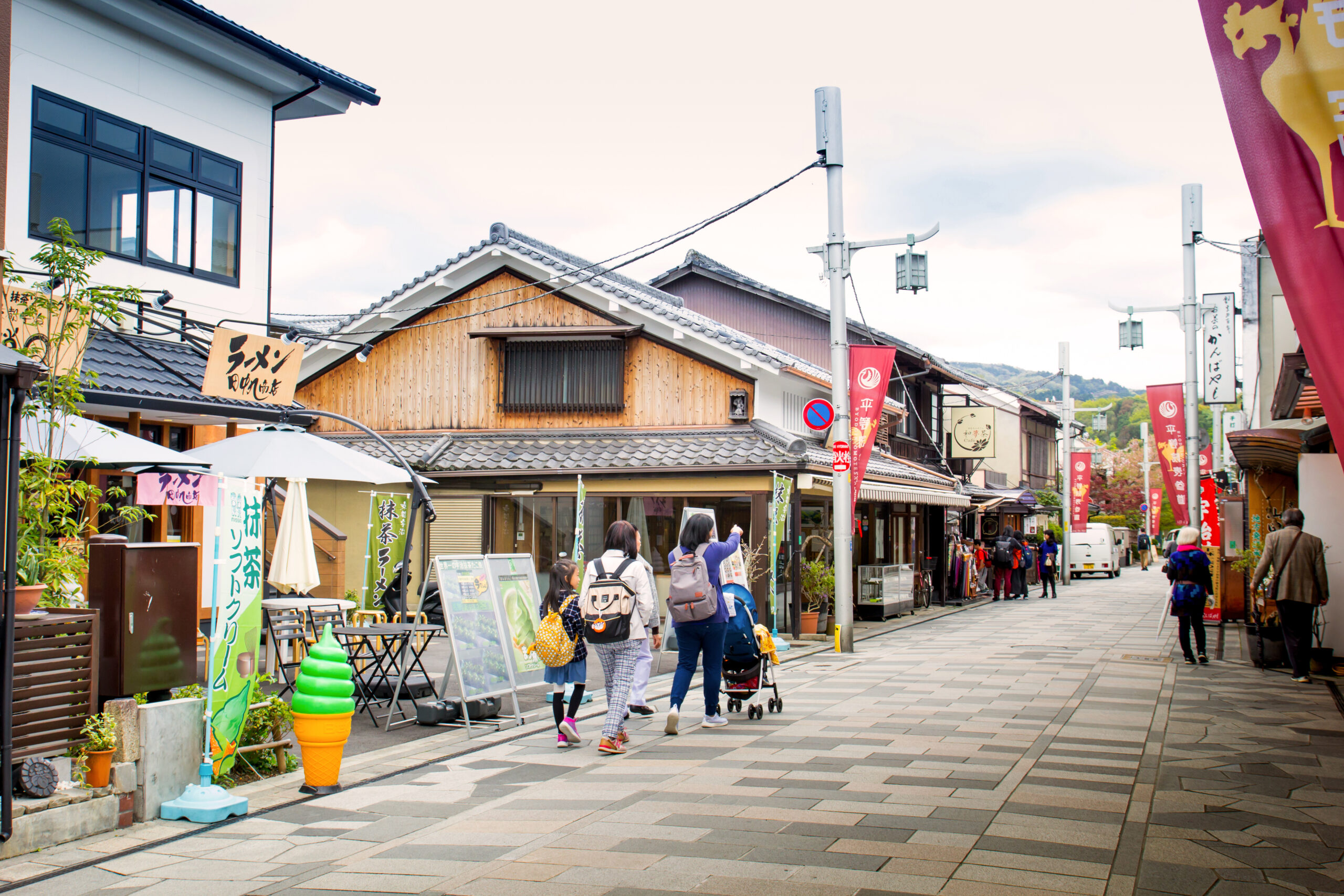
Shops along Byodo-in Omotesando – Photo Credit: Supachita Krerkkaiwan
Things to do
Byodo-in Omotesando
Old Edo-style shopping streets make for popular attractions across Japan, and Uji’s own streets are no exception. Connected to the western side of the Uji Bridge, Byodo-in Omotesando is home to many different establishments. More modern additions like restaurants & bakeries, small shops selling tea products, alongside centuries-old tea houses and stores owned by tea farmers. This street, as well as the neighbouring Ujibashi Street, is located a short walk away from the Uji train station. While walking through the rows of shops, take in the traditional architecture, and savour all manner of matcha-flavoured delights!
Address (Ujibashi): Uji, Kyoto 611-0021
Address (Omotesando): Renge Uji, Kyoto 611-0021
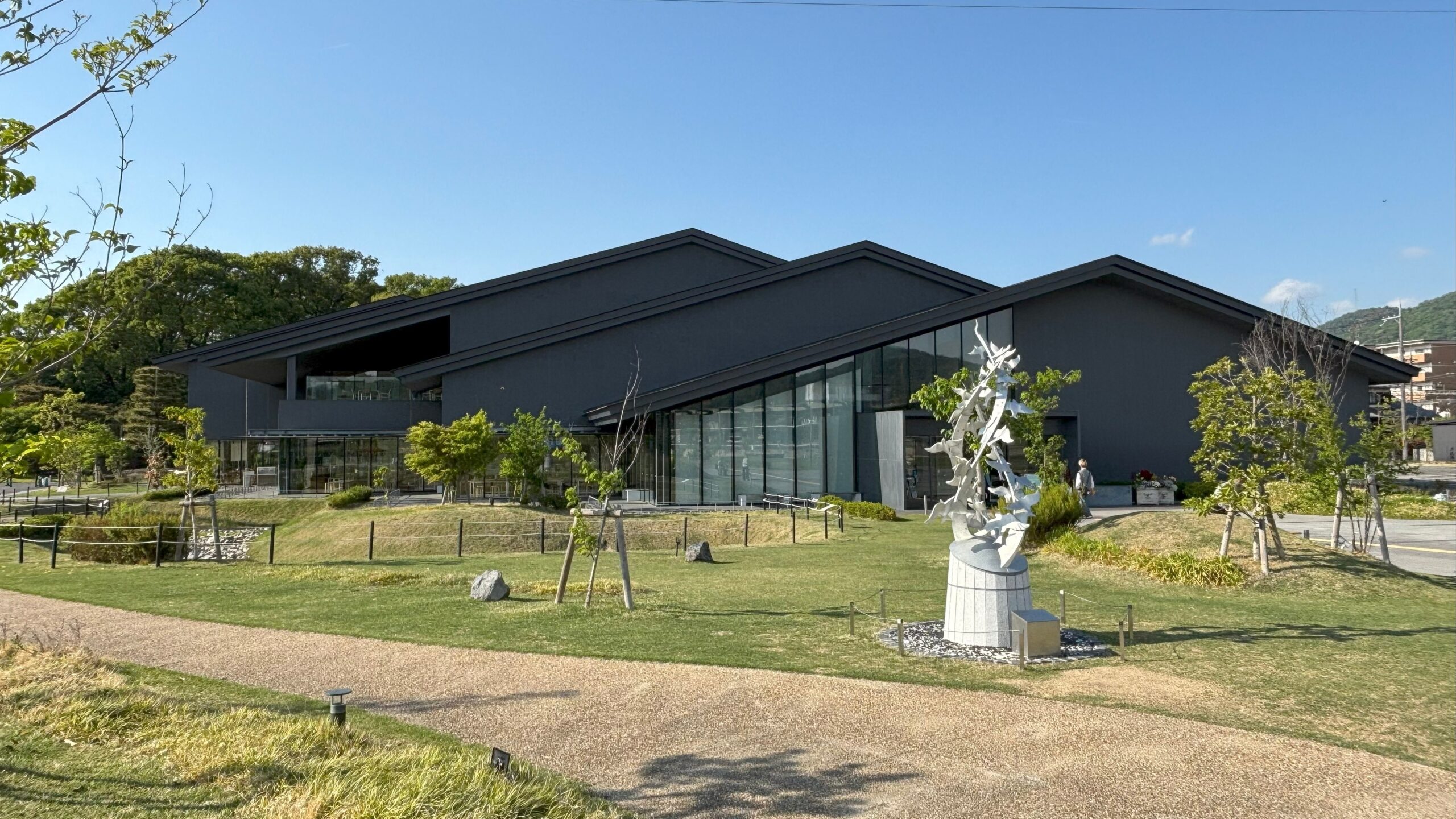
Outdoor view of the Chazuna community centre – Photo Credit: Herlam Kwa
Tea and Uji Community Centre, Chazuna
If you’re interested in the complete matcha experience, then this is the place to go to! This riverside community centre includes two small museums, one about Uji’s history with tea, the other about the history of the city, and a wide range of workshops to introduce various aspects of Japan’s artistic culture. Whether you want to grind your own tea, make a container to store it in, or try your hand at some wood crafts, there’s something that will appeal to everyone.
Surrounding the building are a handful of outdoor attractions to take in, too: a couple of historical landmarks, a garden, and a mini tea plantation. For those interested in learning more about matcha, this is the perfect starting point!
Chazuna charges a 600 yen adult admission fee for the museums, 300 yen for those under 15, and free for those under 6.
Opening times: 9:00 – 17:00 (last museum admission 16:30)
Address: Maruyama-203-1 Todo, Uji, Kyoto 611-0013
Website: https://uji-chazuna.kyoto/en/
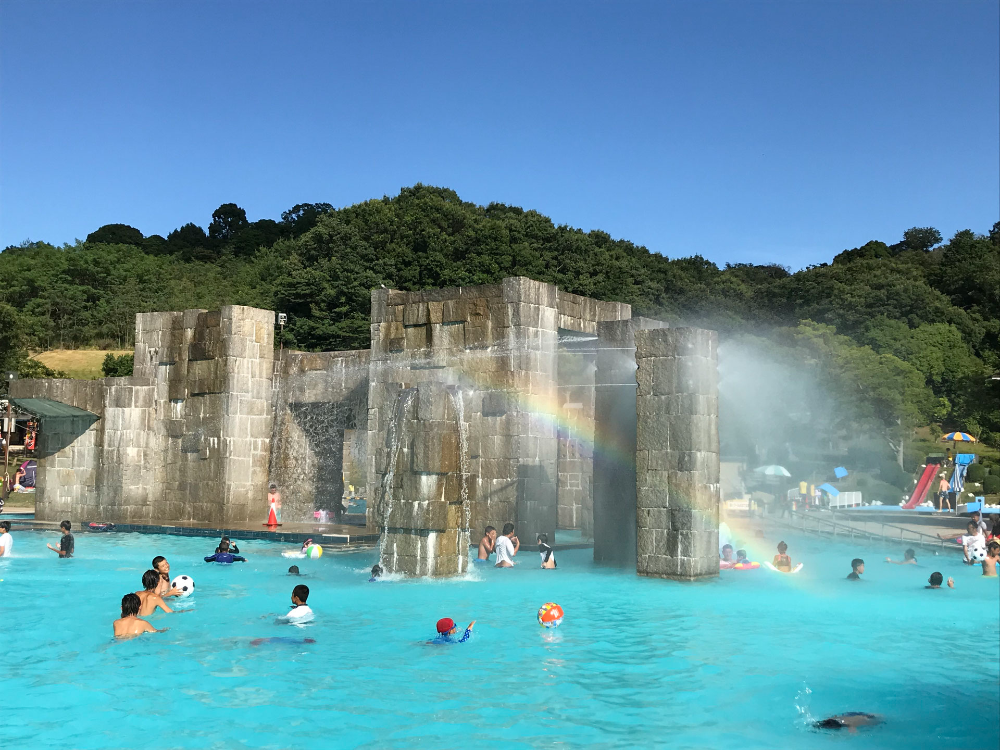
Taiyogaoka’s Family Pool – Photo Credit: Taiyogaoka official website
Yamashiro Sports Park Taiyogaoka
For visitors who are keen to stay active during their visit, or perhaps looking for a more thrilling experience, you’re in luck. Uji has a large number of facilities dedicated to outdoor activities, most of which can be enjoyed at this park. The size of 27 baseball stadiums, Taiyogaoka caters to any and all athletic needs you may have! For sports fans, there is a running track, a baseball park, a gymnasium, and many more; for the children, there are a number of forest playgrounds; for the thrill-seekers, you can enjoy a series of high-rope courses and ziplines. And for anyone looking to cool off from the Japanese heat, you can take a dip in the Family Pool, including six different pools and several water slides! If you’re looking to burn off some energy during your trip, this is the place to go!
Opening times: 8:30 – 21:00 (closed Thursdays)
Address: Hachikenyadani-1 Hironocho, Uji, Kyoto 611-0031
Website: https://www.kyoto-park.jp/ (in Japanese)
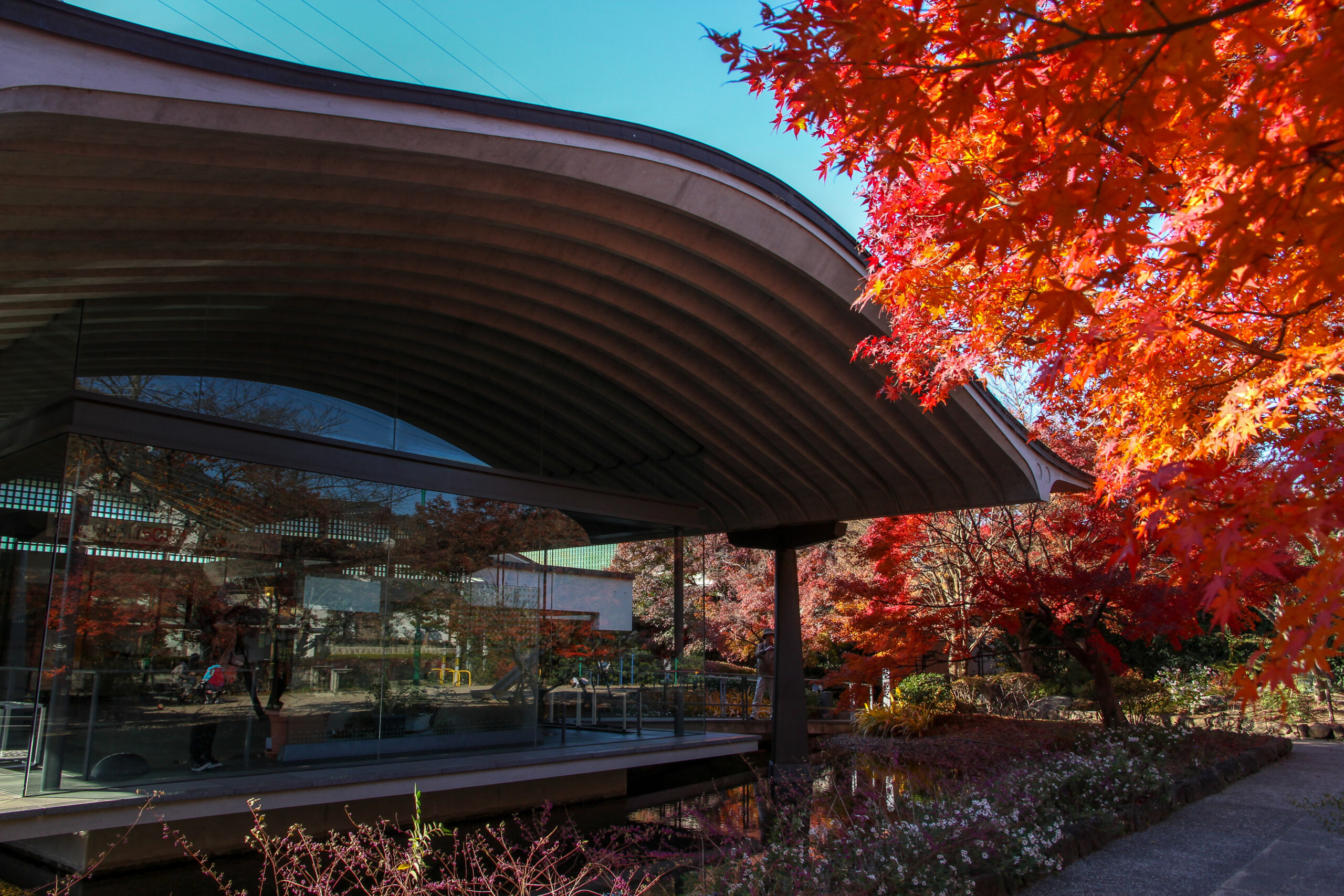
Front of the Tale of Genji Museum – Photo Credit: Various images
The Tale of Genji
One of the earliest depictions of Uji in popular culture is in Murasaki Shikibu’s The Tale of Genji, history’s first recorded novel, in what is referred to as the Uji Jujo (Ten Uji Chapters), the last ten chapters of the story, which are set in Uji. With The Tale of Genji having equal significance in Japan to that of Shakespeare in the West, there is naturally an abundance of landmarks dedicated to the novel.
Tale of Genji Museum
First opened in 1998, this tiny museum details various scenes from the novel, going in depth on what life was like in Uji during the Heian period, the time in which the novel is set and written. From architecture and fashion displays to a library with thousands of volumes of the book, the museum is a must-see not only for fans of the novel but also for visitors looking for a brief history of Uji. An English audio guide is available.
Opening times: 9:00 – 17:00 Tuesday-Sunday (last admission 16:30)
Address: Higashiuchi-45-26 Uji, Kyoto 611-0021
Website: https://www.city.uji.kyoto.jp/site/genji/
Along the Uji River are two statues related to the novel. The first, located next to Uji Bridge on the west bank of the river, is a statue of the author, Murasaki Shikibu, a lady-in-waiting of the imperial court during the Heian period. Despite Heian women being excluded from learning Chinese, the government’s official written language of the time, the erudite-raised Shikibu was able to become fluent, going on to write at least three works, The Tale of Genji being her most famous. The second statue, the Statue of the Ten Uji Chapters, depicts a scene from one of the passages in which the heroine Ukifune and Prince Niou set out on a boat along the Uji River.
Located next to Asagiri Bridge and a short walk away from Uji Shrine, this landmark has a little something extra for Pokémon fans. On the floor right next to the statue, you can find one of Uji’s three Pokémon-themed manhole covers!
Address (Murasaki Shikibu): Renge-5-2 Uji, Kyoto 611-0021
Address (Ten Uji Chapters): Mataburi Uji, Kyoto 611-0021
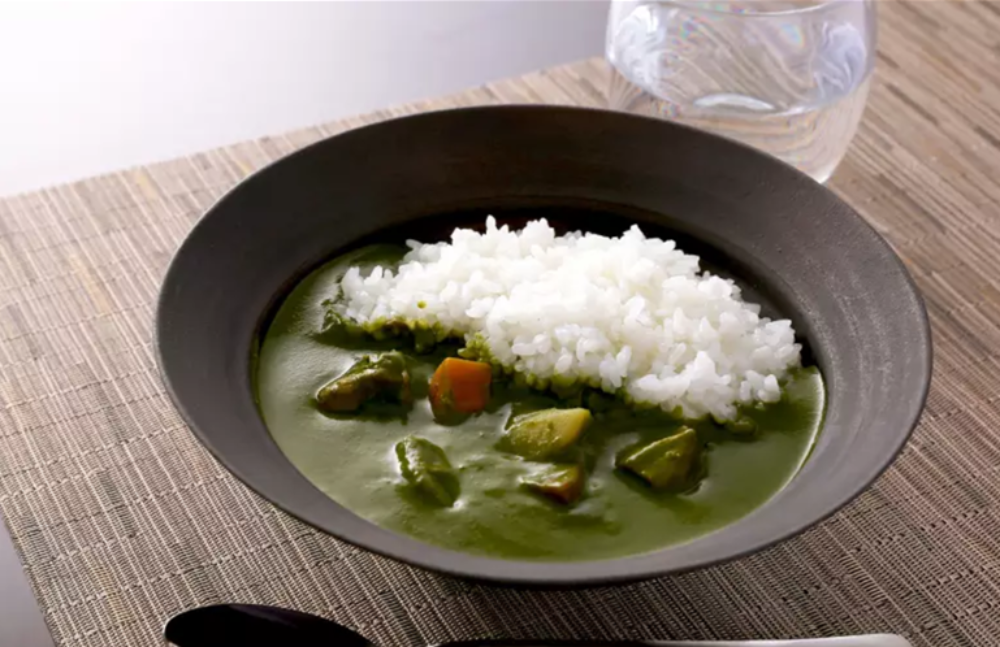
Itoh Kyuemon’s Uji Matcha Curry – Photo Credit: Itoh Kyuemon
Things to eat
With such a strong association with tea, it’s only natural that there are several places to enjoy Uji’s lead export. And not just in the conventional manner…
Itoh Kyuemon
By far the most well-known tea shop in Uji, with multiple branches across Kyoto, though for this recommendation, we’re only covering the Uji Honten (the main shop). Officially, Itoh Kyuemon is a tea shop, but the Uji Honten, on the east side of the river, also has a small restaurant area serving lunches, where all of the options contain matcha.
The menu includes both hot and cold matcha soba, but the most popular item is definitely the shop’s vibrant matcha curry udon. Whether you’re looking for a box of tea to take home or want to try one of these unique dishes from the restaurant, this shop is the ideal stop.
Opening times: 10:00 – 18:00
Address: Aramaki-19-3 Todo, Uji, Kyoto 611-0013
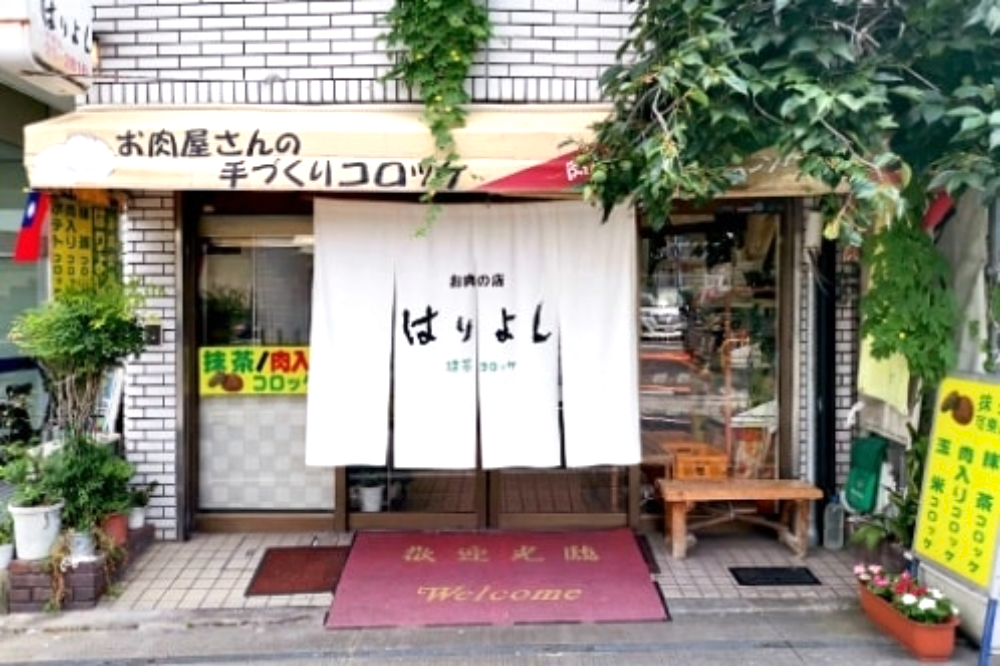
Storefront of Hariyoshi Meat Shop – Photo Credit: Kyoto Uji Sightseeing Map
Hariyoshi Butchers
If you’re curious about sampling some of the more unconventional uses for matcha, but aren’t entirely sure you’ll like it, this meat shop provides a happy medium. Located along Ujibashi Street, Hariyoshi Butchers sells various meat products, including cutlets and croquettes that can be enjoyed fresh. The shop’s highlight is their unique matcha korokke, a croquette filled with a matcha-infused potato, for only 150 yen. An unusual snack that combines the city’s main export with one of Japan’s staple street foods, be sure to stop off here if you’re looking for a snack along Ujibashi Street.
Opening times: 9:30 – 18:30
Address: Ichiban-14-2 Uji, Kyoto 611-0021
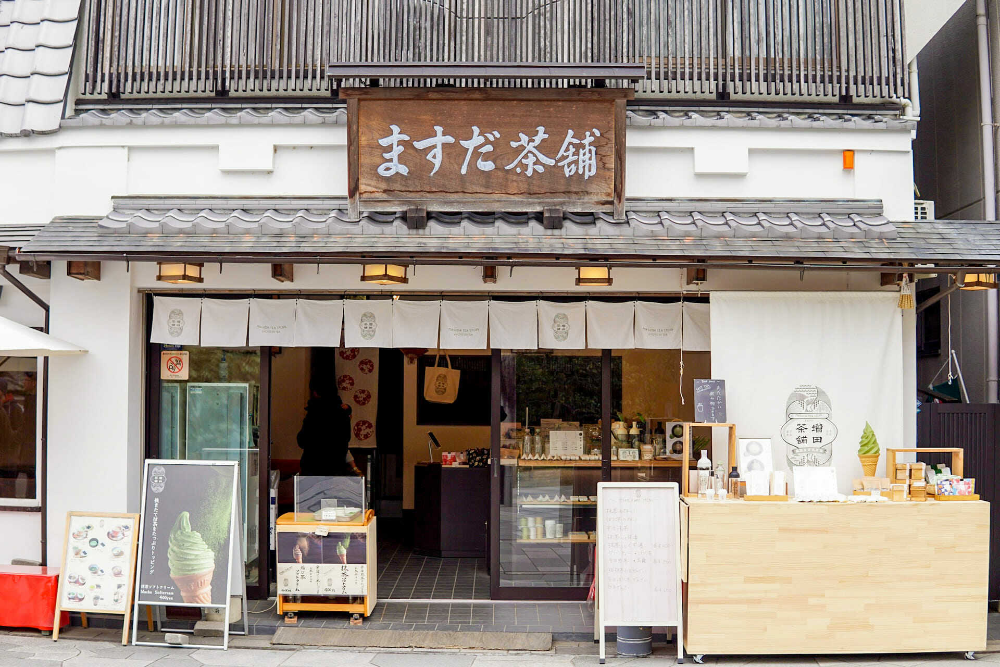
Storefront of Masuda Chaho – Photo Credit: Masuda Chaho website
Masuda Chaho
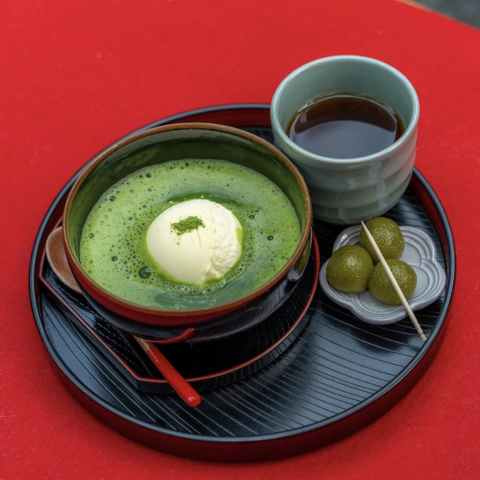
What better way to round off your matcha-themed dining experience than with a matcha-themed dessert? Just a short walk from the entrance of Byodo-in Temple, this shop is once again divided between a tea shop on one side and a cafe on the other. In the store, you can find different varieties of tea leaves alongside items essential to preparing it, with assistance available if you don’t know where to start. In the cafe, in addition to all manner of matcha-based drinks, you can also find matcha desserts, from parfait and affogato to their powder-topped soft serve ice cream. The perfect spot in Uji to satisfy your sweet tooth!
Opening times: 10:00 – 18:00
Address: Renge-21-3 Uji, Kyoto 611-0021
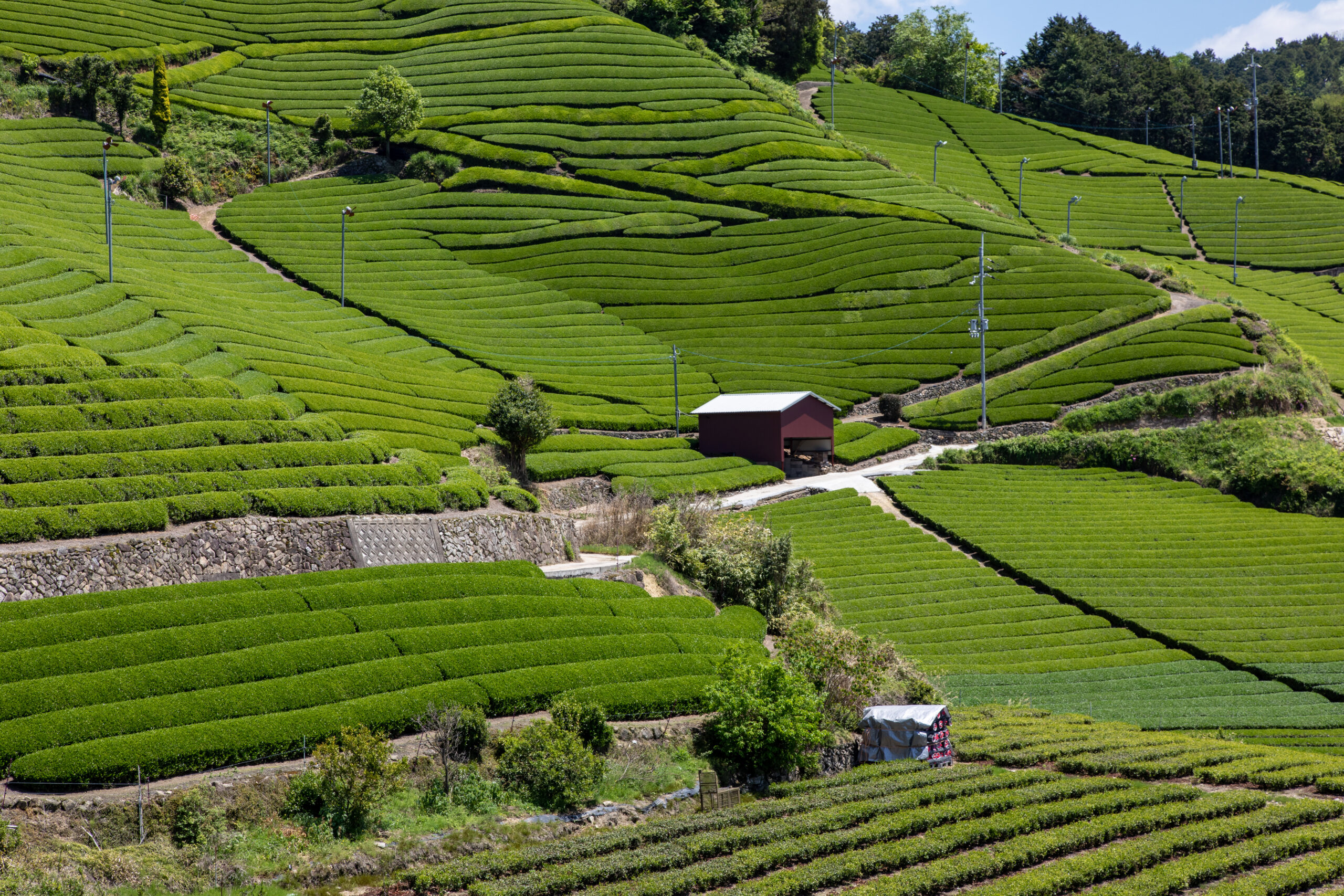
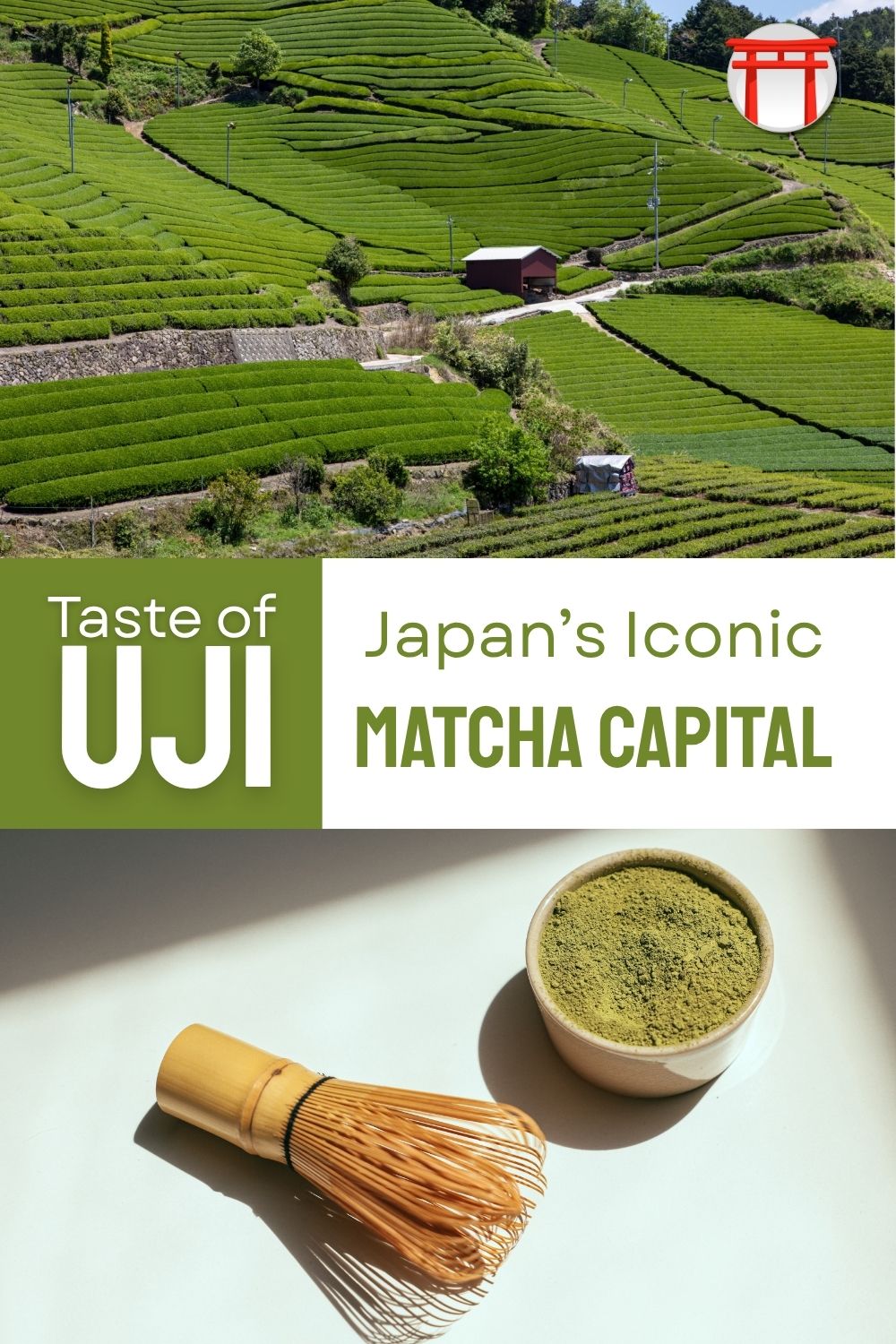
Tea plantation in Wazuka, the largest producer of Uji matcha – Photo Credit: HIROSHI H
Of course, tea has an inescapable influence on Uji, with masterclasses in making & enjoying it, and many restaurants applying matcha to their dishes in unusual ways. However, it should be clear that there are plenty of other experiences to be had, with centuries-old temples to explore, a deep cultural history to appreciate, and even plenty of outdoor activities to enjoy. From spiritual landmarks to literary history, tea ceremonies to traditional crafts, Uji is a must-see city during any visit to Kyoto!
Featured Photo Credit: Jessica Iragne
Looking to visit Japan’s Matcha Capital? Make sure to book a spot on our Matcha Kyoto Green Tea Tour and try some for yourself!
PIN THIS FOR LATER