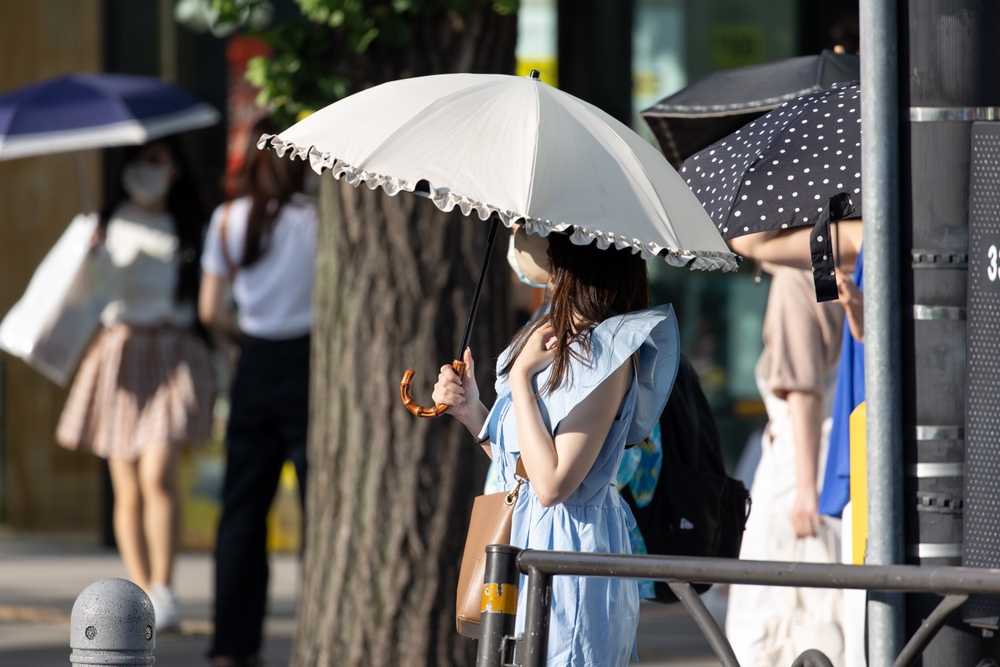
The temperatures in Japan are still up there, and if you’re planning a trip to Japan while it’s still hot, or even if you’re planning for your summer vacation next year, be warned that it can get surprisingly hot and humid. With temperatures typically climbing to sit over the 40-degree (Celsius) mark, it’s important to take the proper precautions to keep you and your loved ones safe so you can all enjoy your trip. With this in mind, today we’ll be talking specifically about heatstroke, how to prevent it, and what to do if you or someone else is affected by the symptoms so that you can all take it easy and explore Japan without having to worry about the weather.
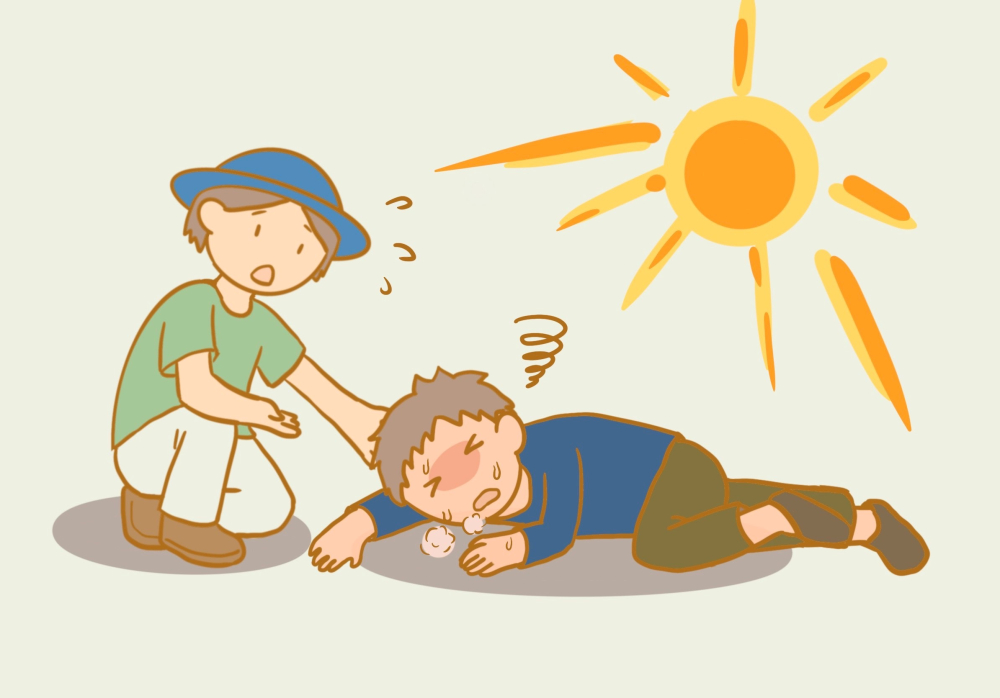
Heatstroke graphic. Photo credit – Tokyo Intercultural Portal Site | TIPS
What Actually Is Heatstroke?
Heatstroke happens when the body is no longer able to regulate its temperature through sweating alone, and therefore, heat is trapped inside the body. Whilst it is often something people are vaguely aware of when they’re walking around or exercising outside, many people don’t realise that in more extreme temperatures, like the figures Japan often sees in the summertime, you can actually get heatstroke even when you’re relaxing indoors. This condition is not to be ignored, for not only will this undoubtedly ruin your holiday and possibly cause health problems, but if not dealt with properly, heatstroke can even become fatal or, at the very least, land you in hospital for the rest of your stay.
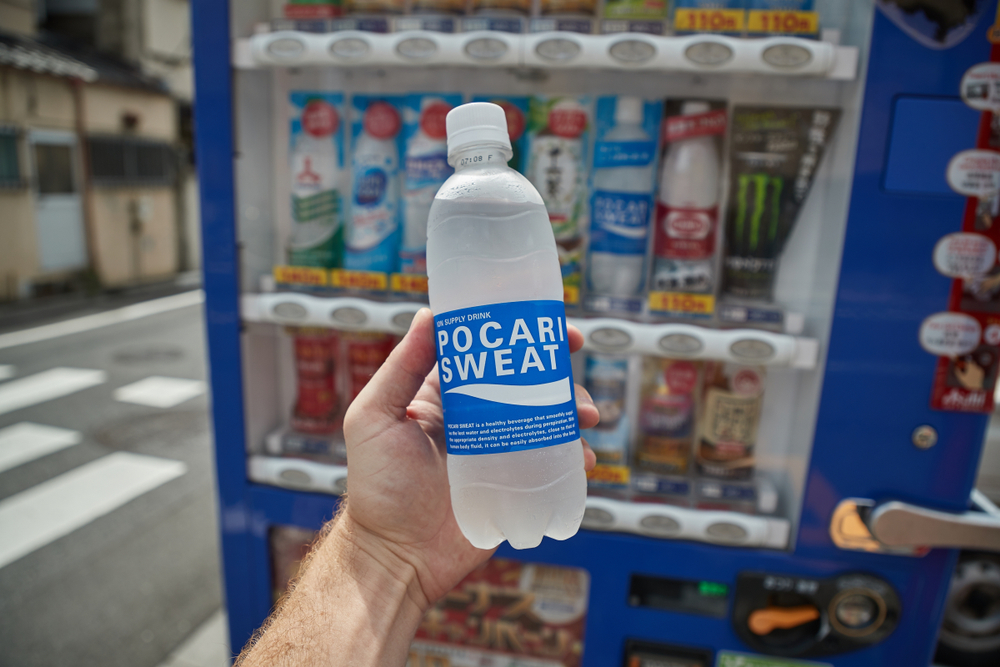
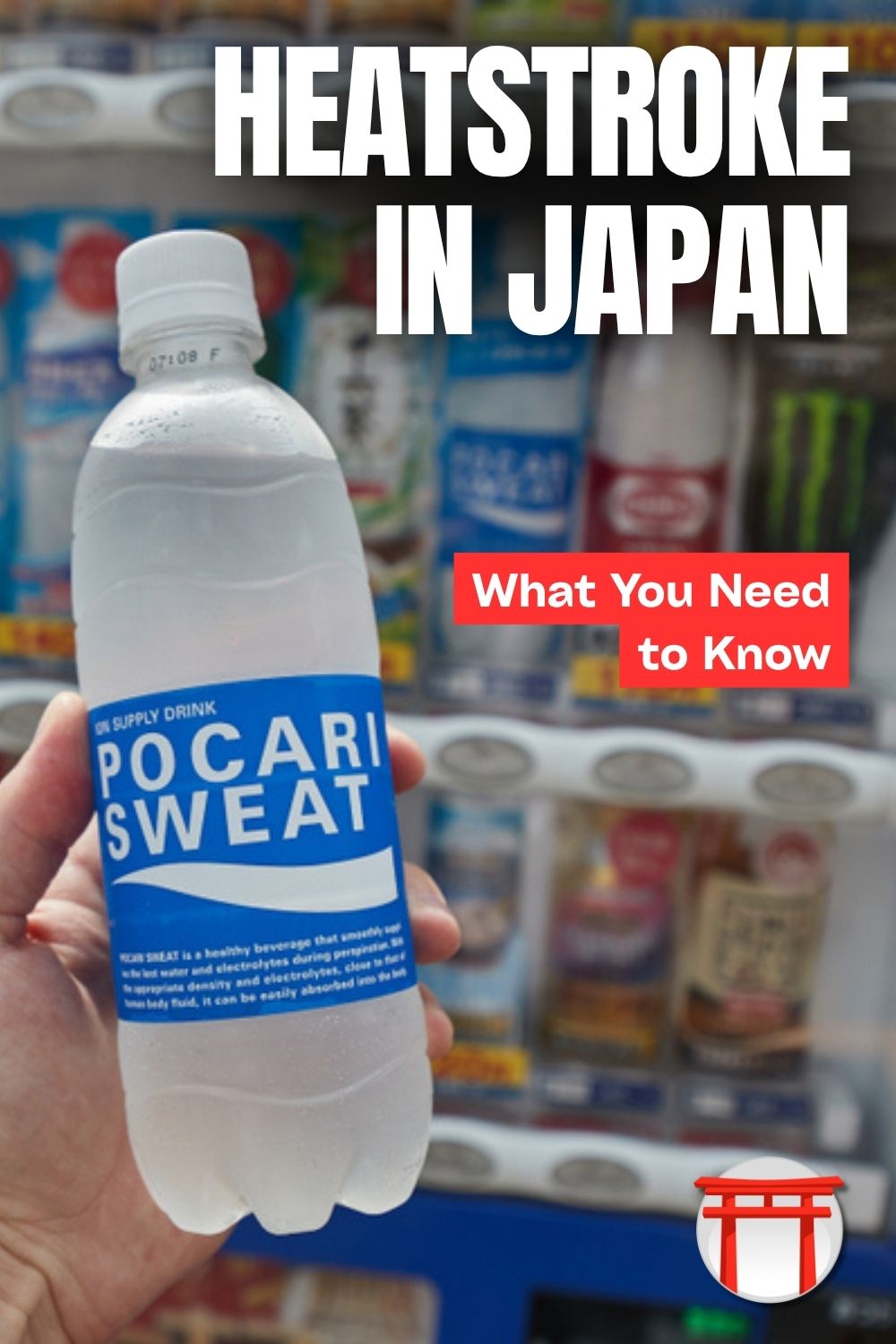
Pocari Sweat bottle. Photo Credit – Desintegrator
Prevention
So what do we do? Well, the best way to deal with heatstroke is to prevent it from happening in the first place! This can easily be done by avoiding the heat as much as possible and staying hydrated. Japan is well known for its wide variety of vending machines, so my advice is to use them! Since the country is famous for its variety of interesting drinks, including certain popular Japanese sports drinks such as Pocari Sweat, this is also the perfect excuse to try them out. Make sure you’re getting enough fluids, whether you’re out and about or just taking it easy at the hotel. Tap water is also drinkable in most places, so you can even keep a bottle on you and top it up as you go if you don’t want to have to buy a new drink every time, but it is important to keep drinking throughout the day.
In addition to this, if you are out exploring, make sure to wear breathable clothing that dries easily and allows for airflow. As well as your usual hats and suncream, many stores in Japan, including budget-friendly stores like Daiso and a lot of convenience stores, stock items like mini fans and UV sleeves, and also sell cold food and drinks to help you cool down. It’s also a good idea to take regular breaks in the shade throughout the day, even if they’re only short 5-10 minute ones. Yes, we know, you want to see as much of Japan as possible, but it’s much more important to stay safe and well!
If you’re inside, taking a more relaxed approach to your holiday, it’s still important to be aware of heatstroke and take your own precautions – just because you’re not directly in the sun, doesn’t mean you’re not at risk. Make sure to utilise things like shading curtains or bamboo screens if your accommodation has them, and consider using ice packs or cold towels to help regulate your body temperature. It’s also not only a good idea to use the air conditioning usually provided in Japanese rooms, but also to frequently check the temperature and adjust it accordingly, even if you don’t necessarily feel hot at that moment! People tend to feel the heat differently on a day-to-day basis, depending on their physical condition, so it’s important to know your limits and keep an eye out for any symptoms.
If you’re looking for more help on how to beat the heat on your next Japan trip, don’t forget to check out our tips on how to survive Japan’s heat here: https://arigatotravel.com/blog/surviving-japans-summer-heat-5-best-travel-tips
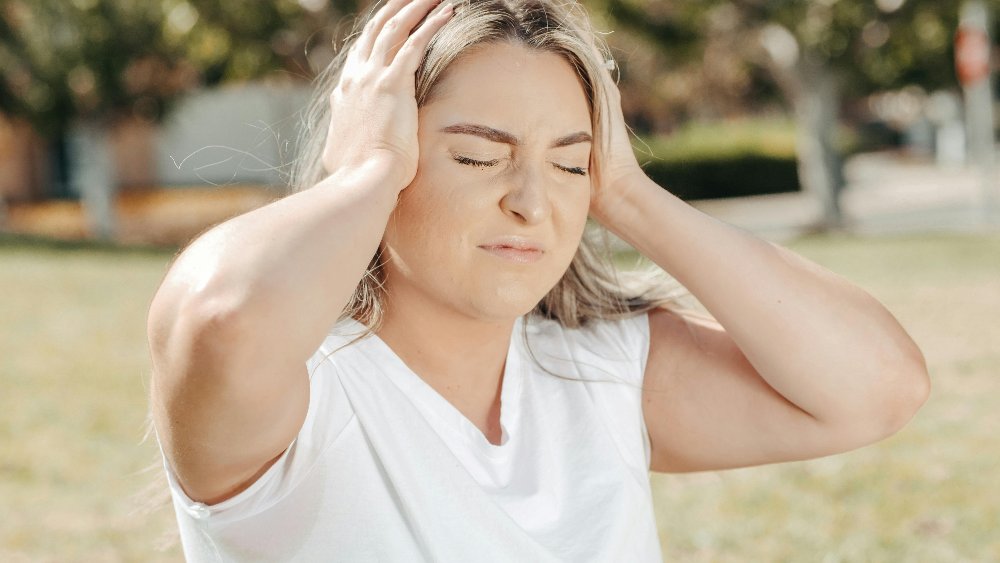
Woman with a heat-induced headache. Photo Credit – Kindel Media
Symptoms
But, how do you even know if someone has heatstroke? What are the main symptoms to look out for, and who are the groups most likely to get heatstroke? Well, according to the Japanese Ministry of Health, Labour and Welfare, the early symptoms of heatstroke are:
- Dizziness/ Giddiness
- Slight yawning
- Profuse Sweating
- Muscle Ache/ Cramp
If these are not addressed and taken care of immediately, they can progress to:
- Headaches
- Vomiting
- Lethargy
- Impaired Judgment
- Loss Of Concentration
- Despondency
It is especially important to keep an eye on people who are part of vulnerable groups such as children, the elderly, or people with disabilities as their bodies may function differently and therefore they may not be able to sense factors such as a lack of fluids or may already be unable to regulate their body heat. It is also essential that if symptoms persist even after first aid, you contact a medical institution immediately, such as the local hospital or the emergency service line (119).
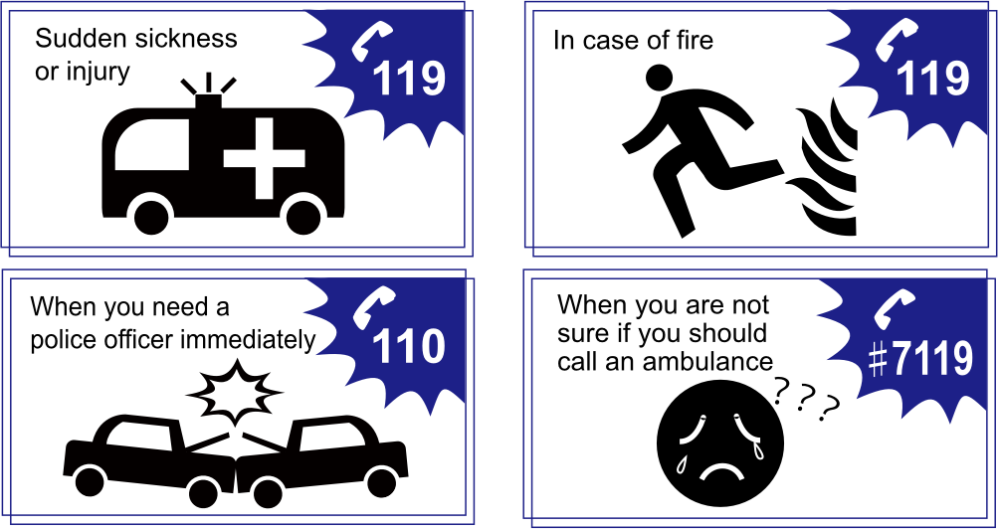
Emergency services numbers in Japan. Photo Credit – The Expat’s Guide to Japan
What To Do If You Or Others Have Heatstroke
Whilst heatstroke is undoubtedly serious, in a lot of cases, symptoms can be eased with some simple first aid. If you come across someone with suspected heatstroke, take them to a cooler spot, either somewhere with air conditioning or at least a shady spot if you are outside. If they are wearing tight or damp clothing, help them loosen it, especially around areas such as the neck, armpits, and groin, to help airflow. You can also give them an oral rehydration solution, or at the very least, find a cold drink for them to sip on to help regulate their body heat and keep their fluids up.
If they are unable to drink by themselves or the symptoms persist or worsen at all, it is essential you call an ambulance straight away! The Japanese medical emergency number is 119. It is a good idea to jot it down or keep it in your phone. And in the case that you are the one suffering from heatstroke, we highly suggest you memorise this simple phrase in Japanese: 救急車を呼んでください (kyukyusha o yonde kudasai), which means ‘please call an ambulance!’.
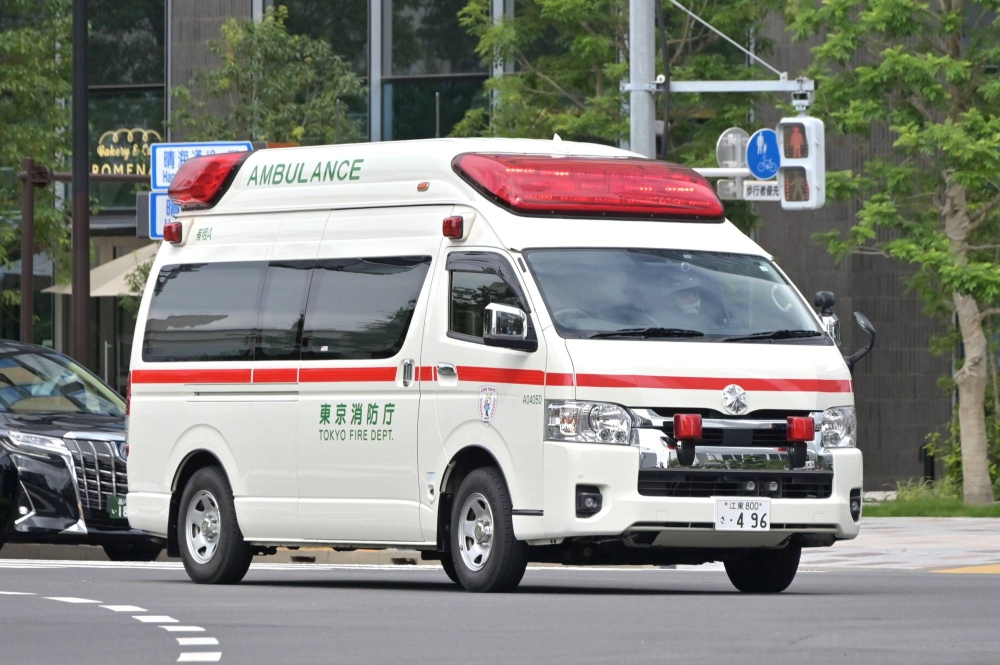
Japanese Ambulance. Photo Credit – The Japan Times
In conclusion, it’s important to take heatstroke seriously and be sensible about your itinerary by giving yourself time to take breaks and get out of the heat. If you suspect you or one of your family members might have heatstroke, take the appropriate steps and, when in doubt, or if symptoms persist, seek medical attention immediately. It may sound like a nuisance, but putting in the effort to regulate your body heat will allow you to enjoy the summer worry-free! If you want to find more information about heatstroke or other things to look out for this summer, you can find the Japanese Ministry of Health, Labour and Welfare’s website here. Summertime in Japan can be a lot of fun, with the many festivals, fireworks, and gardens in full bloom, the country really comes alive and seems to be a lot brighter in the warmer months, so by taking these precautions, it ensures you can enjoy all the sightseeing and delicious foods your heart desires!
Featured Photo Credit: Benoist
Coming to Japan July-August-September? Be sure to take these tips into effect while joining us to explore Japan with our Tailored Travel team, or on one of our 40+ Food tours in Tokyo, Kyoto, Osaka, Hiroshima and Mt. Fuji.
PIN THIS FOR LATER