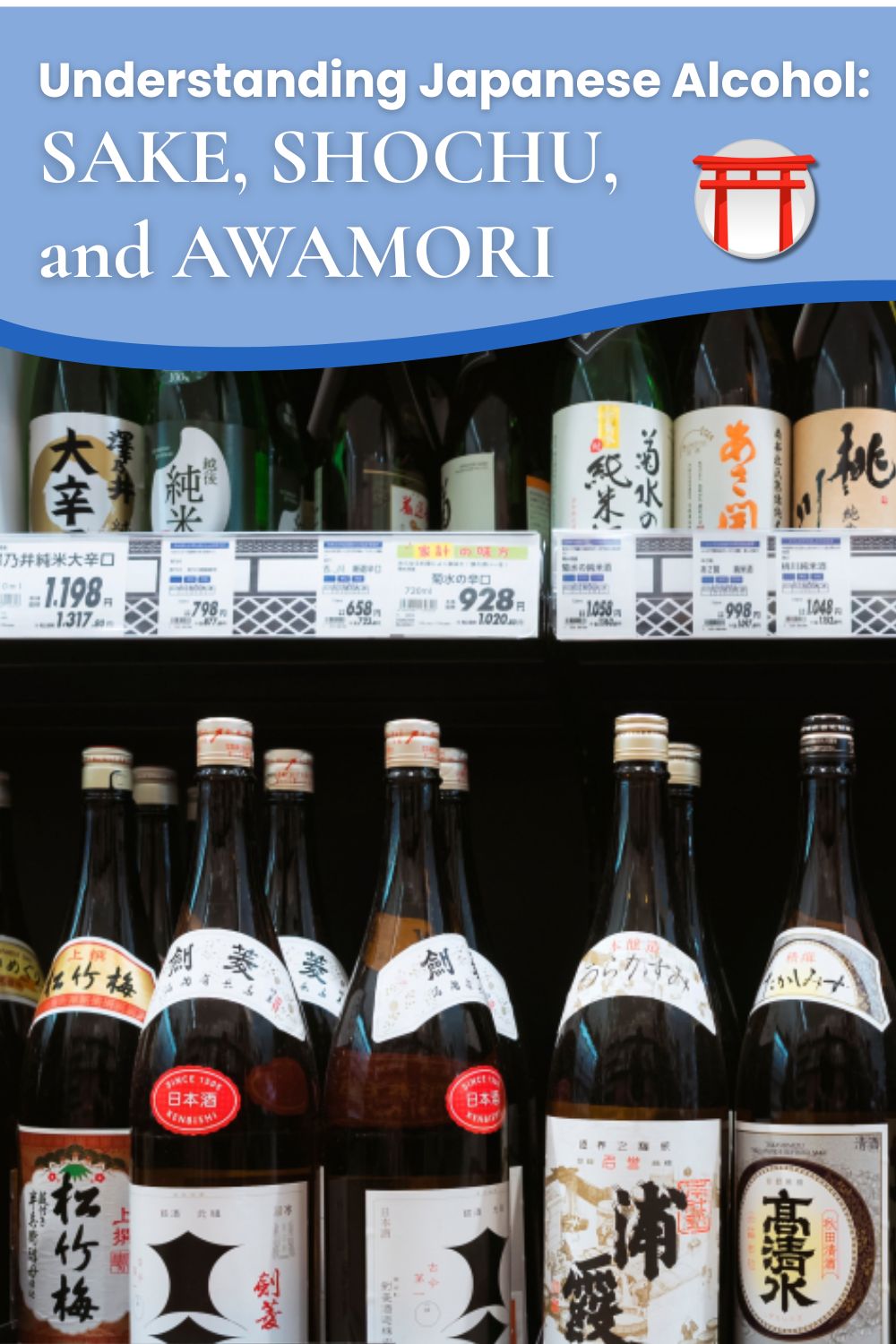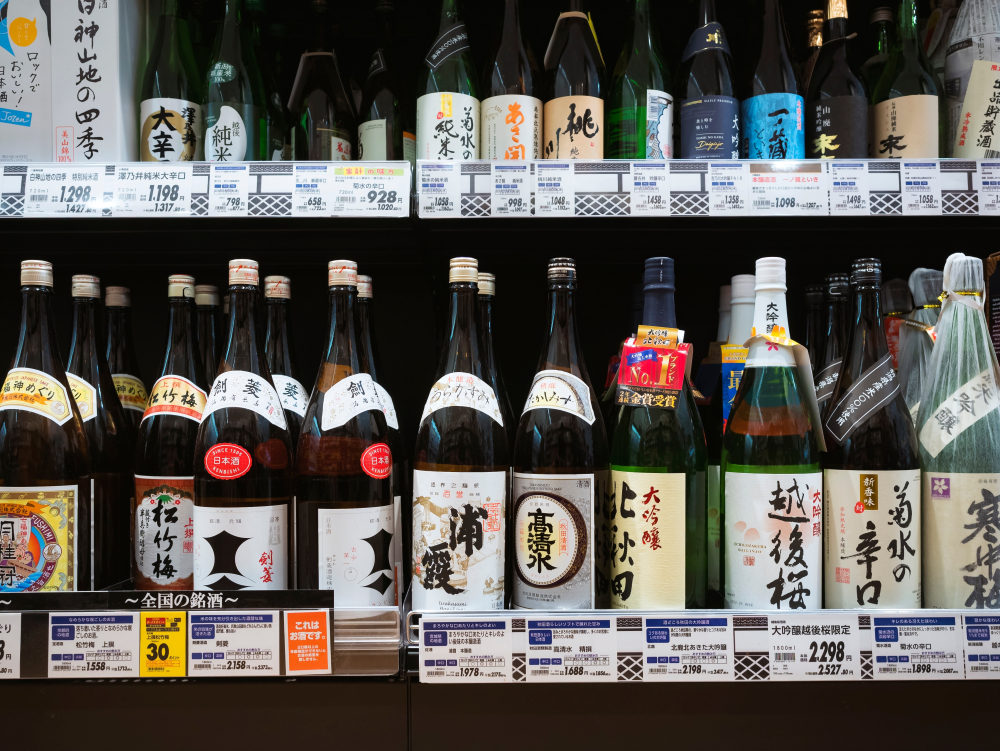
Japan is famous for its rich culinary and drinking culture, and among its most beloved beverages are Nihonshu (日本酒, Japanese brewed alcohol, also known as “Sake” overseas), shochu (焼酎, distilled spirit), and awamori (泡盛, Okinawan distilled spirit). Each of these drinks has a unique history, flavor profile, and cultural significance. Whether you are planning a trip to Japan, exploring local bars, or simply curious about Japanese spirits, understanding the differences will enhance your appreciation of these traditional drinks.
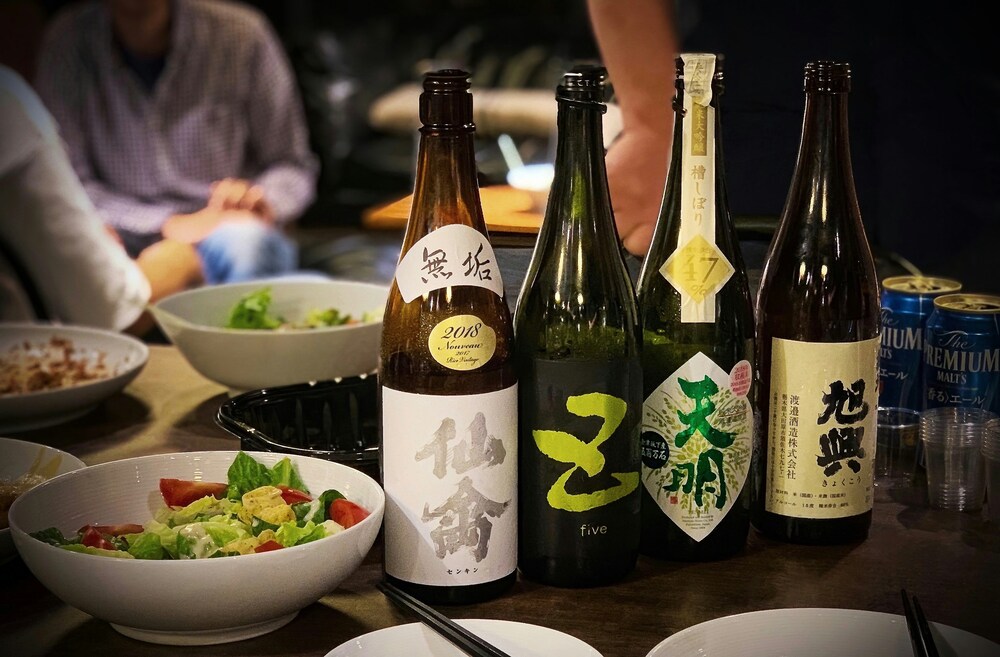
Assortment of Japanese alcohol – Photo Credit: Xtra, Inc.
Sake: Japan’s traditional brewed alcohol
Sake is perhaps the most internationally recognized Japanese alcoholic beverage. Made primarily from polished rice, water, yeast, and koji mold, sake undergoes a brewing process similar to beer. This process converts the starch in rice into sugars before fermentation, resulting in a delicate, slightly sweet alcoholic drink with an alcohol content typically around 12-16%.
Called Nihonshu in Japan, sake has been part of Japanese culture for over a thousand years. It is deeply intertwined with Shinto rituals, seasonal festivals, and celebrations such as weddings and New Year festivities. In Japan, sake is often enjoyed warm during winter months, bringing comfort and warmth, or chilled in summer to enhance its subtle aromas. Regional variations, such as junmai, ginjo, and daiginjo, reflect differences in rice polishing ratios and brewing techniques, giving sake enthusiasts a wide range of flavors to explore.
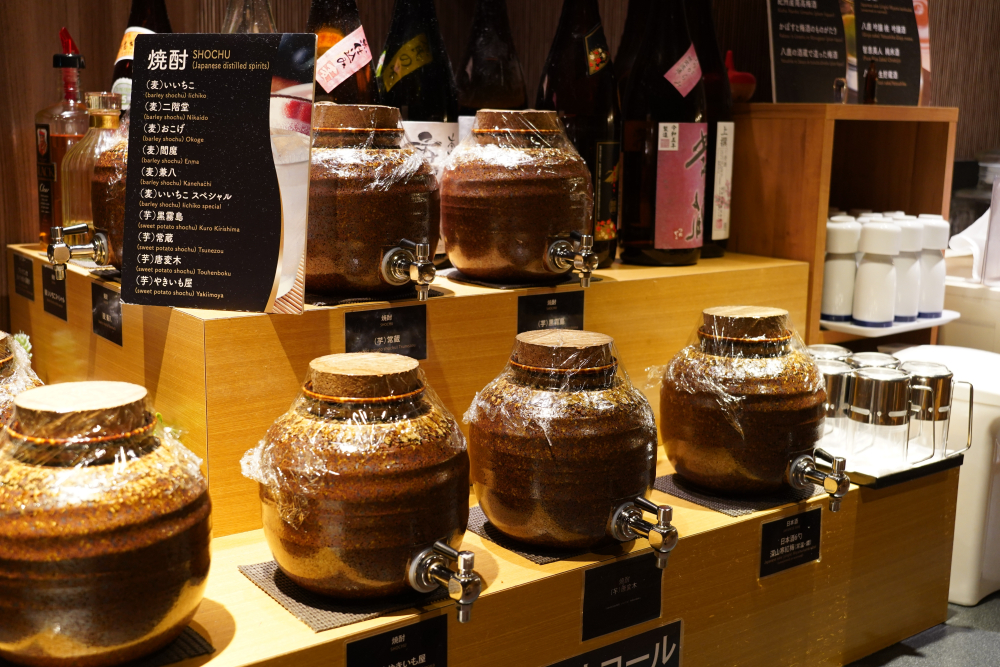
Assortment of shochu in ceramic jars – Photo Credit: eric1207cvb
Shochu: Japan’s everyday distilled spirit
Shochu differs significantly from sake in both production and character. While sake is brewed, shochu is distilled, which allows it to achieve a higher alcohol content, usually between 25-30%. Shochu can be made from a variety of ingredients, including barley, sweet potatoes, rice, and even chestnuts, resulting in a diverse range of flavors.
Shochu is especially popular in southern Japan, such as Kyushu, where the warmer climate favors lighter, smoother drinks. Unlike sake, shochu is often served on the rocks, diluted with water, or mixed with hot water to adjust the flavor and strength. Its versatility makes it a perfect companion to Japanese cuisine, complementing both rich and delicate dishes. For many locals, shochu is considered an everyday drink, appreciated for its balance of alcohol content and flavor.
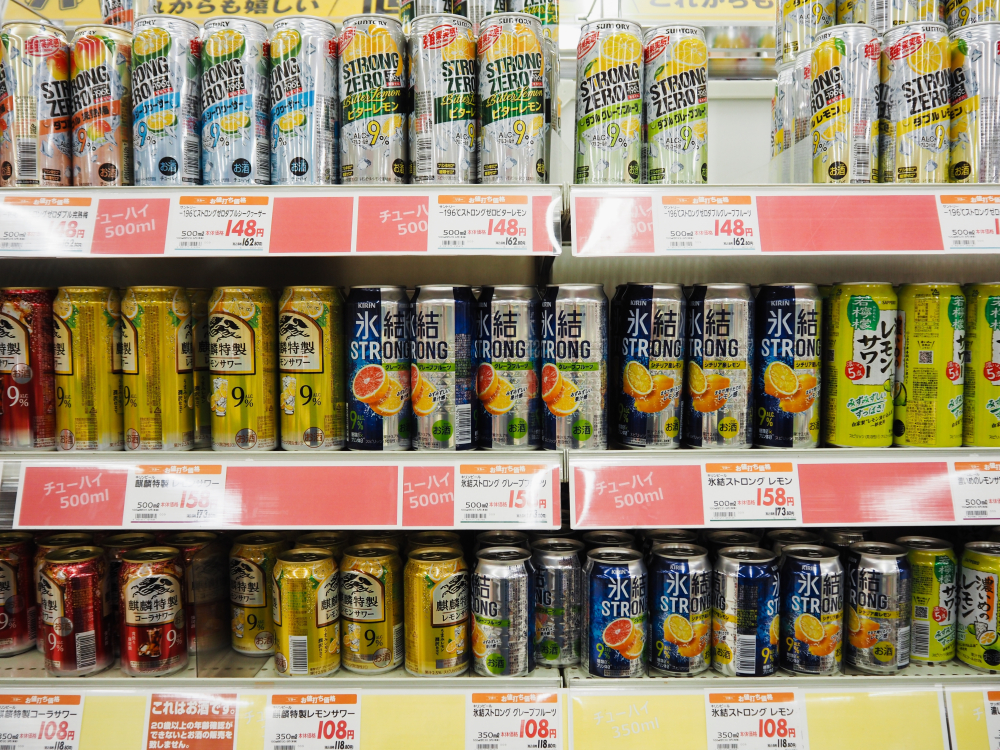
Different flavors of chuhai on the shelves – Photo Credit: Ned Snowman
If you have spent any time exploring Japan’s vibrant nightlife, you have likely come across the refreshing and endlessly customizable drink known as chuhai (酎ハイ, shochu highball). Chuhai is a popular cocktail made by mixing shochu with soda water and fruit flavoring. Lemon remains the classic choice, but you will also find a rainbow of seasonal varieties such as peach, yuzu, plum, and even exotic flavors like lychee or grapefruit.
Today, chuhai is a staple across Japan. Convenience stores and vending machines stock a dazzling array of canned versions, often limited-edition and inspired by the changing seasons, such as sakura in spring, citrus in summer, or spiced apple in winter. Each sip reflects Japan’s love of balance and seasonality, turning a simple cocktail into a cultural expression.
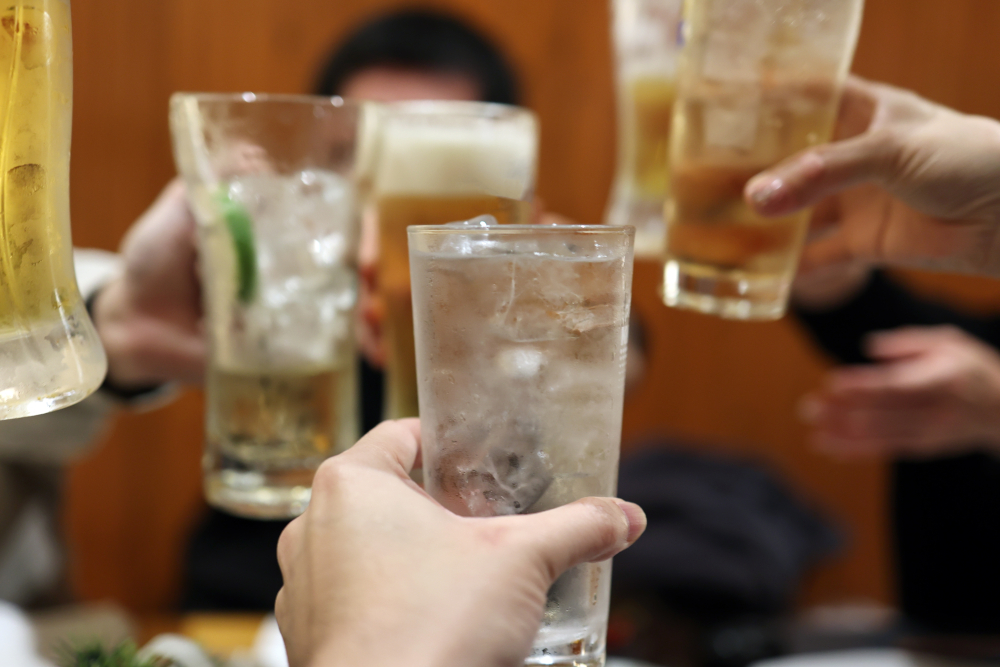
Drinking awamori at an izakaya – Photo Credit: Yuzuru Gima
Awamori: Okinawa’s distinct spirit
Awamori is unique to Okinawa and holds a special place in the islands’ culture. It is a distilled spirit made from long-grain Thai rice and black koji mold, giving it a deeper, earthy flavor compared to shochu. Awamori typically has an alcohol content of around 30-43% and is known for its smoothness and ability to age gracefully over decades.
Historically, awamori has been produced in Okinawa for more than 500 years, introduced through trade with Thailand. It is often consumed during special occasions such as weddings, traditional ceremonies, and local festivals. Aged awamori, known as kusu, develops a rich amber color and complex aroma, much like a fine whiskey. Tourists visiting Okinawa often enjoy trying awamori at local izakaya or during cultural tours, discovering flavors that are unlike any other Japanese spirit.
Comparing the three
While all three drinks are integral to Japanese culture, they offer very different experiences:
- Sake is brewed, lighter, and often enjoyed in both warm and cold forms, depending on the season
- Shochu is distilled, versatile, and made from various ingredients, making it a perfect pairing for meals
- Awamori is distilled like shochu but unique to Okinawa, with a stronger alcohol content and deep, earthy flavors that improve with aging
Understanding these differences will enhance your experience when exploring Japanese cuisine and culture. Each sip carries history, regional pride, and centuries of craftsmanship.
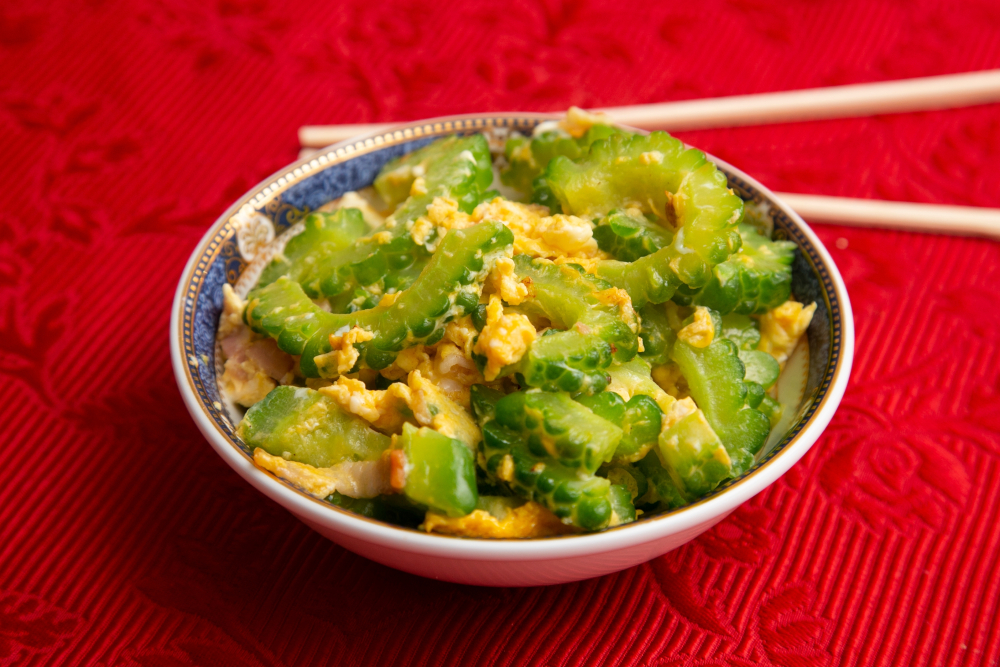
Goya champuru – Photo Credit: Lecker Studio
Tips for enjoying Japanese alcohol
When tasting sake, shochu, or awamori, consider pairing them with traditional Japanese foods. Lightly grilled fish or tempura pairs well with chilled sake, while shochu complements hearty dishes such as tonkatsu or ramen. Awamori’s bold flavor works beautifully with Okinawan cuisine, including goya champuru and pork dishes.
Experimenting with serving methods can also reveal new dimensions of flavor. Warm sake during a winter evening, shochu with hot water in autumn, or aged awamori as a celebratory drink. Each drink reflects the season, region, and occasion, offering a taste of Japan’s diverse drinking culture.
Exploring sake, shochu, and awamori is more than sampling drinks; it is an immersion into Japan’s history, culture, and craftsmanship. The next time you visit Japan, consider venturing beyond the familiar sushi and ramen and raise a glass to these unique spirits. Your palate will thank you, and you will gain a deeper understanding of Japanese culture.
Featured Photo Credit: VTT Studio
To learn even more about Sake with our expert guides, make sure to book our brand new Luxury Kyoto Evening Sake Experience and explore this traditional drink to your heart’s content!
PIN THIS FOR LATER