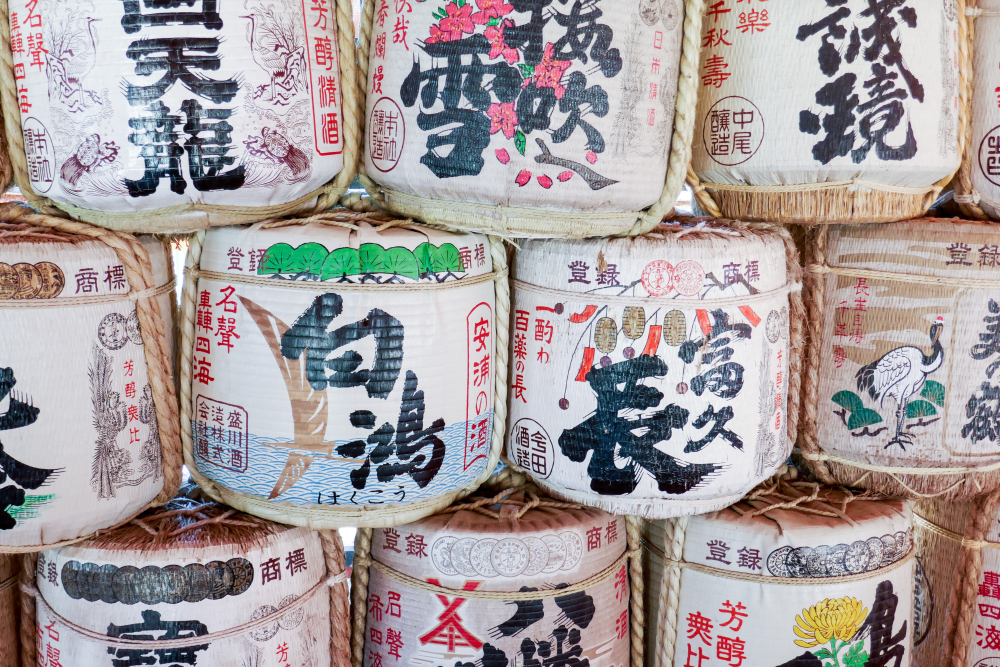
Saijo, Hiroshima Prefecture, is renowned as one of Japan’s premier sake-producing regions. However, this wasn’t always the case; historically, Saijo’s soft and gentle water was deemed unsuitable for brewing.
Sake (Nihonshu) is produced across Japan, from the frigid north of Hokkaido to the tropical south of Okinawa. Its flavor profiles are highly regional, influenced by both the brewing environment and the specific techniques employed. A crucial element in determining sake characteristics is the skill of the toji, or craftsman. Each region of Japan boasts its own toji guild, preserving traditional skills and recipes, which contributes to distinct regional tastes.
Ultimately, however, Mother Nature exerts the greatest influence on flavor through the fermented rice and the brewing water.
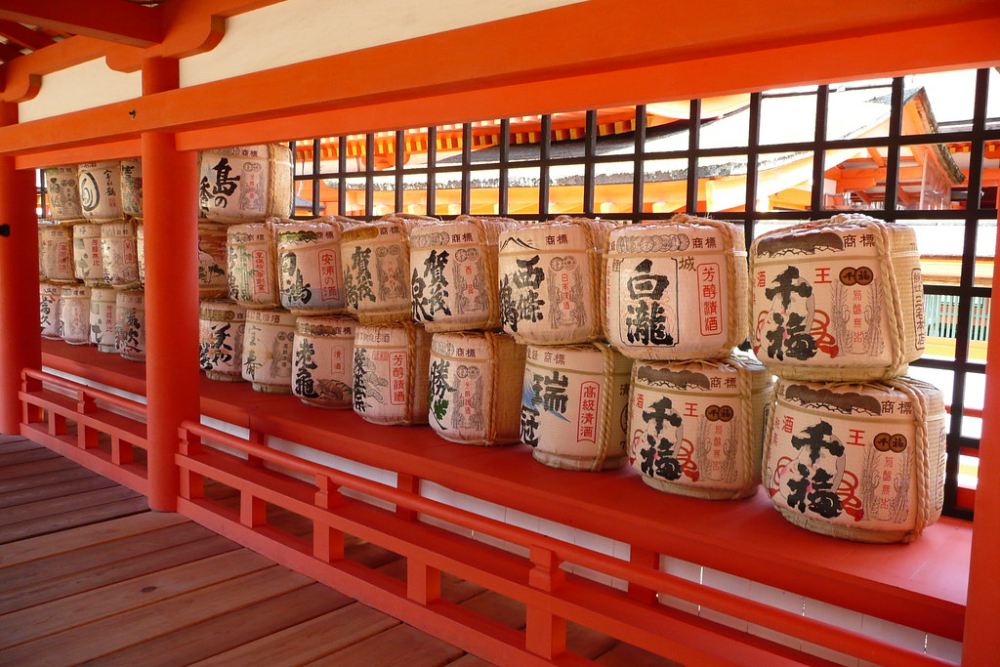
Lines of donated sake barrels in Hiroshima – Credit: Coralie
Japan is divided into eight distinct regions, and Hiroshima, where Saijo is located, is positioned at the southern tip of mainland Japan within the Chugoku region. This region also includes Tottori, Shimane, Okayama, and Yamaguchi Prefectures. The Chugoku area is notable for its hilly terrain and calcareous strata (sediments rich in calcium carbonate). Sake brewing in Saijo was initially hindered by its unsuitable water until innovator and entrepreneur Senzaburo Miura arrived, changing the situation entirely.
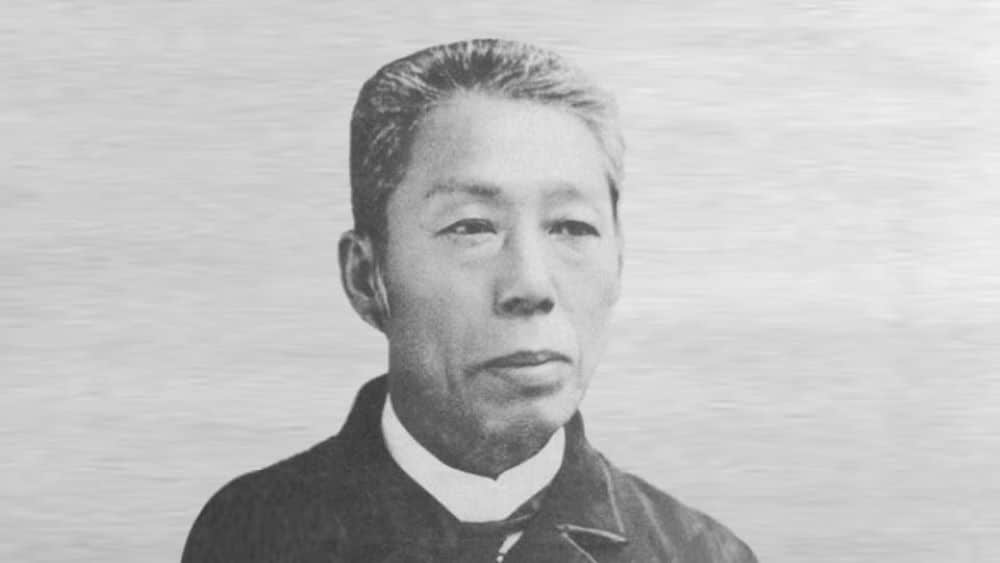
Senzaburo Miura – Photo Credit: Hiroshima Labo
Senzaburo Miura, who began brewing sake in Mitsu in 1876 (Meiji 9), was new to the craft. While many other brewers were closing their doors, Miura relentlessly continued to research how to improve brewing in order to overcome the problem of rotting before it had the chance to ferment. By directly visiting Nada and other famous sake brewing areas, he learned that there was something known as soft water and hard water. Soft water lacks the minerals that are essential to the yeast for sake to properly brew, therefore leaving it rancid. He also went back to the basics: washing vats, learning how to make koji containers, correctly measuring ingredients, and keeping them at the correct temperature. In 1898, he finally had the breakthrough that he had worked so hard for and developed a technique for making delicious sake using the soft water of the Saijo area. This new technique laid the foundation for Hiroshima’s long, respected brewing history. His brewing technique is now known as ginjo-shu. Miura also shared his invaluable findings over a period of more than 20 years with the entire industry. As a result, sake quality improved not only in Mitsu but also in Hiroshima Prefecture as a whole. This sharing of information was very important to the improvement of the local sake and led to putting Hiroshima on the map.
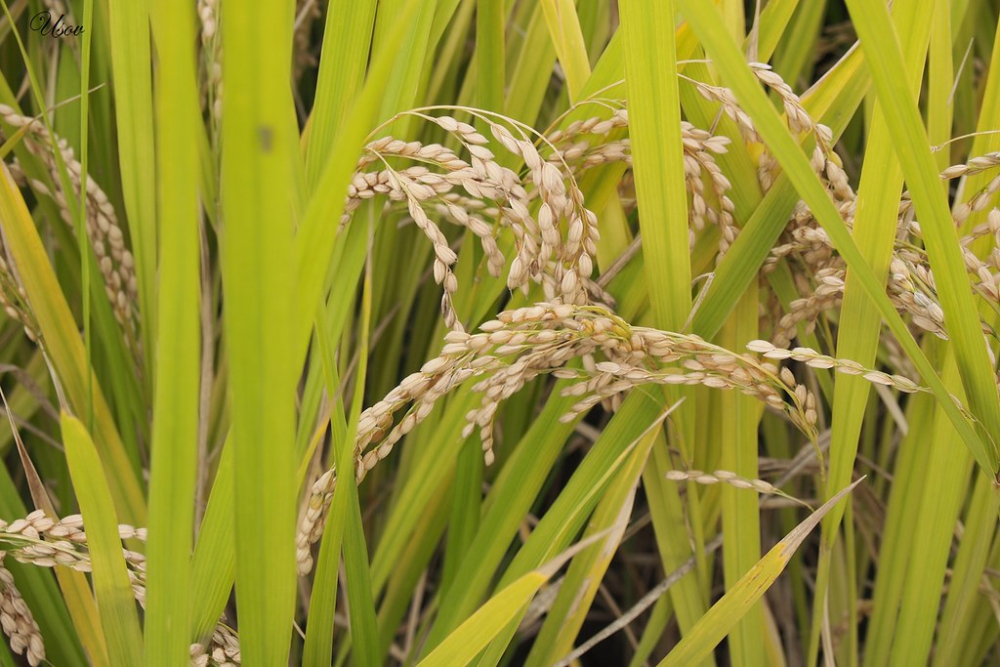
Rice paddies growing in Saijo, Hiroshima – Photo Credit: Alex Usov
The other key ingredient in delicious sake is high-quality rice. Rice used for consumption is different than rice used for brewing. Sake brewing rice is characterized by large grains that are low in protein and a large, opaque white center known as the “heart white.” It is generally considered difficult to grow because the long rice grains are heavy, which causes rice stalks to fall over into the water easily. It is also susceptible to disease and pests. In Hiroshima Prefecture, the sake-suitable rice accounts for 6.9% of the total rice grown. Thirty percent of that rice production is also shipped outside the prefecture. One of the well-known local types of rice suitable for brewing is “Hattan.” It is regarded as possessing a quality heart white. Two further bred varieties, “Hattan-Nishiki” and “Hattan-35,” are grown today and are representative of modern Hiroshima sake rice. There are more varieties of brewing rice than can be counted; however, the flavor notes of the sake rely heavily on which breed of rice it is brewed from.
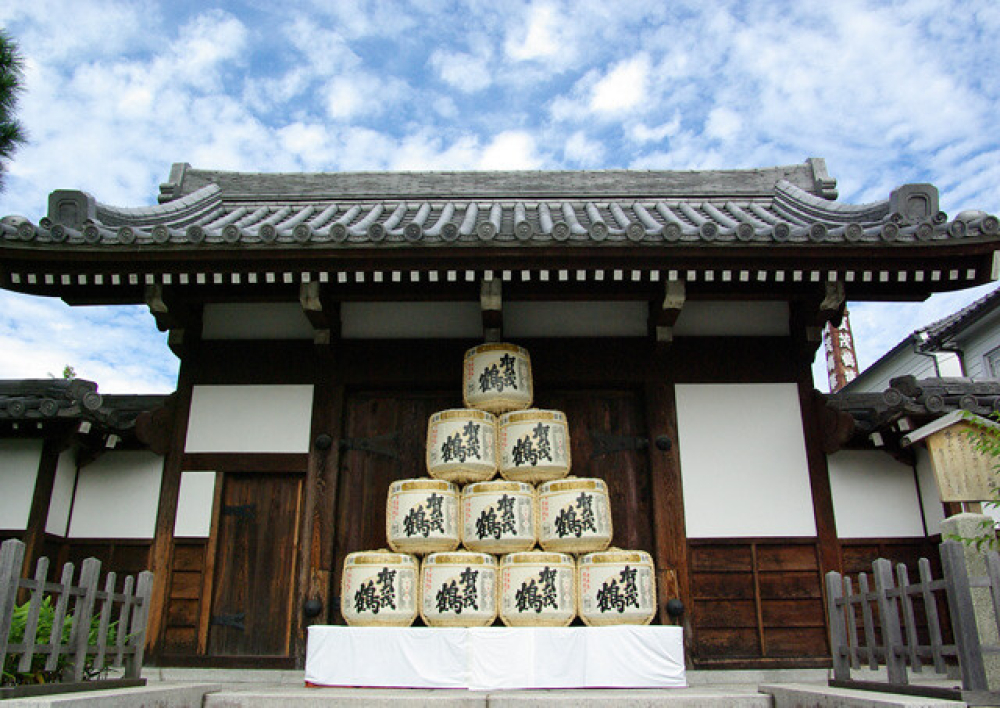
Sake barrels on display at the Saijo Sake Festival – Photo Credit: hiromi orihashi
With the development of the Sanyo Railway, transportation out of the prefecture shifted from ships to railroads, and with it, Saijo became the base from which Hiroshima sake gained traction throughout the nation. Hiroshima had no special advantages in becoming one of the three best sake brewing locations. Rather, it was the sharing of knowledge and willingness not to give up that turned Hiroshima’s initial trials into triumphs. The local brewers sharing information and working together to overcome the problem of rotting sake, and improving the overall quality of flavor was unique to Hiroshima Prefecture’s brewers.
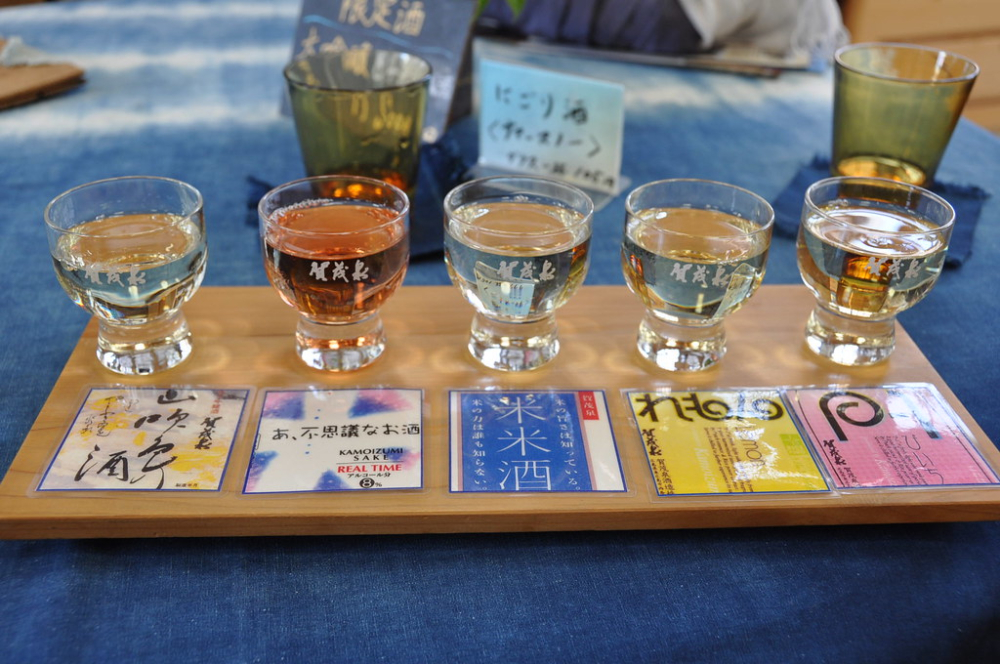
Different types of Sake offered for tasting in Hiroshima – Photo Credit: Yusuke Yamamoto
As a result of their dogged group efforts, Hiroshima took both the gold and silver prizes at the first National Sake Competition held in Tokyo in 1907. They were able to defeat Nada and Fushimi, which were the leading brewing areas of the time. At subsequent competitions, Hiroshima continued to lead the way, and therefore, its position as one of Japan’s “Three Great Sake Brewing Locations” was solidly established.
In summary, Hiroshima’s rise as one of Japan’s top sake-producing regions was not due to natural advantages but to perseverance, innovation, and collaboration. Senzaburo Miura’s breakthrough in soft-water brewing and the shared efforts of local toji transformed early struggles into triumphs. The use of high-quality rice like Hattan further refined Hiroshima’s distinct sake flavors. With victories in national competitions, Hiroshima surpassed established rivals like Nada and Fushimi. Today, its legacy as one of the ‘Three Great Sake Brewing Locations’ stands as a testament to teamwork and tradition.
Featured Photo Credit: Philipp Saal
To learn more about Hiroshima’s exceptional sake, join us on our Saijo Brewery Tour!
PIN THIS FOR LATER