Osaka has changed, and if you’re visiting in 2026, you’ll feel it the moment you arrive. After the Expo 2025, the city has become smarter, faster, and more international than ever before. But with all these exciting upgrades also come new rules, new systems, and a few extra costs that travelers should know about. From high-tech transport to updated taxes and crowd-control measures, Osaka is entering a new era, and we’re here to show you exactly how. So, before you pack your bags, here are 10 important things to know to make your trip smoother, easier, and even more enjoyable:
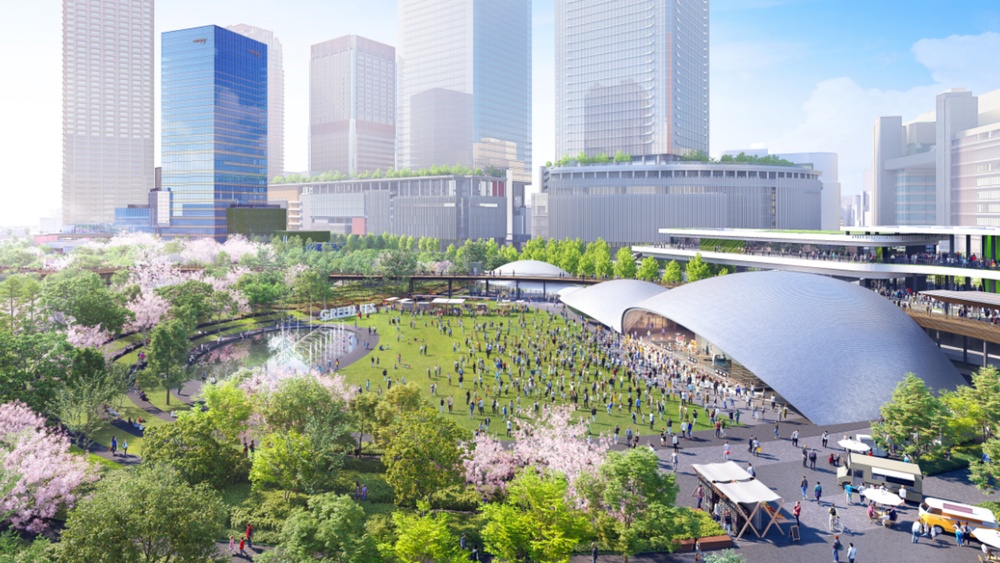
Grand Green Osaka, a mixture of two worlds – Photo Credit: Grand Green Osaka
Grand Green Osaka: A Place Where You Can Enjoy Nature and the City Equally
You’ve probably heard of the Umeda Sky Building or the famous red Ferris wheel at HEP FIVE. But here’s something you might not know: just a 15-minute walk from both of them, there’s a brand-new spot that’s quickly becoming one of Osaka’s most exciting areas, the Grand Green Osaka.
Just north of JR Osaka Station, the long-awaited Umekita Phase 2 area has finally fully opened, and it’s a game-changer. Grand Green Osaka isn’t just a group of new buildings. It’s a huge new city space built around a 45,000 m² park right in the middle of downtown. Instead of packing the area with towers, this project puts nature first. There are wide lawns, trees, open walkways, and places to sit and relax. Office workers eat lunch outside, families visit on weekends, and events and festivals bring the space to life throughout the year. It feels open, calm, and surprisingly spacious for such a busy part of Osaka.
Around the park, you’ll find offices, hotels, shops, and cultural spaces all connected in one easy-to-walk area. The South Building is now fully open, adding even more energy to the neighborhood. And not only that, but you can also find a natural hot spring facility pumped up from deep underground, so you can enjoy an onsen experience while surrounded by greenery in the center of the city.
But the project isn’t finished yet. By 2027, even more park areas, especially on the north side, will open, along with additional facilities that will complete the full vision of the development. When everything is done, the entire district will feel even more connected, spacious, and alive.
Address: 5-54 Ofukacho, Kita Ward, Osaka, 530-0011, Japan
Website: https://umekita.com/languages/
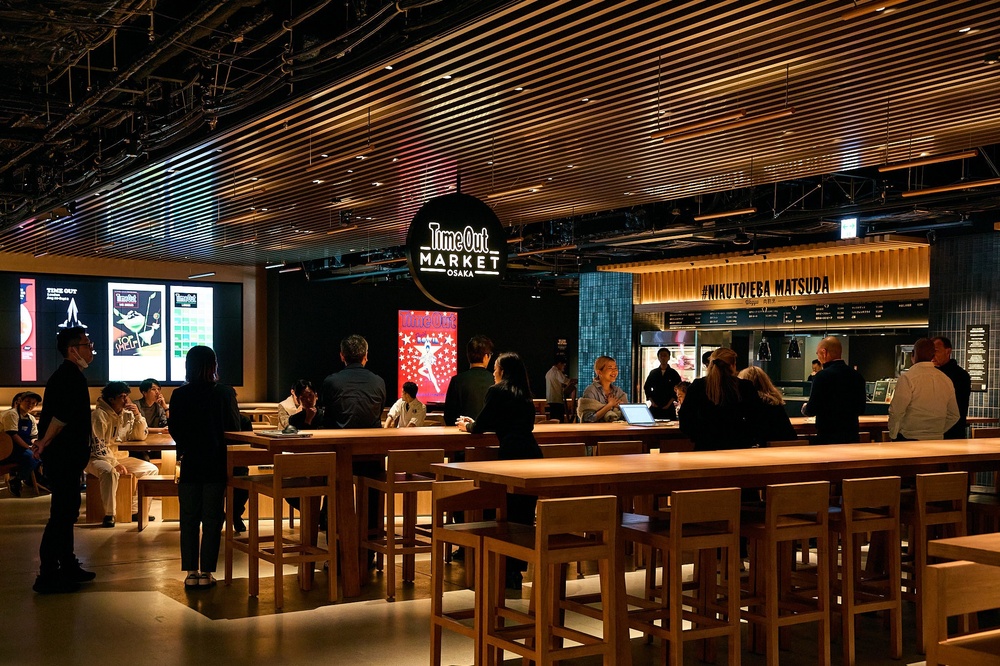
New Time Out Osaka – Photo Credit: TIME OUT
Time Out Market arrives in Osaka!
If you’ve decided to visit Grand Green Osaka, or you were at HEP Five or the Umeda Sky Building and start to feel hungry, there’s something you should know: Osaka is known across Japan as “the nation’s kitchen”, a city where people take their food seriously and proudly. From street snacks to fine dining, eating here isn’t just a meal, it’s part of the culture. That’s exactly why Time Out Market Osaka, which opened at the end of 2025, has quickly become one of the most exciting places to visit.
Carefully curated by the globally known city guide Time Out, the market brings together only the restaurants that have been personally reviewed and truly recognized as the best in Osaka. It’s like stepping inside a “living food guide”. In its spacious 3,000 m² venue, you’ll find a wide mix of top chefs, from Michelin-starred spots to local hidden gems that usually have long lines outside. No matter your taste, I’m sure you’ll be able to find something that will make you fall in love with Japanese food even more here.
And it’s not just about eating. The space also features several bars and a stage where local artists perform live, so you can enjoy music, drinks, and the lively energy Osaka is famous for. The experience is modern and easy; fully cashless payments, mobile ordering, and multilingual screens make it simple for visitors from around the world to order without stress.
For travelers, it’s the perfect way to experience Osaka’s food scene in one stop. Even if your time in the city is short, you can taste the very best of what this food-loving city has to offer, all in one place, at top quality, and in a fun, vibrant setting.
Address: Japan, 〒530-0011 Osaka, Kita Ward, Ofukacho, 5−54 Grand Green Osaka South Building B1F
Open Hours: 11 am – 11 pm, 7 days a week
Website: https://www.timeout.com/time-out-market-osaka
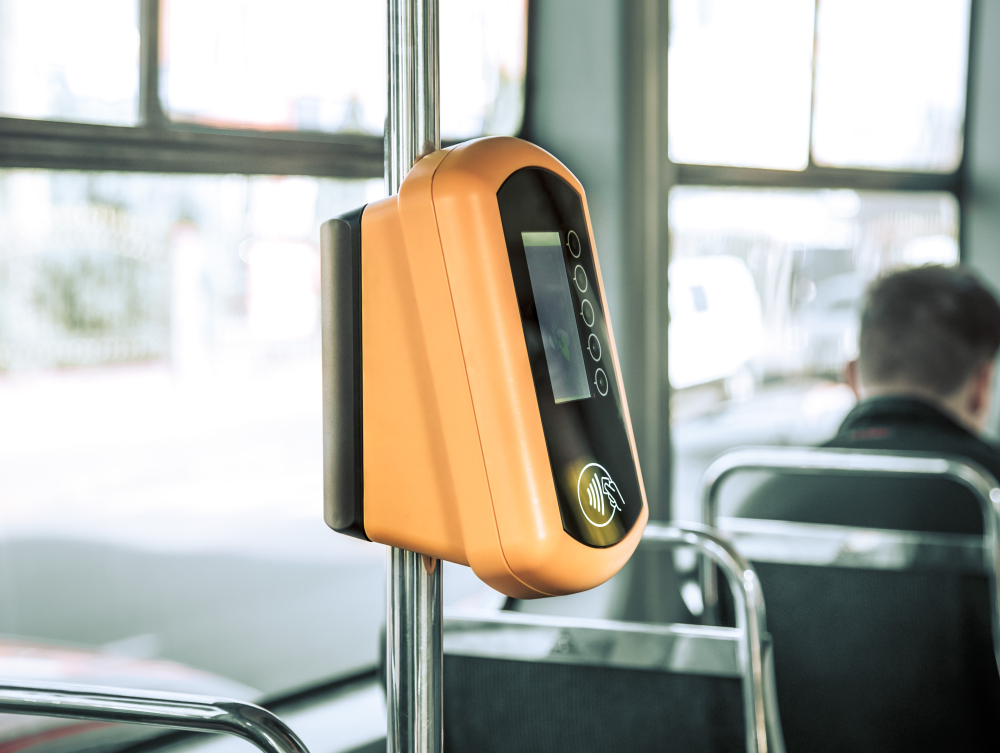
Automatic contactless payment for public transport – Photo Credit: PV productions
Smarter Public Transport and Easy Cashless Travel
Osaka Metro, city buses, and the main private train lines in the Kansai area have upgraded their systems for the 2025 Expo, making getting around the city easier than ever. As of 2026, you don’t need to line up at ticket machines anymore. Just tap your contactless card (like Visa, Mastercard, or JCB) or use your smartphone, and you’re good to go.
This change also helps reduce crowding at stations, especially from visitors who might not know how to buy tickets. Everything moves faster and more smoothly. Ticket gates now have clear digital screens that show fares and routes in real time, in multiple languages, making it easy to understand where you’re going and how much it costs.
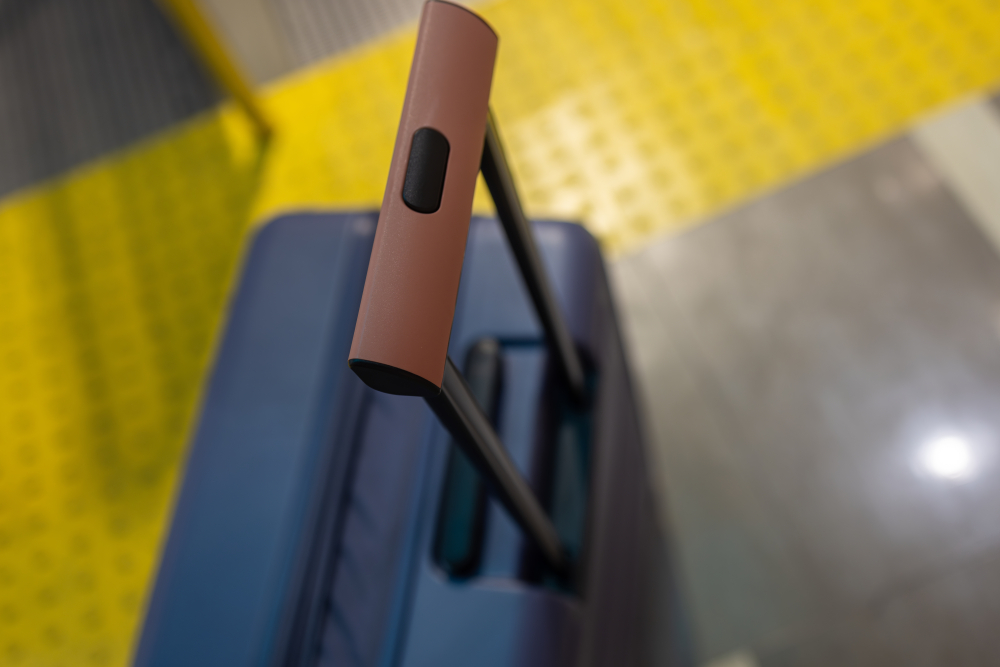
A large suitcase at a metro station – Photo Credit: POV_artist
Measures Against Overtourism: Restrictions on Large Luggage
Just like Kyoto, Osaka has taken strict steps to reduce serious congestion problems, especially regarding large luggage on public transportation. Starting in January 2026, passengers are strongly encouraged to avoid bringing large suitcases, those with total dimensions exceeding 160 cm, onto especially crowded bus routes such as the Osaka Castle Namba Line.
As a result, major stations, including Osaka, Namba, and Tennoji, have significantly expanded their same-day luggage delivery counters. For ¥1,200 to ¥1,800 per item, luggage can be delivered directly to hotels. Using this service and traveling light on public transportation has become the new standard of good manners for visitors to Osaka. If you want to learn more about this kind of service, click here.
Website: https://osaka-info.jp/en/handsfreetravel-osaka/

A couple being assisted at the reception desk – Photo Credit: DC Studio
Introduction of a Progressive Accommodation Tax and Increased Costs
When you stay overnight at a hotel, inn, guesthouse, or other type of lodging in Osaka, you may be asked to pay a small accommodation tax in addition to the cost of your room. This tax helps the prefecture improve tourism services and make the area more comfortable and attractive for visitors. Since September 1, 2025, the tax amount depends on the room price per person per night (not including meals, consumption tax, or optional services). If the room costs less than ¥5,000 per person per night, there is no tax. If it costs between ¥5,000 and ¥14,999, the tax is ¥200. For ¥15,000 to ¥19,999, the tax is ¥400. For ¥20,000 or more, the tax is ¥500.
The accommodation collects the tax from you at check-in or check-out and pays it directly to the prefecture, so you do not need to complete any extra procedures. Some special cases, such as certain school trips during major events, may qualify for exemptions. Overall, it’s a small additional fee, but it’s important to include it in your travel budget when planning your stay in Osaka.

A digital rendering showing Yumeshima’s planned appearance in 2030 – Photo Credit: MGM Osaka
Post-Expo Yumeshima: A New Beginning
After the Kansai Expo closed in October 2025, Yumeshima quickly entered a new stage in 2026 as the “Expo Legacy Zone”. The island is no longer just a former event site; it now serves both as a large-scale construction area for the Integrated Resort (IR) scheduled to open in 2030 and as a real-world testing ground for advanced technologies introduced during the Expo. One major legacy is the continued operation of Level 4 autonomous buses, which now run 24 hours a day between Cosmosquare Station and key facilities on the island, offering visitors a firsthand experience of driverless mobility powered by 5G networks.
At the same time, parts of the Expo site have been preserved and repurposed instead of being demolished. Sustainable pavilions built with cross-laminated timber (CLT) and recycled materials now function as research centers and satellite offices, serving as examples of carbon-neutral urban planning. Meanwhile, the most visible transformation is the ongoing IR construction in the northern area, led by MGM Resorts and Orix, where a casino, convention center, and luxury hotels are steadily taking shape. As development advances, security systems such as facial recognition and biometric gates are being tested, while new green spaces inspired by the Expo’s Grand Ring concept are being created.
Address: 1 Chome Konohana Ward, Osaka, 554-0044
Website: https://mgmosaka.co.jp/en/
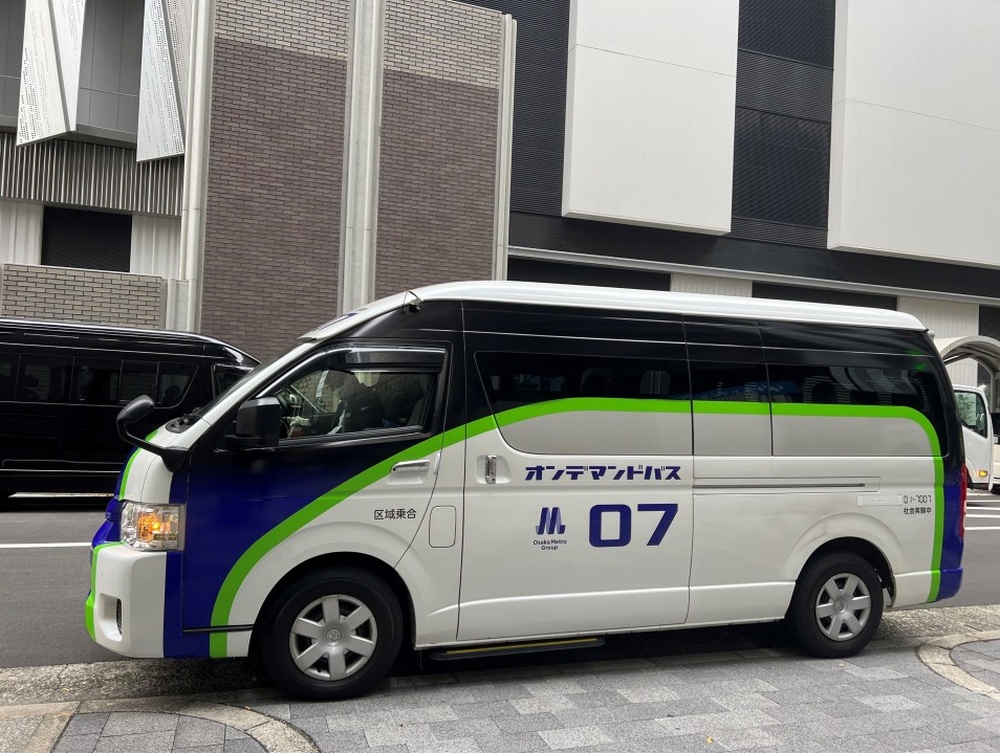
On-demand bus for up to eight passengers – Photo Credit: Mobilish
On-Demand Bus: The Easiest Way to Travel
This year, getting around Osaka has become easier and smarter than ever. Instead of relying only on traditional buses that follow fixed routes, visitors can now use AI-powered “on-demand buses.” What started as a small trial service in a few neighborhoods has expanded after the 2025 Expo, and today it covers all 24 wards of Osaka city. The idea is simple but powerful: open the “e METRO” app on your smartphone, enter your destination, and the system sends a bus to a nearby pickup point within minutes. The AI chooses the best route automatically, creating a smooth and personalized travel experience.
Each vehicle has a maximum capacity of eight passengers, and depending on the number of people in your group, you may be picked up by a minivan or a regular car. This flexible system allows the service to adapt efficiently to demand while keeping rides comfortable and convenient.
For tourists, the biggest benefit is definitely this flexibility. You can easily reach charming hidden spots that regular buses don’t serve well, like cozy cafés inside renovated old townhouses, quiet temples tucked away from main streets, or small art galleries in back alleys. The price is affordable (around ¥300 for adults in central Osaka), making it much cheaper than a taxi while still saving you from long walks, especially helpful if you’re carrying luggage or following a tight sightseeing schedule.
Using the service is simple: download the app in advance and register your credit card for cashless payment. Many visitors now combine the subway with on-demand buses to avoid crowds and move around the city efficiently, almost like locals. In busy areas, it’s smart to book your ride as soon as you know where you’re heading.
Website: https://maas.osakametro.co.jp/odb/about/ (in Japanese)
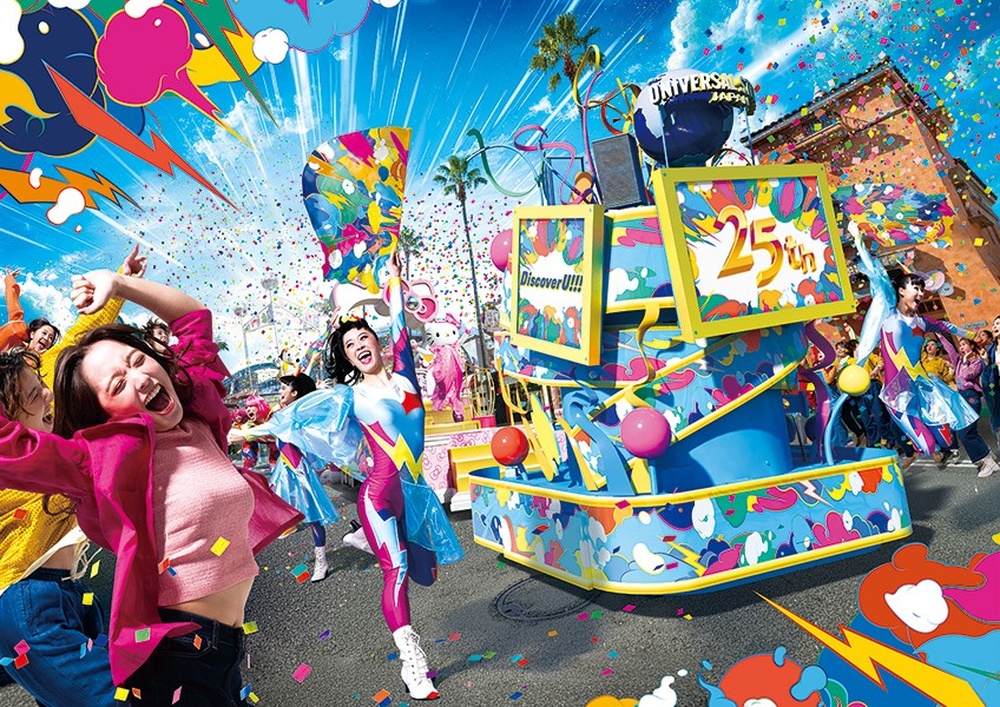
NO LIMIT! Parade: Discover U!!! Version – Photo Credit: USJ
Universal Studios Japan: 25th Anniversary Innovations
In March 2026, Universal Studios Japan celebrated its 25th anniversary, bringing unprecedented excitement to the park. For the anniversary year, new immersive parades using advanced AR (augmented reality) technology have been introduced, along with expansions to popular themed areas.
To manage crowds, stricter timed-entry controls are now in place. Securing an “e-numbered ticket” in advance through the official app has become essential for a successful visit. Same-day tickets are extremely difficult to obtain, so booking several months in advance is strongly recommended.
Website: https://www.usj.co.jp/web/en/us/25th-anniversary-discover-u
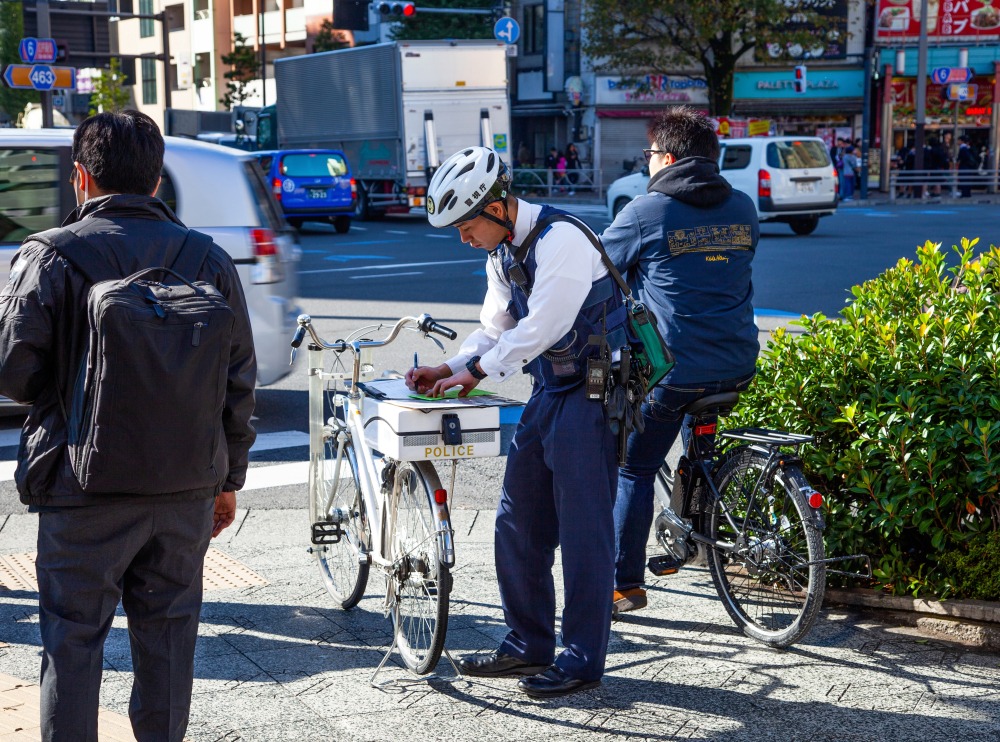
A police officer on a bicycle writes a ticket to another cyclist – Photo Credit: LilyRosePhotos
New Bicycle Rules for Visitors to Osaka
Starting April 1, Japan will begin strictly enforcing tougher bicycle rules. The new measures are serious. Cyclists aged 16 and older can now receive fines for breaking traffic rules such as running red lights, not stopping when required, using a smartphone while riding, or cycling on the wrong side of the road. The penalties are not small. Using a smartphone while riding can cost around ¥12,000, while running a red light or riding against traffic may result in a fine of about ¥6,000.
Tourists who rent bicycles are not treated differently, and police can issue tickets immediately. To avoid problems, it’s important to follow Japan’s traffic rules carefully, ride on the left side of the road, and always give priority to pedestrians.
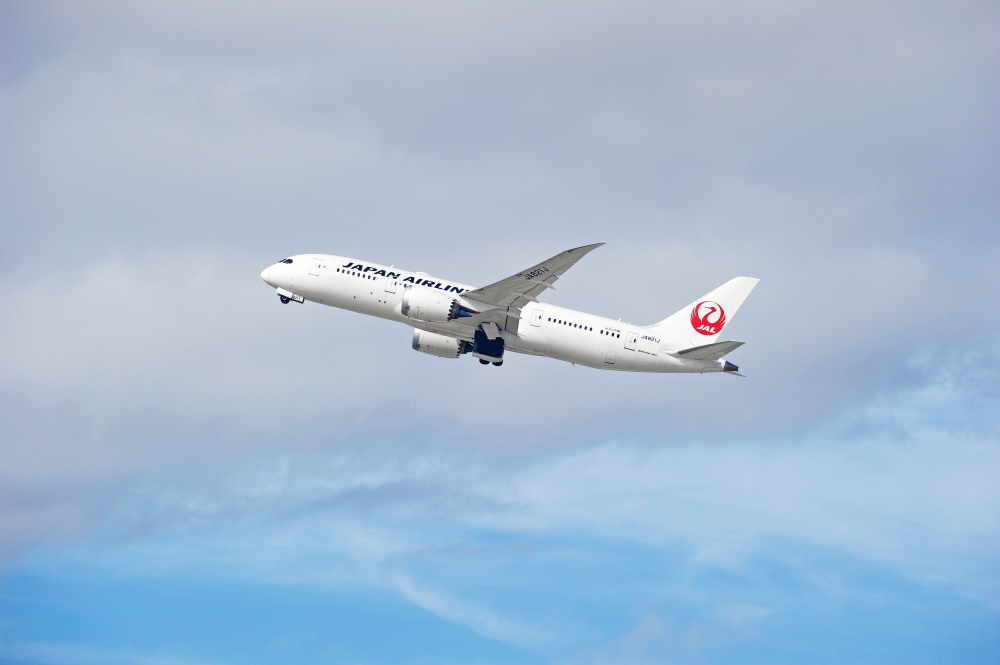
Departing Flight – Photo Credit: Philip Pilosian
Tripled Departure Tax
Starting July 1, Japan will raise its International Tourist Tax from ¥1,000 to ¥3,000 per person. The fee applies to everyone aged two and older who leaves Japan by plane or cruise ship, whether they are tourists, foreign residents, or Japanese citizens. Travelers won’t have to pay it separately, as the tax is automatically included in the price of international tickets. Transit passengers who depart within 24 hours of arrival are exempt. The government says the increase, approved in the FY2026 Tax Reform Outline, is meant to address overtourism following the 2025 Osaka Expo, with the expected ¥130 billion in annual revenue funding improvements such as multilingual support, better public facilities, and digital systems to help manage crowds more effectively.
Osaka in 2026 is a city in transition: modern, innovative, and more prepared than ever for global visitors. While some changes may require a little adjustment, they’re all part of a bigger effort to create a better balance between tourism and daily life. If you travel informed and stay flexible, you’ll discover that Osaka remains what it has always been: energetic, welcoming, and full of unforgettable experiences. Plan smart, travel light, and enjoy everything this new Osaka has to offer!
Featured Photo Credit: PR Image Factory
Looking for more ways to explore Japan’s Culinary Capital? Check out our full list of Osaka Tours to start discovering Osaka through the eyes of locals, hidden gems, food, culture and all!
PIN THIS FOR LATER