Japan always finds new ways to surprise you. Just when you think you’ve seen everything, from bright city lights and peaceful temples to small mountain towns and sunny beaches, it shows you something completely different. This third part of our journey through Japan’s hidden places explores even more spots that many travelers miss. These aren’t just quick stops along the way; they’re unique places where local culture is alive, nature is beautiful, and every experience feels warm and personal. If you missed Part 1 and Part 2 of this blog, make sure to check them out here before diving in.
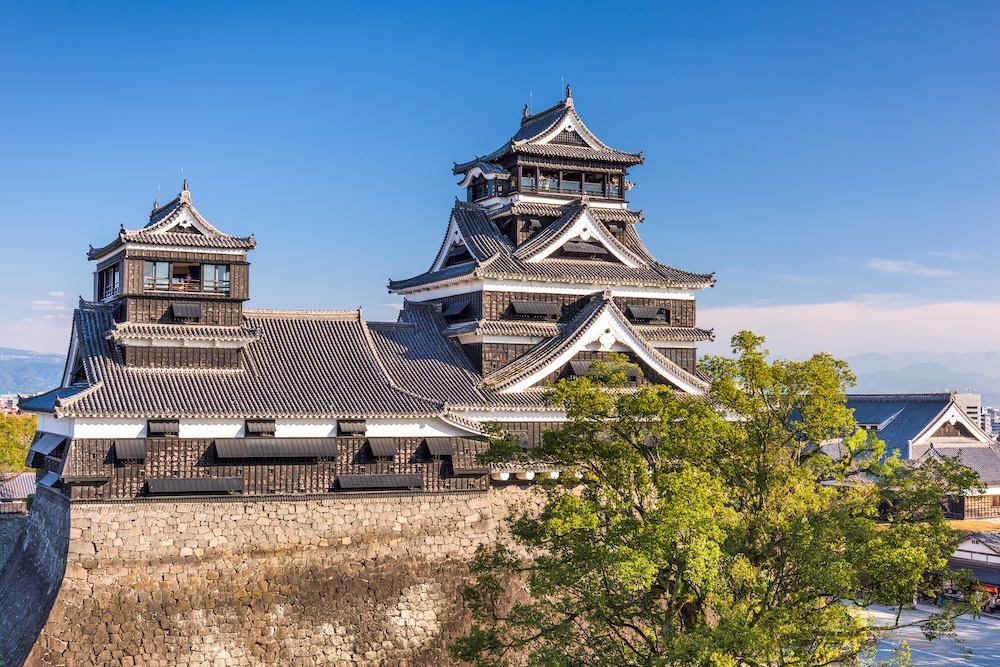
Kumamoto Castle, one of Japan’s most famous fortresses – Photo Credit: Sean Pavone
Kumamoto
Kumamoto is a region that quietly embodies strength and grace. Home to the majestic Kumamoto Castle, one of Japan’s most famous fortresses, it’s a city that beautifully blends history and culture. After the 2016 earthquake, the restoration efforts became a symbol of community resilience, and walking through the castle park today feels like stepping into a story of both heritage and hope. Nearby, the charming Sakura-no-baba Josaien district offers traditional snacks, local crafts, and a glimpse into old castle-town life.
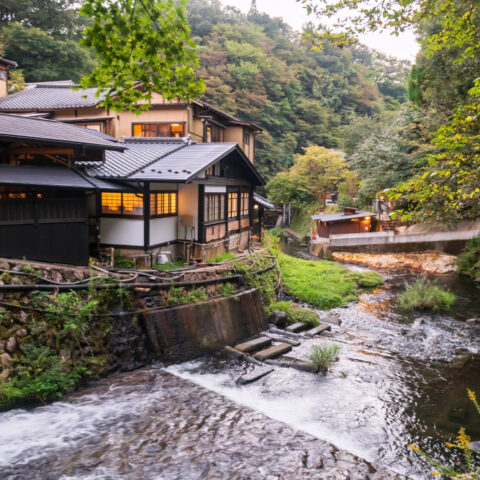
Just beyond the city lies the vast Mount Aso region, a surreal landscape shaped by one of the world’s largest volcanic calderas. Rolling green hills lead to volcanic cliffs, scenic walking trails, and relaxing hot spring towns like Kurokawa Onsen, where wooden inns and quiet stone paths create the perfect getaway. Travelers can also stop by Daikanbo Lookout for wide views over the Aso plains or enjoy a peaceful walk through Kusasenri, a vast grassland where horses graze beneath the mountains.
For a slower pace, the seaside town of Amakusa offers hidden beaches, dolphin-watching cruises, and quiet fishing villages with strong Christian history dating back centuries. Nature lovers can also explore Nabegataki Falls, a magical curtain-like waterfall where visitors can walk behind the flowing water.
Food lovers will be in heaven here: Kumamoto ramen, with its rich garlic oil flavor, is comfort in a bowl, while local wagyu beef and horse sashimi (basashi) offer a glimpse into the region’s bold culinary traditions. Fresh seafood from the Amakusa islands and seasonal fruits like juicy watermelon and dekopon citrus add even more flavor to the experience.
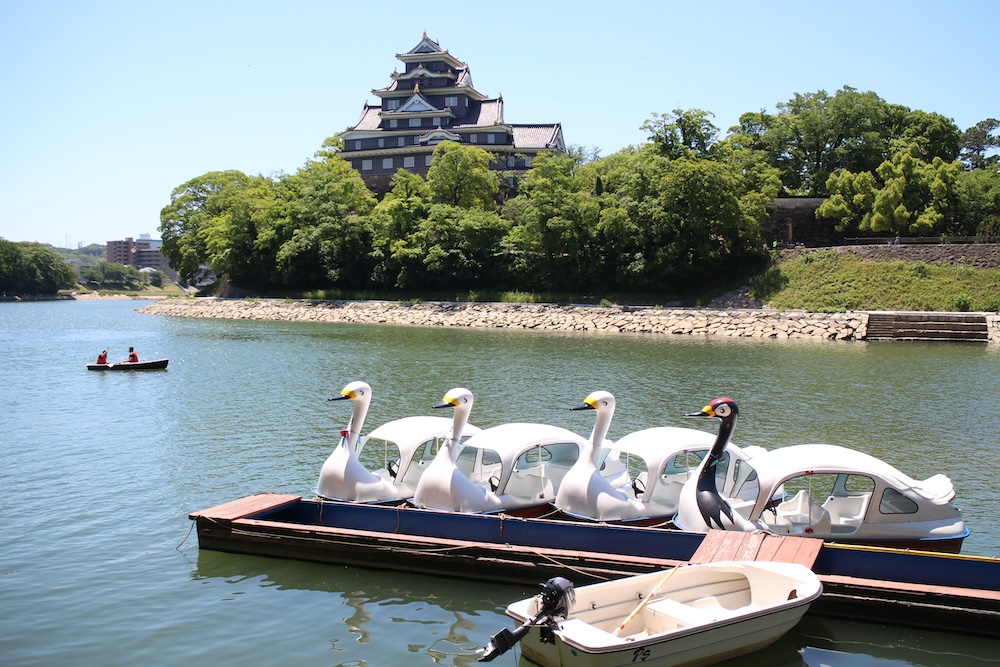
The Korakuen Garden with Okayama Castle in the background – Photo Credit: Windyboy
Okayama
Often missed by travelers heading between Osaka and Hiroshima, Okayama is a city full of quiet charm. Its biggest highlight is Korakuen, one of Japan’s “Three Great Gardens,” known for its peaceful ponds, tea houses, and beautiful views of the nearby castle. Just across the river stands Okayama Castle, famous for its striking black exterior and sweeping views over the city, while also offering a glimpse into the area’s samurai past.
A short train ride away is Kurashiki, a beautifully preserved canal town that feels straight out of a woodblock print. White-walled storehouses now house boutique cafés, artisan shops, and galleries, while willow-lined waterways invite slow afternoon strolls. Visitors can even take a traditional boat ride along the canal for a quieter view of the historic district. The Ohara Museum of Art, Japan’s first museum dedicated to Western art, is another hidden gem, featuring works by Monet, El Greco, and Picasso that give this small town an unexpectedly cosmopolitan atmosphere.
Beyond the cities, Okayama Prefecture offers beautiful countryside escapes. Nature lovers can visit the Hiruzen Highlands for rolling green landscapes and cycling routes, while history enthusiasts may enjoy wandering through the old merchant streets of Takahashi or exploring the hilltop ruins of Bitchu Matsuyama Castle, one of Japan’s few surviving original castles. On nearby Inujima Island, contemporary art installations and abandoned copper refinery ruins create a striking mix of history and modern creativity.
Okayama’s local specialties are just as memorable as its scenery. The region is famous for its juicy white peaches and muscat grapes, both so sweet they practically redefine dessert. In summer, locals often gift these premium fruits as a symbol of affection and good fortune. Seafood from the Seto Inland Sea, especially fresh sushi and grilled fish, adds another delicious layer to the Okayama experience.
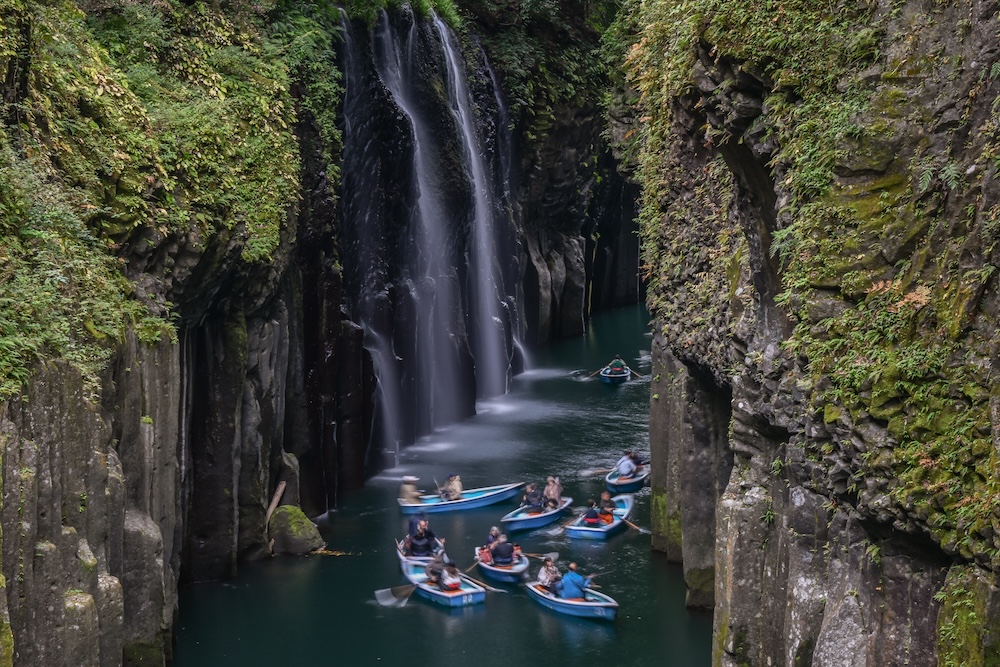
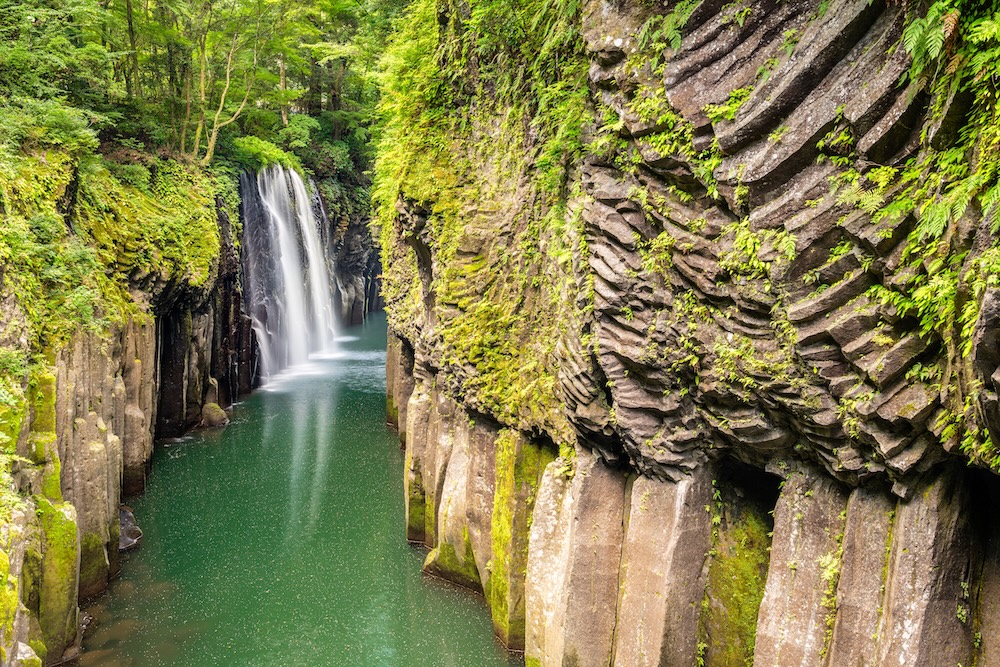
Scenic trail leading to Takachiho Gorge with boats – Photo Credit: weniliou
Miyazaki
Miyazaki feels like one of Japan’s hidden gems, sunny, green, and full of natural beauty. Once famous as Japan’s honeymoon destination, the region is now attracting travelers again with its stunning scenery and strong connection to ancient legends.
One of Miyazaki’s most beautiful spots is Takachiho Gorge, a narrow canyon surrounded by high volcanic cliffs and flowing green waters. Renting a small boat and drifting through the gorge is a calm and unforgettable experience. Nearby, Manai Falls adds even more beauty with its waterfall flowing directly into the river below.
Miyazaki is also deeply tied to Japan’s oldest myths. Hidden in the forest, Amanoiwato Shrine is believed to be connected to the legend of the sun goddess Amaterasu and has a peaceful, spiritual atmosphere. In Takachiho, travelers can also watch traditional kagura dances, where local performers tell ancient stories through music and ritual.
The coast shows a completely different side of Miyazaki. Aoshima is known for its relaxed surf culture, tropical scenery, and the unusual rock formations called the “Devil’s Washboard,” which stretch along the shoreline in wave-like patterns. The small island shrine surrounded by palm trees and subtropical plants gives the area a tropical feel rarely seen in mainland Japan. A drive along the Nichinan Coast is especially beautiful at sunset, with ocean views, swaying palm trees, and quiet seaside cafés.
For nature lovers, the nearby Kirishima Mountains offer hiking trails, volcanic scenery, and hot springs hidden in the forests. Another unique spiritual spot is Udo Shrine, built inside a seaside cave overlooking the ocean.
Miyazaki is also famous for its food. Miyazaki beef is considered some of the best wagyu in the country, known for its rich flavor and soft texture. Chicken nanban, the region’s popular comfort food, combines crispy fried chicken with tangy sauce and creamy tartar sauce. Thanks to the warm climate, Miyazaki is also known for sweet tropical fruits like mangoes and citrus.
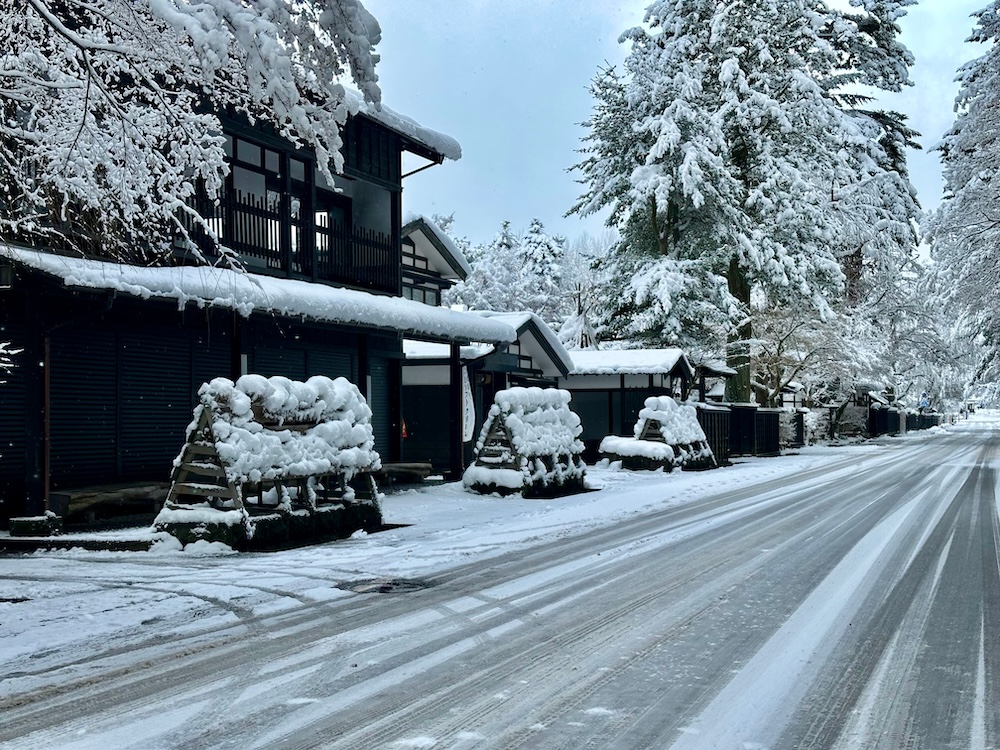
Area around the Kakunodate Bukeyashiki, a former samurai residences – Photo Credit: Applepy
Akita
If peace and authenticity are what you’re after, Akita delivers it in quiet abundance. Located in Japan’s northern Tohoku region, it’s a land of rice fields, deep winter snow, and warm hospitality. The historic town of Kakunodate Samurai District is often called the “Little Kyoto of the North” thanks to its beautifully preserved samurai residences and traditional atmosphere. Walking beneath its cherry blossom-lined streets in spring, with dark wooden homes still standing after centuries, feels like stepping into another era. Autumn is just as stunning, when the town glows with fiery red and gold leaves.
Not far away lies Lake Tazawa, Japan’s deepest lake, famous for its striking cobalt-blue waters and the legend of Princess Tatsuko, said to have wished for eternal beauty. The peaceful lakeside roads, quiet shrines, and mountain scenery make it a perfect escape into nature. Nearby, visitors can relax in the Nyuto Onsen hot spring villages, where rustic wooden baths sit hidden among snowy forests and steaming mountain landscapes.
Winter in Akita reveals an entirely different side of the region. In Oga Peninsula, the famous Namahage Festival brings local folklore vividly to life as fierce ogre-like figures visit homes to warn away laziness and bad spirits. It’s dramatic, loud, and unforgettable, a rare chance to witness traditions that have survived for generations. Snow-covered villages and frozen landscapes during this season make Akita feel almost dreamlike.
Akita’s comfort food perfectly matches the region’s calm and soulful atmosphere. Kiritanpo, pounded rice wrapped around cedar sticks and grilled before being simmered in savory broth, is one of the prefecture’s signature dishes. Akita is also celebrated for its premium rice and sake, brewed with pure mountain water and crisp northern air. Together, they create meals that warm you from the inside out, especially after a snowy day exploring the countryside.
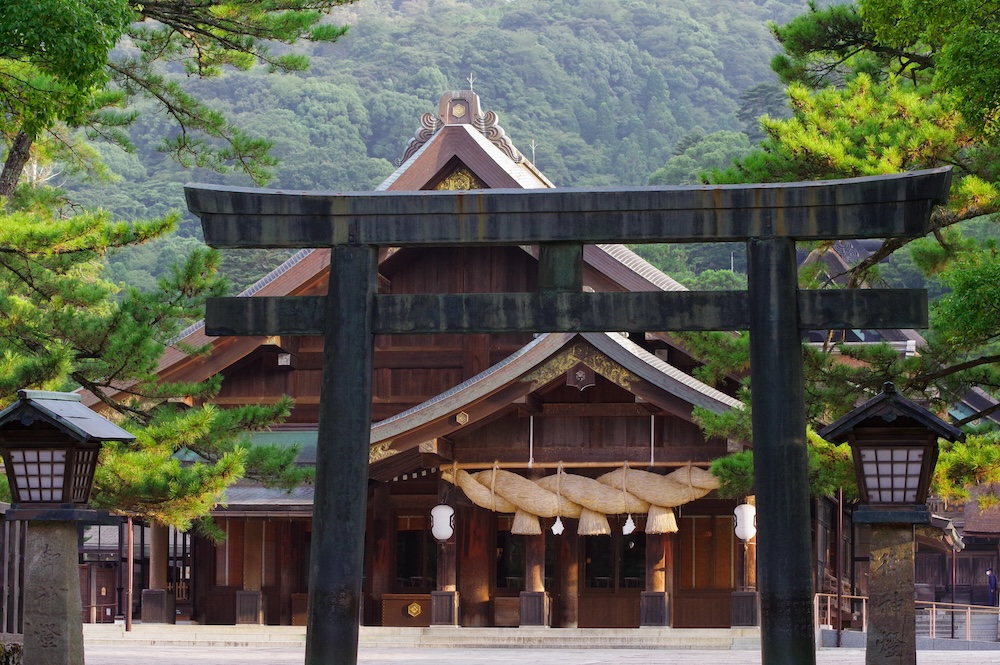
Izumo Taisha Shrine in Izumo City – Photo Credit: beauty-box
Shimane
Shimane might just be Japan’s most quietly mystical prefecture. Home to Izumo Taisha, one of the country’s oldest and most sacred Shinto shrines, it’s believed to be the place where all the gods of Japan gather once a year. The spiritual atmosphere feels almost tangible, carried through ancient cedar forests, ocean breezes, and the quiet rhythm of shrine rituals. Walking along the shrine’s massive straw ropes and peaceful pathways offers a deep sense of calm that stays with you long after your visit.
Nearby, Matsue Castle, one of Japan’s few remaining original castles, rises above a network of canals where traditional boat rides drift beneath stone bridges and weeping willow trees. The surrounding castle town feels timeless, with preserved samurai residences, quiet tea houses, and old merchant streets that invite slow exploration. Literature lovers can also visit the former home of Lafcadio Hearn, the Irish-Greek writer who became deeply enchanted by Japan’s culture and folklore after settling in Matsue.
For coastal scenery, Hinomisaki Lighthouse stands dramatically above the rugged Sea of Japan, offering sweeping ocean views and unforgettable sunsets that paint the cliffs in gold and orange. Nearby, the sacred island of Inasa Beach is especially beautiful at dusk and is closely tied to the legends surrounding Izumo Taisha. Nature lovers can also explore the dramatic rock formations and hidden coves scattered along Shimane’s coastline, where fishing villages and quiet harbors reveal a slower side of Japan rarely seen by international travelers.
History enthusiasts should not miss the Iwami Ginzan Silver Mine, a UNESCO World Heritage Site tucked deep in the mountains. Once one of the world’s most productive silver mines, today it’s a peaceful area of forest trails, preserved mining towns, and traditional wooden homes that feel untouched by time.
Shimane’s food culture reflects the prefecture’s understated elegance. Izumo soba, served in layered lacquer bowls, is one of the region’s most beloved specialties, known for its rich flavor and rustic texture. Delicate wagashi sweets paired with matcha tea are deeply tied to Matsue’s tea culture, while fresh seafood from the Sea of Japan, especially crab, oysters, and seasonal fish, brings incredible freshness to every meal.
Japan has so much more to offer beyond the bright lights of Tokyo, the temples of Kyoto, and the energy of Osaka. From peaceful hot spring towns and dramatic volcanic landscapes to coastal drives, ancient forests, and cities rich in local culture, these lesser-known destinations reveal a quieter and more personal side of the country.
Featured Photo Credit: Sean Pavone