The four seasons play a huge role in shaping daily life in Japan. They influence the country’s celebrations, literature, culture and more. Over the centuries, artists and aristocrats have helped reinforce the motifs associated with every season. For instance, Japanese haiku about the spring would mention the sakura or cherry blossoms, and those about the summer would mention the cry of a cicada. Like these poems, as the seasons changed, the Japanese sweets or wagashi also changed in texture, shape and taste.
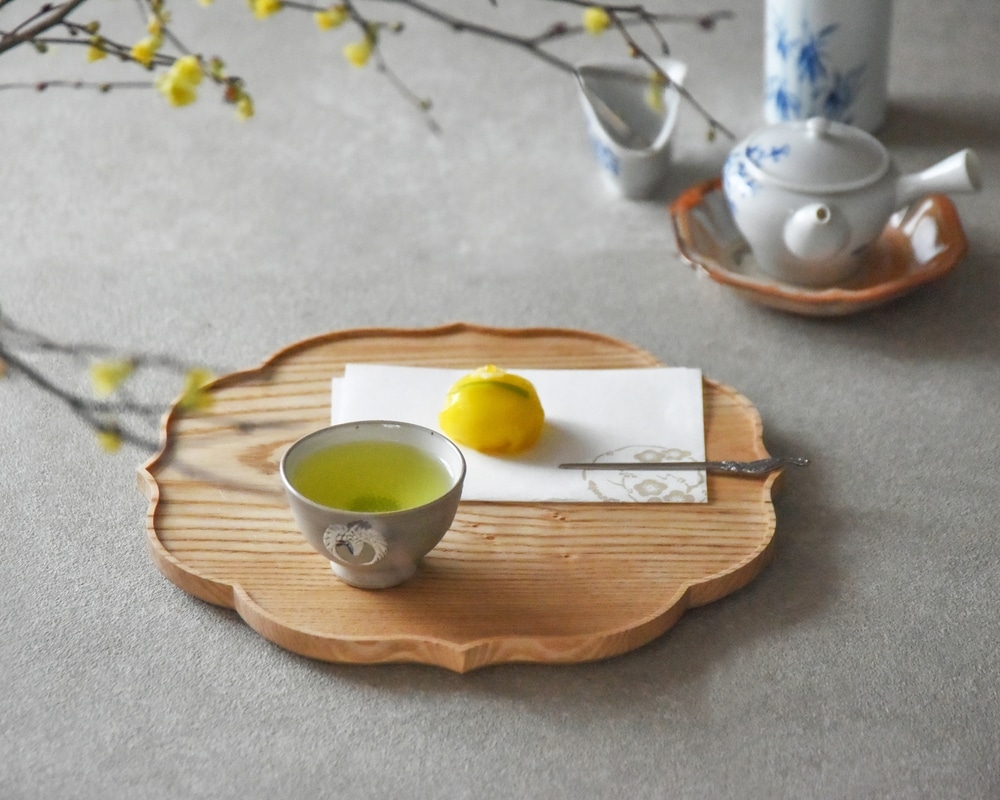
Sencha green tea with a sweet wagashi – Credit: kiwaha
Originally, as basic as powdered nuts, then mixed with other ingredients and eaten along with green tea to complement its bitter taste, wagashi have evolved over the years into more sophisticated forms. The basic ingredients – bean paste, glutinous rice flour, sugar and agar – are combined in various ways to create many different kinds of sweets.
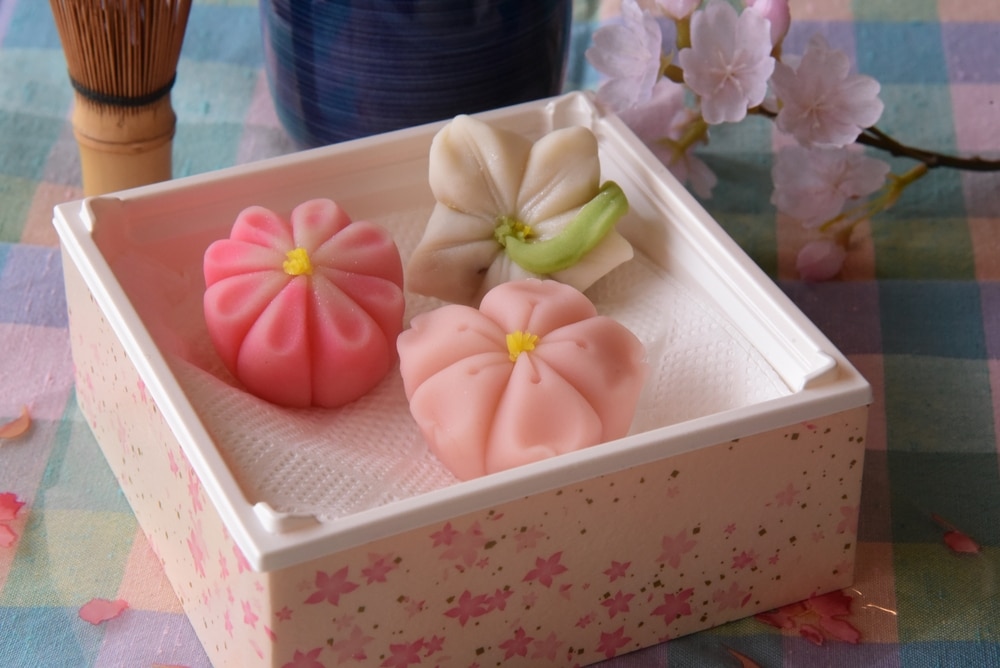
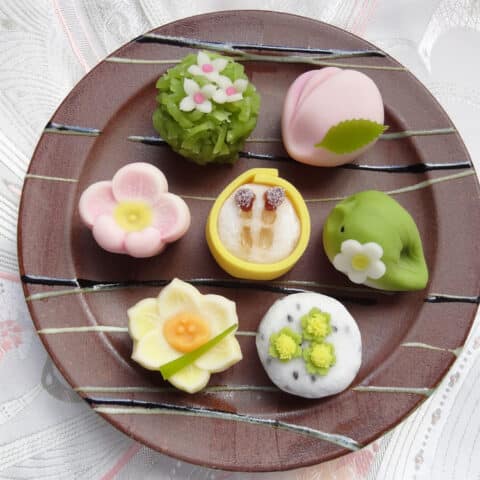
Beautifully crafted spring-themed wagashi – Credit: Kathy Matsunami
Wagashi in Spring
In springtime, cherry blossoms bloom across Japan, and the wagashi reflect this. Hana-fubuki (shower of blossoms) are made of white bean paste and are meant to show the beauty of falling cherry blossoms.
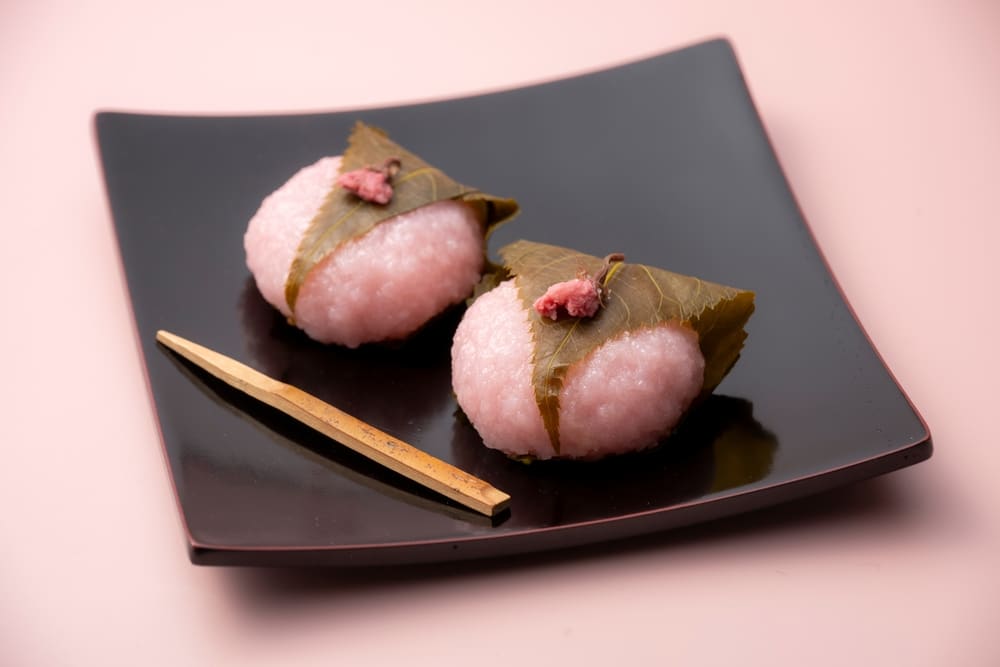
A pair of deliciously pink sakura mochi – Credit: Chiristsumo
Sakura-mochi (cherry blossom rice cake) is another popular spring wagashi. Anko or red bean paste is wrapped in pink-colored mochi and covered with a leaf of the cherry blossom tree.
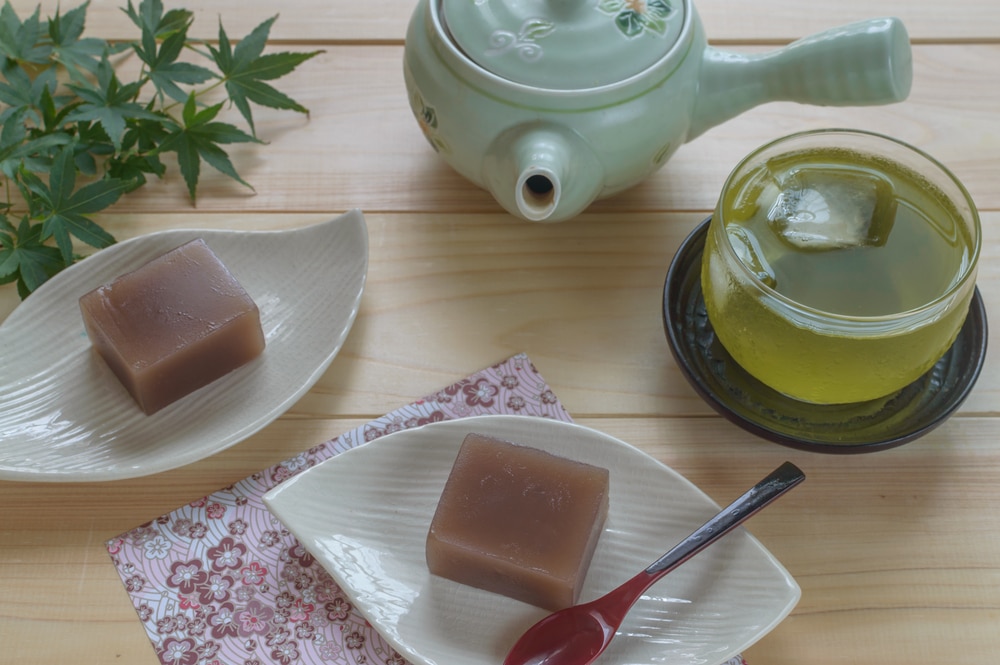
Two slices of Mizu Yokan served alongside some cold brew green tea – Credit Tataya Kudo
Wagashi in Summer
The long and humid summers of Japan are associated with wagashi that resemble water drops or contain higher amounts of water, so they are lighter than normal. For example, Mizu yokan has more water and a refreshing feel and texture.
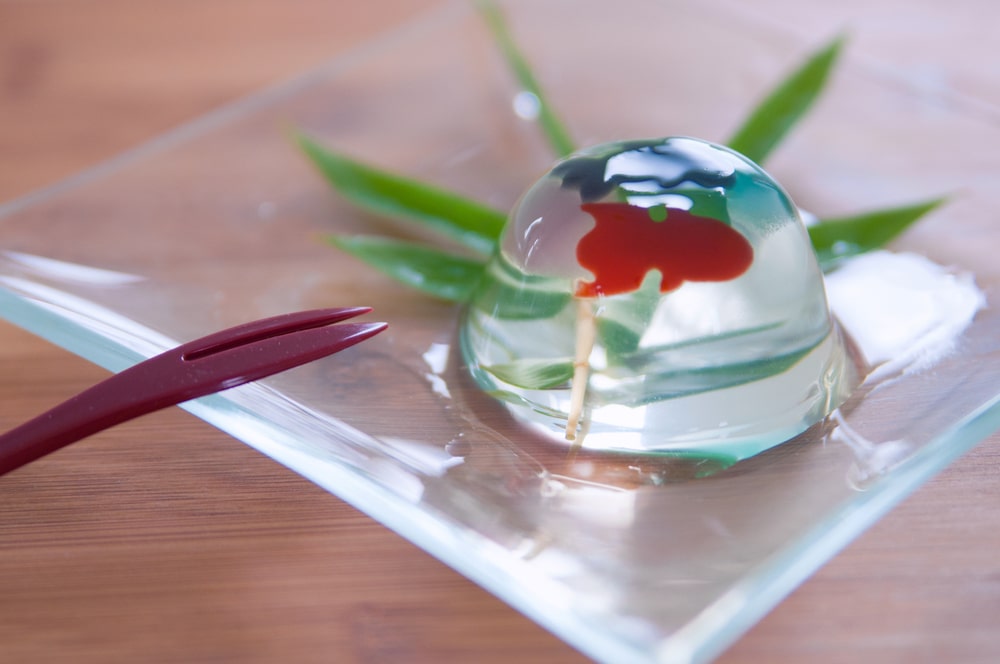
Refreshing and clear jelly with a little goldfish inside – Credit: karins
Kingyoku-kan are transparent sweets that take on a vast array of natural motifs, such as water containing goldfish. Like the mizu yokan, their light and smooth consistency is meant to create an impression of coolness for the consumer.
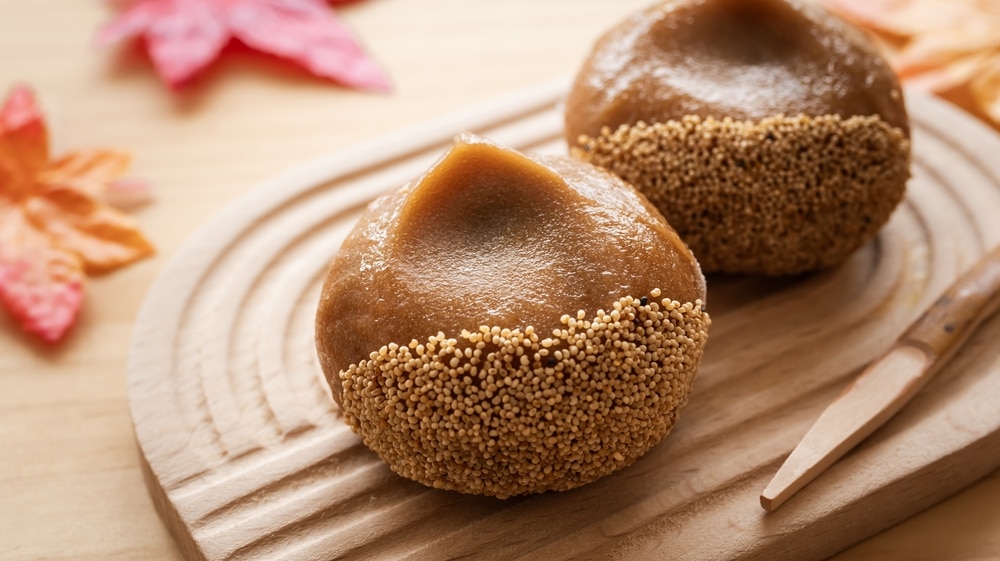
Delicate chestnut-flavoured sweet, perfect for Autumn – Credit: Shironagasukujira
Wagashi in Autumn
As the leaves on the trees start to change in colour, the wagashi are coloured orange or in warmer shades and shaped like leaves or fruits. Fall in Japan also means sweet potatoes, chestnuts, and persimmons, all of which are used to create various types.
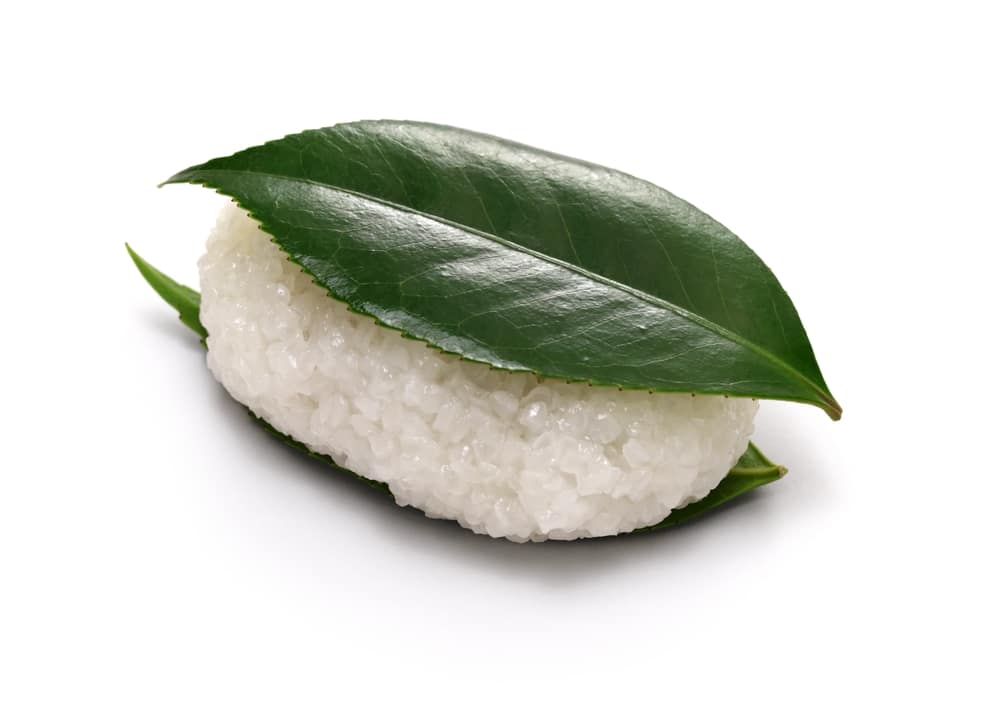
Tsubaki-domyoji, one of Japan’s oldest sweets – Credit: bonchan
Wagashi in Winter
Winter brings with it its own special wagashi, such as the snowball-like Tsubaki-domyoji, which also happens to be Japan’s oldest sweet!
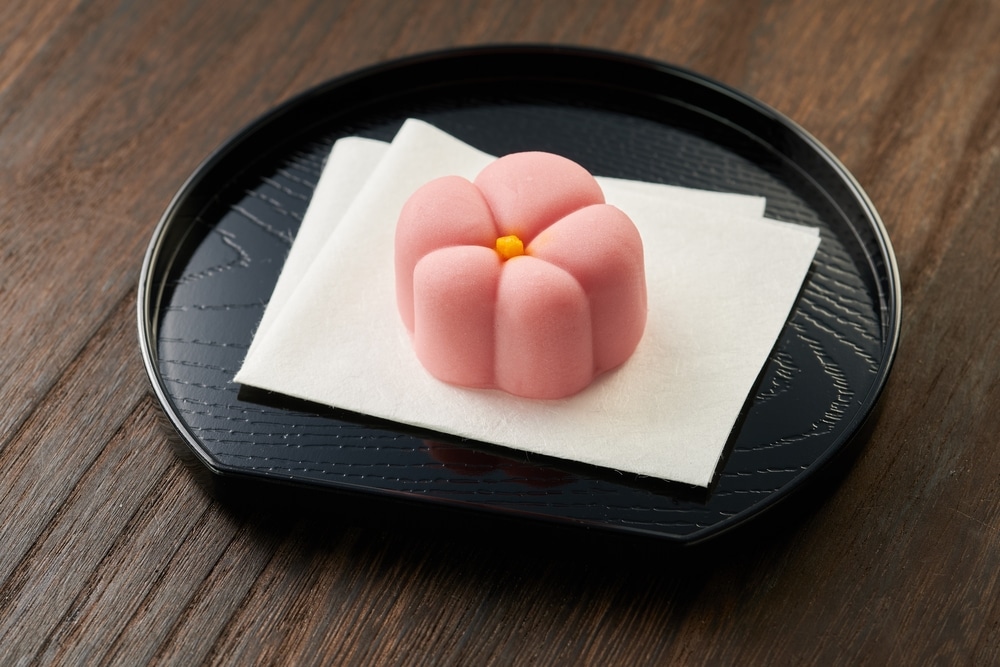
Traditional wagashi shaped like a plum flower – Credit: manbo-photo
Also, during this season, at the start of the new year, another special sort of wagashi called nerikiri ume, which is made by kneading red and white bean paste together to form the shape of a plum. These plum sweets are a common symbol of celebration during the New Year.
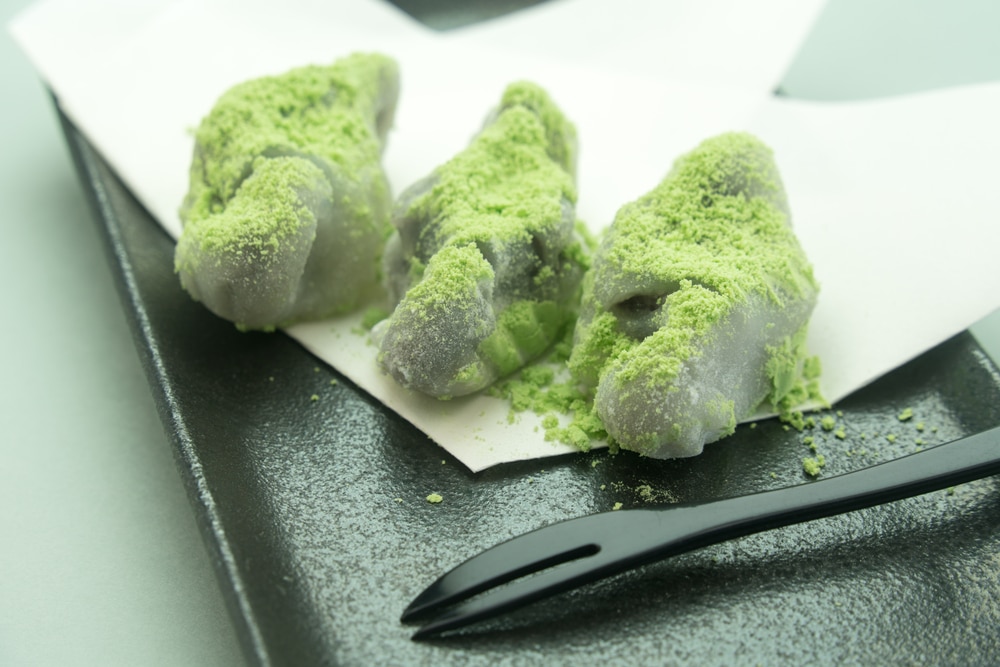
Uguisu mochi signalling the end of winter and beginning of spring – Credit: shutter_tonko
As winter draws to a close, the uguisu mochi (bush warbler mochi) is eaten to signal that spring is on its way.
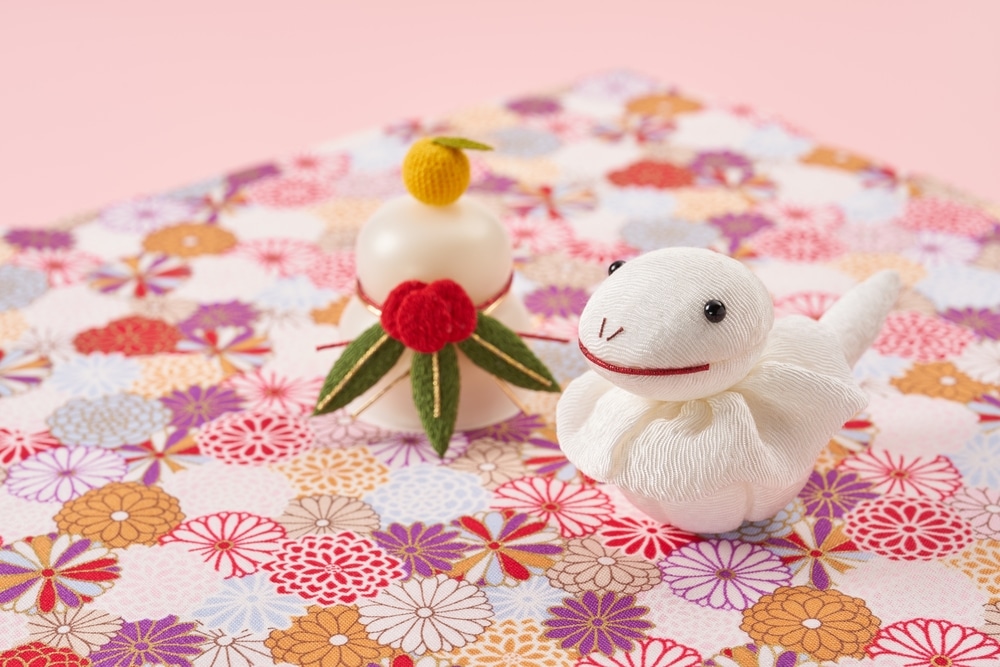
Traditional New Year’s mochi decoration with a snake, this year’s zodiac – Credit: manbo-photo
Other forms of Seasonal Wagashi
Wagashi also have a close relationship with Japan’s festivals celebrated throughout the year. Whether it is the last day of winter in the traditional calendar or Children’s Day, specific treats are enjoyed on these days. When the season ends, they cease to be sold in shops until next time.
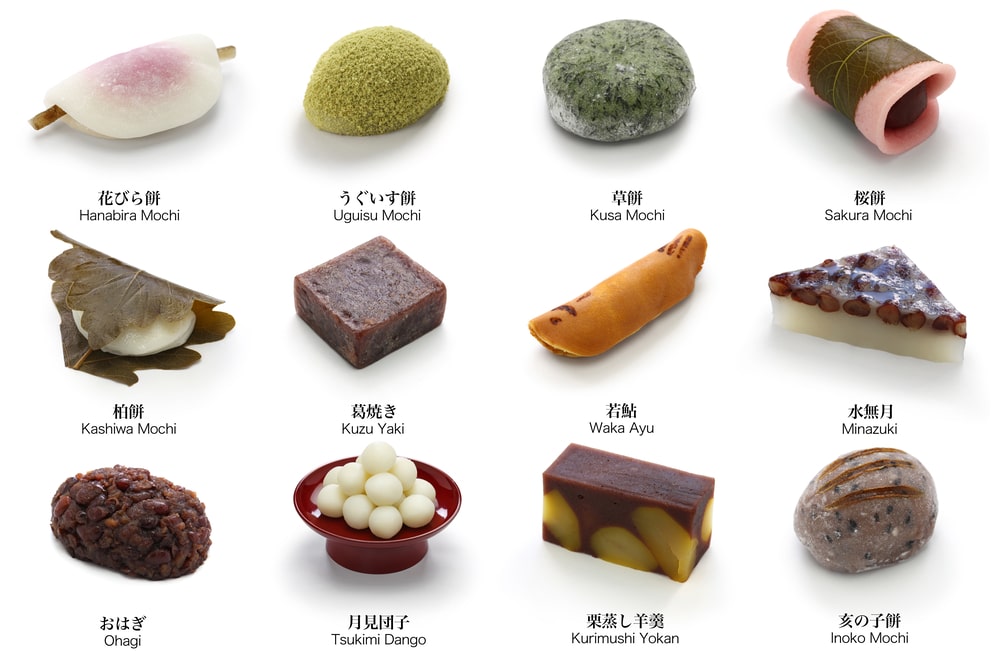
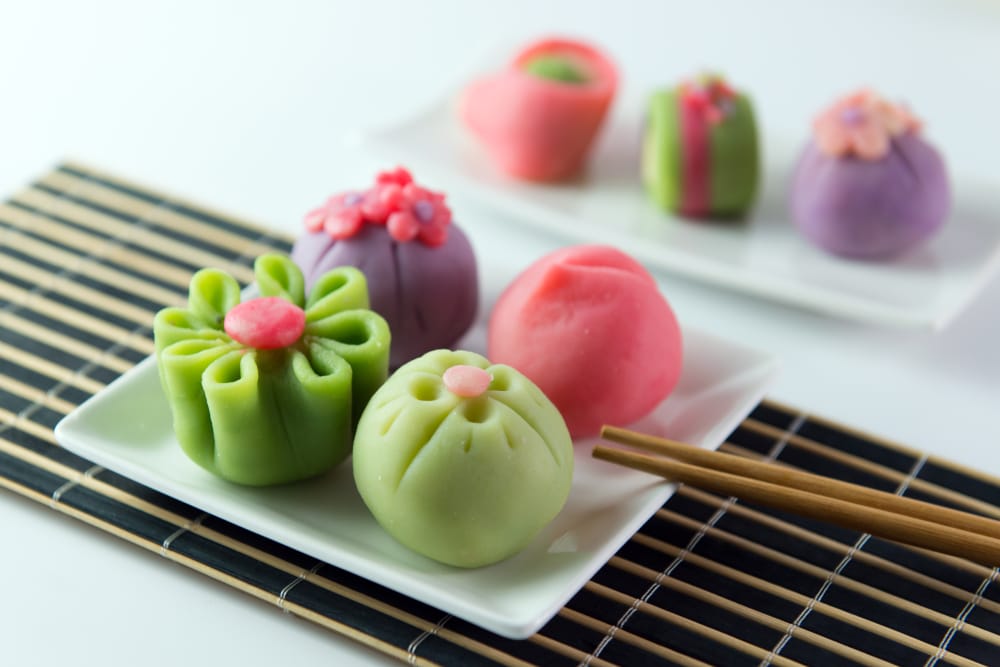
A variety of wagashi that are also used during tea ceremonies – Credit: bonchan
Some wagashi are made only for a specific season, and others express different aspects of a season. Apart from seasonal types, there are also some that can be enjoyed throughout the year, such as dorayaki, dango, or manju. These are very fulfilling too, but seasonal wagashi have a unique charm. They encapsulate the wonders of the seasons and suggest the passing of time. Not only are they used to welcome a new season, but they also mark various days of importance during that season and then indicate the coming of the next season. Nothing beats having your own delicious wagashi calendar that you can eat your way through!
Featured Photo Credit: Kenishirotie