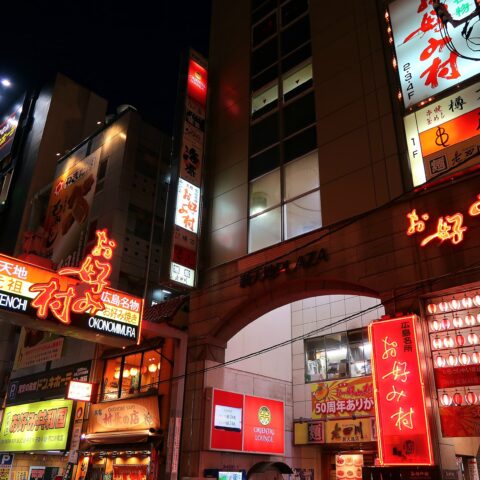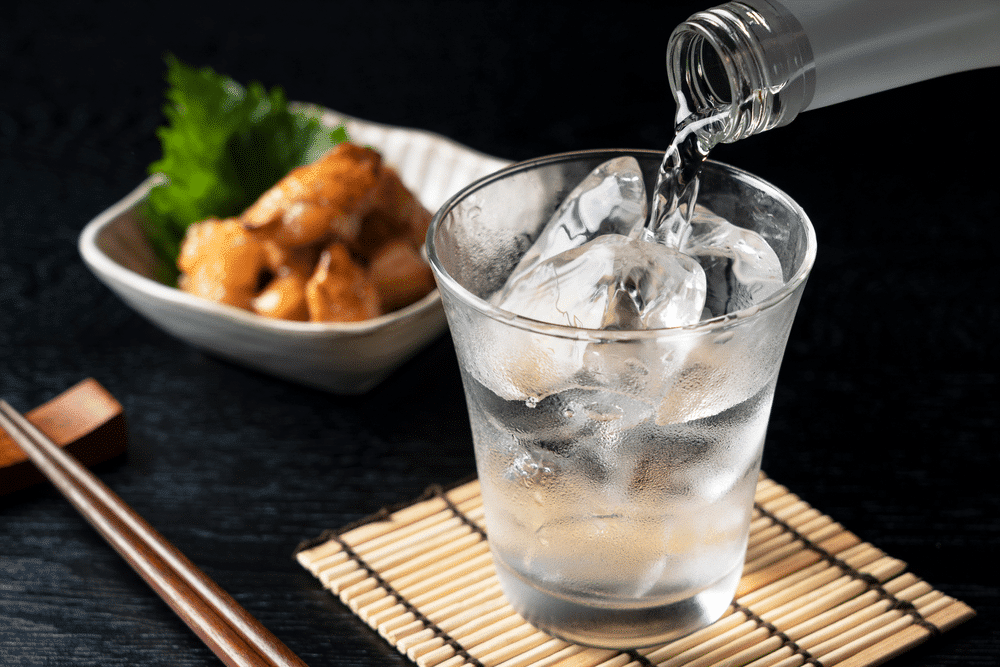
If you have visited Japan before, you may have noticed the country’s vibrant and welcoming drinking culture. Streets are lined with izakaya (Japanese pubs) where you’ll find numerous salarymen enjoying a glass alone or with colleagues. You might even see people strolling with their favorite canned beverage, a sight that can be quite surprising to foreign visitors! Many of these individuals are likely enjoying some variation of shochu, as it is an incredibly popular staple in Japan.
What is shochu?
By definition, shochu is a Japanese spirit distilled from various ingredients, including sake dregs. Production began roughly 500 years ago in southern Japan, specifically in Kyushu, by combining traditional sake-brewing techniques with distillation methods.
A famous example of a shochu-based drink is the ubiquitous “Lemon Sour.” This refreshing cocktail is created by mixing shochu with soda water and lemon flavoring. There are countless other varieties as well, featuring flavors like plum, muscat grape, or grapefruit. If the name doesn’t ring a bell, you have likely seen these colorful cans in convenience stores for about ¥150 or spotted them on almost every restaurant menu.
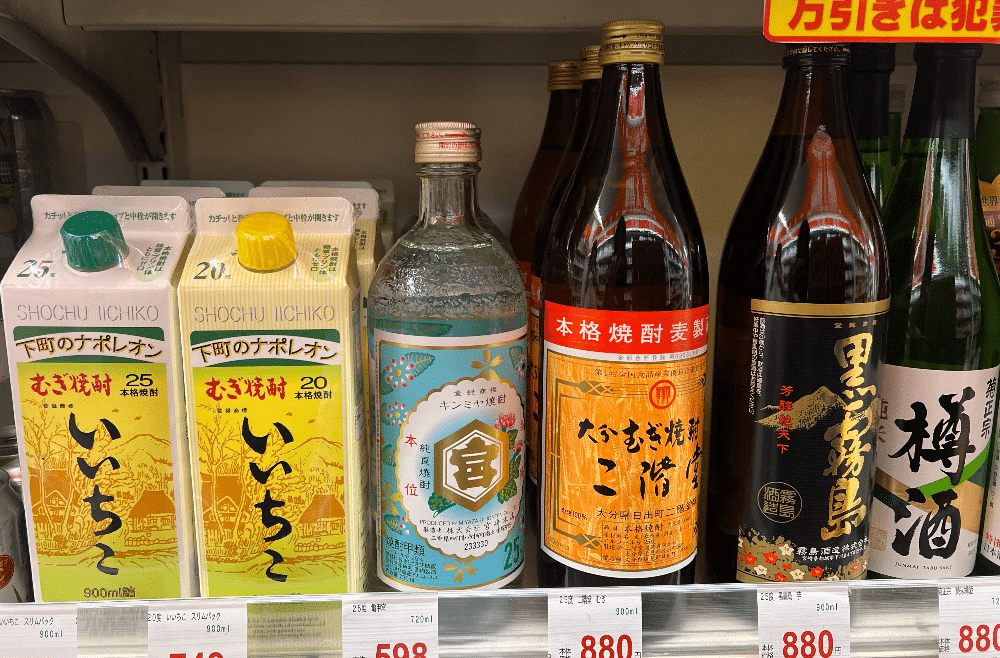 Shochu (Left) and Sake (Right) on Display – Photo by Kristina
Nihonshu (Japanese sake) vs. shochu
One of the most common questions travelers ask is, “What is the difference between sake and shochu? I thought they were the same thing!” To put it simply: there is a significant distinction. Not only are they made from different base ingredients, but their production methods are also entirely unique.
Ingredients
The primary difference lies in the raw materials. While sake is exclusively made from rice, shochu can be distilled from a variety of sources. The two most popular varieties are いも(“imo” – sweet potato) and むぎ(“mugi” – wheat). While these two are the standard offerings at most bars, you can also find creative versions made from corn, chestnut, or even raw sugar.
The production process
In a tradition that some believe dates back 3,000 years, sake is brewed by converting rice starch into sugar and then into alcohol using a specific yeast. In contrast, shochu is a distilled liquor with roots in the 16th century. Distillation involves separating liquids, such as water and alcohol, to create a higher alcohol content.
The steps for making shochu vary depending on the base ingredient. For example, rice or wheat-based shochu begins by steaming rice or wheat to create “koji.” Once steamed, water and yeast are added to begin fermentation. After the mixture is distilled and aged, it is finally ready for sale!
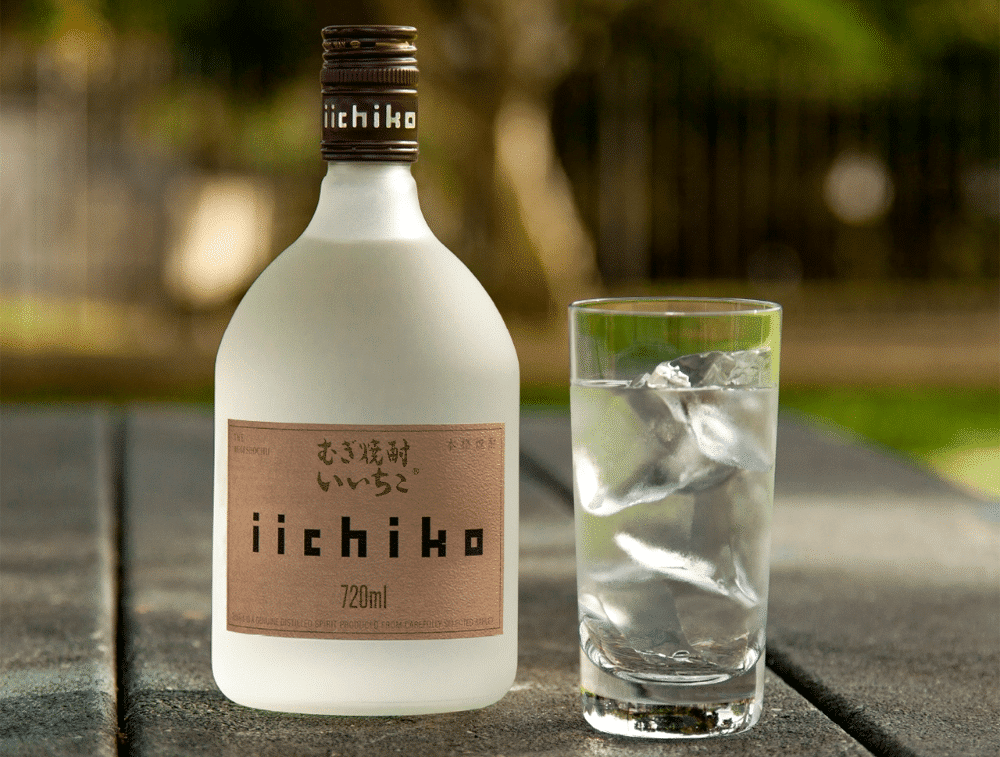
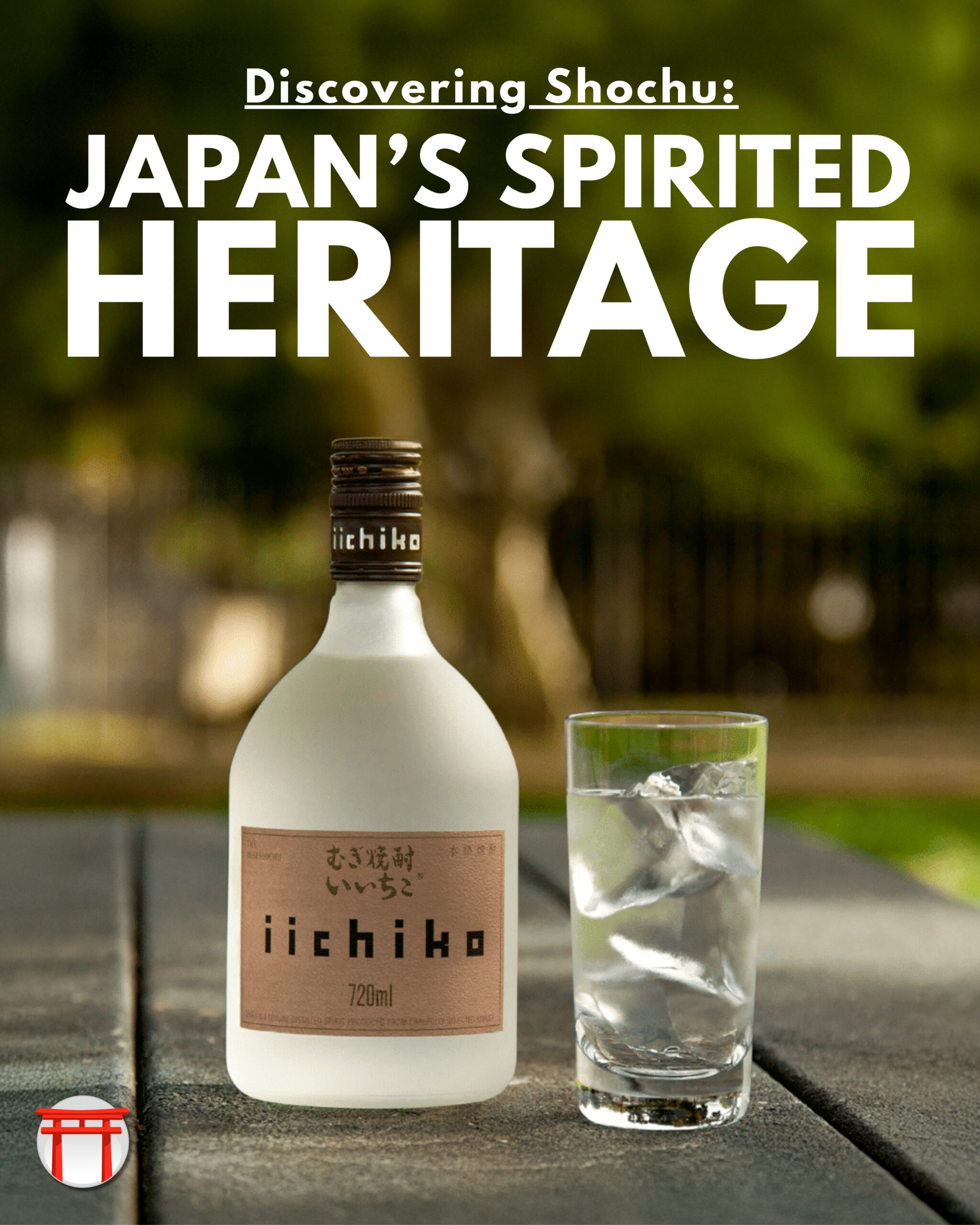
One of the most famous shochu brands – Photo Credit: iichiko official website
Famous Japanese brands
There are countless brands available, but Iichiko remains one of the most iconic due to its smooth flavor and affordability. Another staple found in most izakaya is Kinmiya, which is similarly prized for its great taste and value. Other well-known names to look out for include Yokaichi Mugi, Jinro, Nakanaka, and Sekitoba.
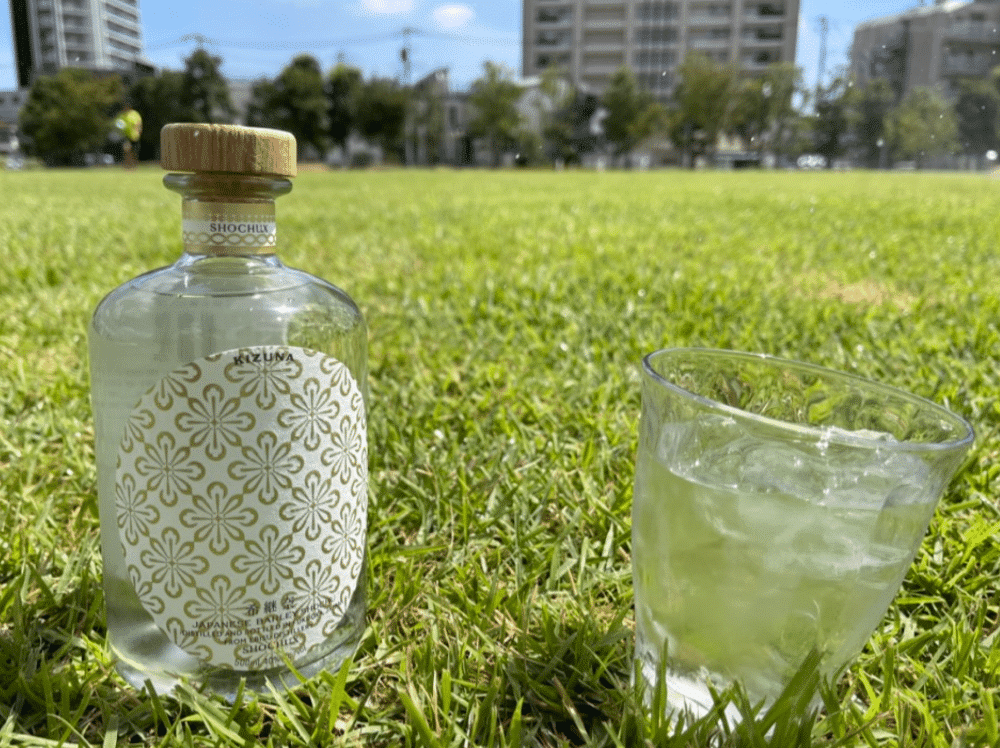
A cold glass of “Kizuna” by ShochuX – Photo Credit: Jessica Iragne
At Arigato Travel, we particularly love Shochu X. This premium brand has quickly made a name for itself since its launch in 2020. Interestingly, founder Keisuke Hashimoto had no initial professional connection to the industry, but his time working in an izakaya helped him form a deep bond with the spirit. Shochu X embodies everything a premium brand should: sleek packaging, high quality, and exceptional craftsmanship. Their popularity is undeniable, with their products often being sold out, so be sure to snag some if you’re looking for a luxurious tasting experience!
We were fortunate enough to interview the creator of Shochu X, so be sure to check it out here! You can also catch a glimpse of the brand in our Instagram reel.
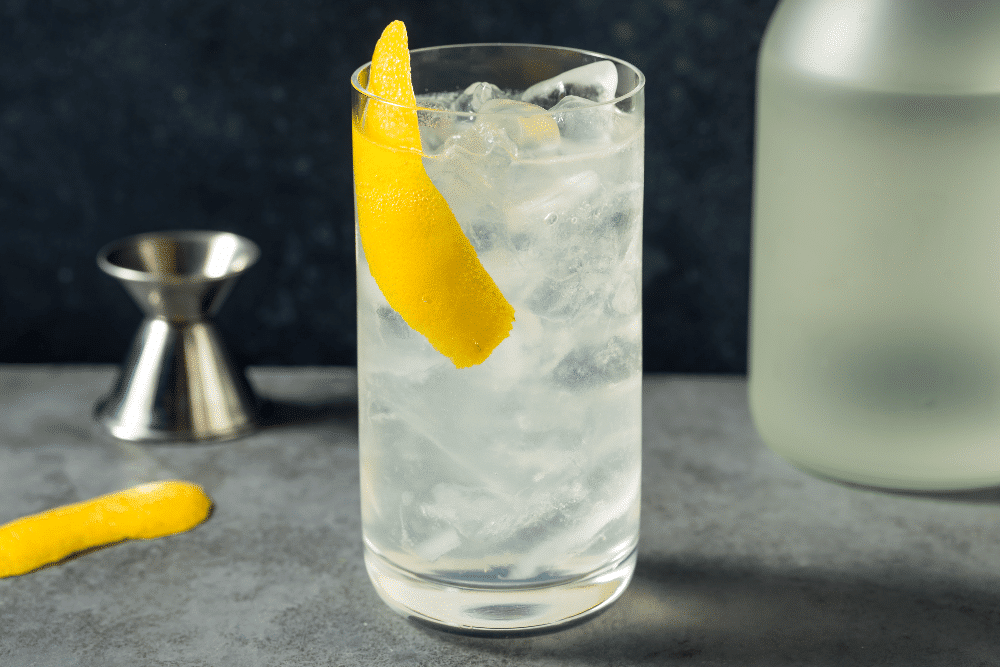
Lemon Sour – Photo Credit: Brent Hofacker
How to enjoy it
One of shochu’s greatest strengths is its versatility. It can be served:
- Straight or on the rocks to appreciate its pure character.
- Mixed with water (hot or cold) to adjust the strength to your preference.
- As a “Highball” by adding soda water.
- With mixers, such as oolong tea or fruit juices, for a refreshing twist.
As mentioned earlier, the “Lemon Sour” remains a fan favorite. Whether savored neat or combined creatively, shochu provides a flexible drinking experience suited to any occasion.
Shochu caters to a wide spectrum of palates. Its diverse serving methods and rich flavor profiles make it an approachable yet sophisticated choice. Whether you prefer a simple, creative cocktail or a sleek, elegant neat pour, shochu is sure to elevate your next gathering.
Featured Photo Credit: masa44
Ready to try Japanese alcohol on your next trip? Join us on one of our various drinking tours in Kyoto, Tokyo, Osaka, or Hiroshima, where you’ll have the opportunity to immerse yourself in Japanese nightlife, drinks, and local cuisine!
PIN THIS FOR LATER