When people think of the Japanese language, they often imagine the standard Japanese (標準語, hyoujungo) spoken in Tokyo. However, Japan is home to an incredible variety of dialects, or hōgen (方言), each with its own unique history and expressions. If you’re planning to travel across Japan, learning a bit about these dialects can make your trip even more exciting, and perhaps help you impress the locals!
A Brief History of Japanese Dialects
Japan’s unique geography, with its islands and mountains, allowed communities to develop in relative isolation for centuries. This led to the creation of diverse regional dialects. While modern communication and education have standardized much of the language, regional hōgen are still proudly used in daily life.
Historically, Kyoto served as the cultural and political hub of Japan during the Heian Period, and its dialect influenced many other regions. Over time, power shifted to Edo (modern Tokyo), and the Edo dialect evolved into today’s Standard Japanese (hyoujungo). Despite this, regional dialects have persisted, showcasing the rich linguistic diversity of Japan. The Japanese language’s dialects can be broadly categorized into two main groups: Eastern (Hyoujungo), which includes the modern capital Tokyo, and Western, encompassing the former capital Kyoto, including its surrounding area.
In contrast, the southern regions of Japan, including Kyushu and Okinawa, developed dialects that are markedly distinct due to their unique histories. Kyushu, being geographically closer to continental Asia, was a key point for cultural exchange and trade. Its dialects reflect influences from these historical interactions, with some linguistic features that set them apart from mainland dialects.
Okinawa, once part of the independent Ryukyu Kingdom, presents an entirely different linguistic story. The Ryukyu Kingdom maintained close trade and cultural ties with China and Southeast Asia, creating a distinct linguistic branch now known as the Ryukyuan languages. These languages are so unique that some linguists debate whether they belong to the Japonic language family at all. After the kingdom was annexed by Japan in 1879, efforts to standardize Japanese led to the gradual decline of Ryukyuan languages, which are now classified as endangered by UNESCO.
Major Dialect Regions
Kansai-ben (関西弁/Western Dialect)
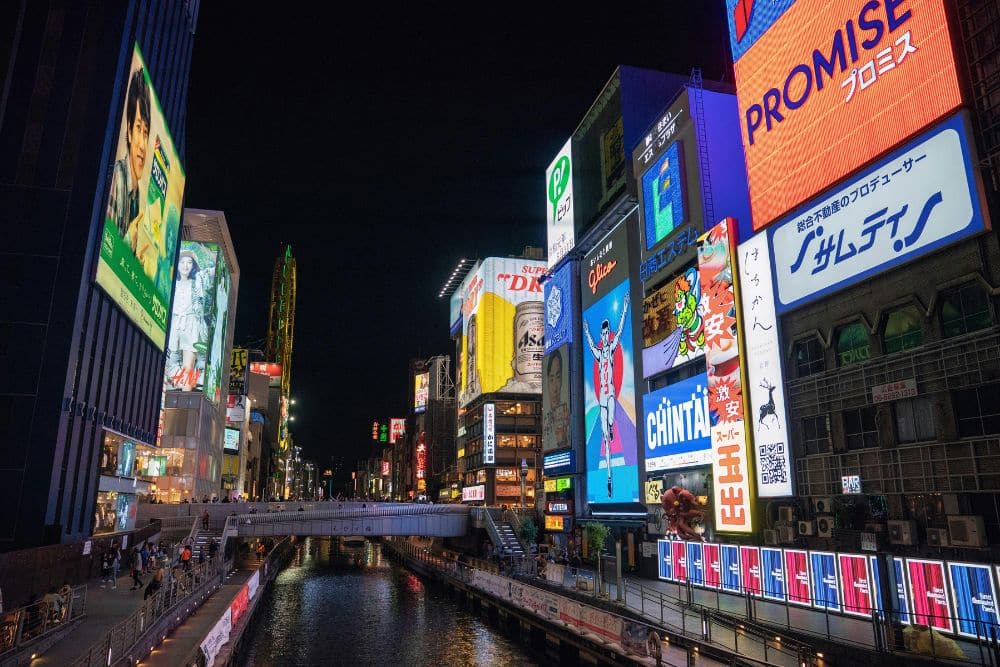
Osaka – Photo Credit: Jason Rost
Among these dialects, Kansai-ben is perhaps the most well-known. Spoken in regions like Osaka, Kyoto, Kobe, and the surrounding regions, the Kansai dialect is often exemplified by the Osaka-specific Osaka-ben. Compared to standard Japanese, it is commonly described as having a more melodic yet slightly sharper tone. It is also considered to be a friendlier and humorous dialect compared to standard Japanese.
Example Kansai-ben Phrases You Can Use
1. ほんま (Honma) – “Really” or “Truly”
This word is a Kansai equivalent of hontou (本当) in standard Japanese, meaning “Really?!” or “Truly.” It’s used to express sincerity, disbelief, or emphasis in a conversation.
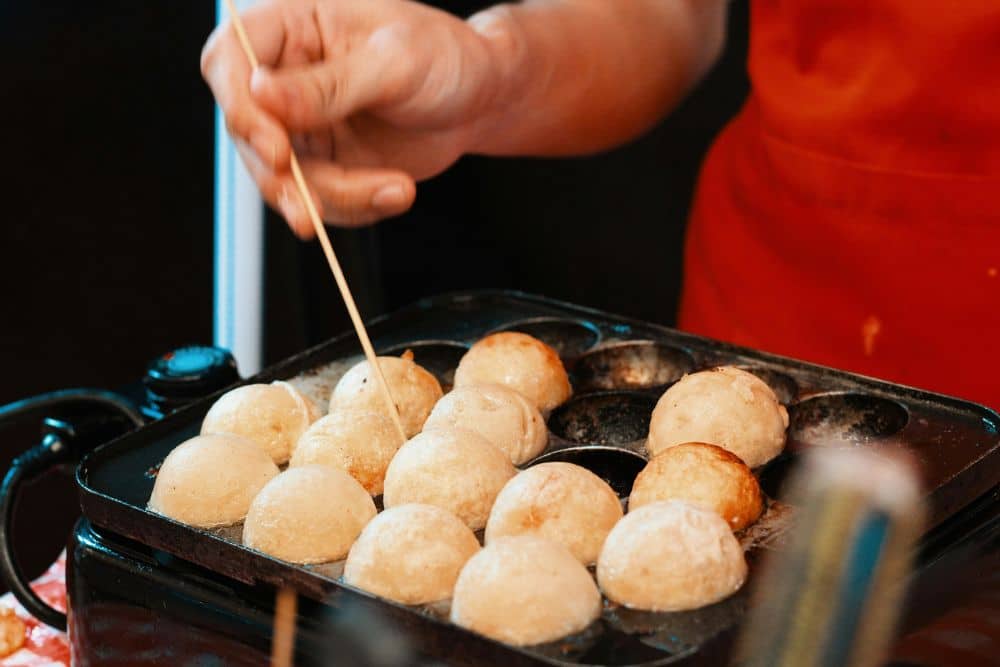
Takoyaki – Photo Credit: Hardingferrent
Example Situation:
You’re chatting with a local in Osaka who tells you that they eat takoyaki every day. Surprised, you can say:
ほんま?! 毎日たこ焼き食べるん?
(Honma?! Mainichi takoyaki taberun?)
“Really?! You eat takoyaki every day?”
You can also use it for emphasis when talking about your own feelings:
このたこ焼き、ほんまに美味しいわ。
(Kono takoyaki, honma ni oishii wa.)
“This takoyaki is truly delicious.”
2. なんぼ (Nanbo) – “How Much?”
This practical word is often used to ask about prices in Kansai-ben. It’s equivalent to ikura (いくら) in standard Japanese, meaning “How much?”

Shopping in Osaka – Photo Credit: Jase Bloor
Example Situation:
When browsing in a souvenir shop, you can point to an item and ask the clerk:
これ、なんぼ?
(Kore, nanbo?)
“How much is this?”
3. おおきに (Ookini) – “Thank You”
A uniquely Kansai phrase, ookini is the Kansai-ben version of arigatou (ありがとう), meaning “thank you.” It’s often heard in shops, especially in Osaka.
Example Situation:
After purchasing takoyaki from a street vendor, you can say:
おおきに!
(Ookini!)
“Thank you!”
Kyushu-ben (九州弁)
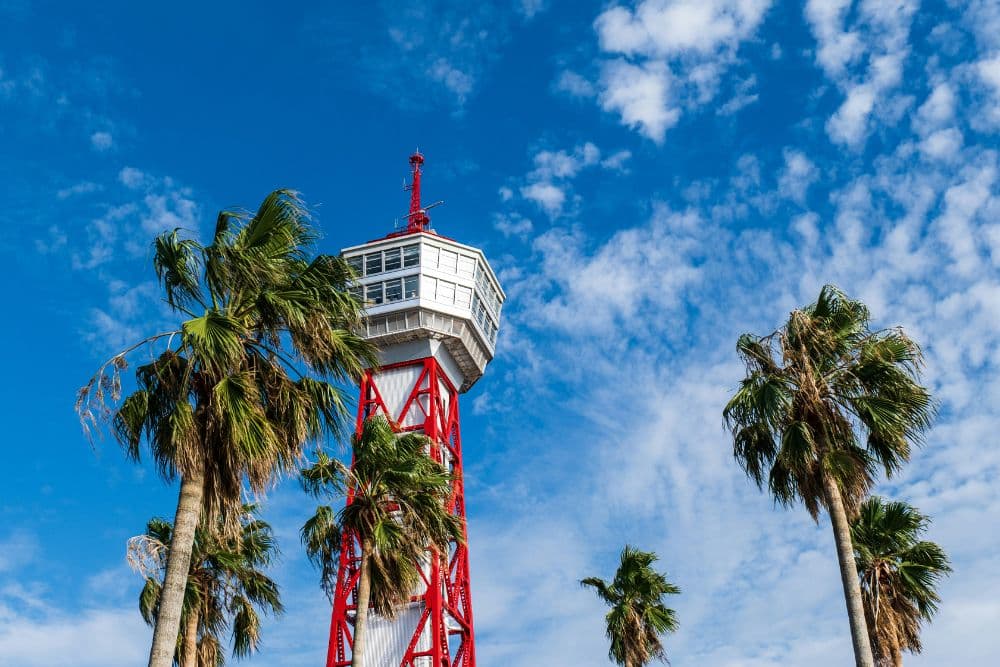
Hakata Port Tower at Fukuoka – Photo Credit: Nichika Sakurai
To the south, Kyushu boasts its own distinct set of dialects, ranging from the soft and rhythmic tones of Fukuoka to the guttural and complex speech of Kagoshima. In fact, Kagoshima-ben can be so challenging that even native Japanese speakers from other regions may struggle to understand it. Let me introduce you to some phrases in one of the Kyushu dialects, Hakata-ben, which is used in Fukuoka!
Example Kyushu-ben (Hakata-ben) Phrases You Can Use
1. よかよ (Yoka yo) – “It’s Good; Sure Thing”
In Kyushu-ben, yoka yo is a charming and cheerful way of saying ii yo (いいよ) in standard Japanese. It conveys not just agreement but also an enthusiastic willingness, making it a phrase full of warmth and positivity. Unlike a reluctant “okay,” yoka yo feels like an eager “sure thing!”
Example Situation:
If you ask a local for help or invite them to join you for a meal, they might respond with:
よかよ! 行こう行こう!
(Yoka yo! Ikou ikou!)
“Sure! Let’s go!”
2. うまか (Umaka) – “Delicious” or “Yummy”
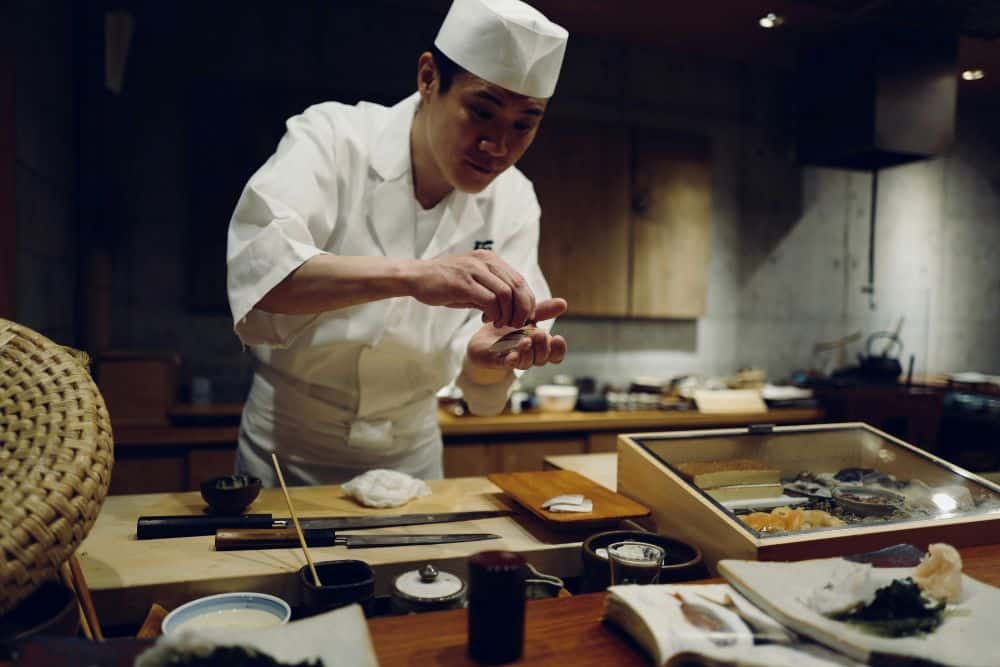
Sushi Chef – Photo Credit: Thomas Marban
Umaka is Kyushu’s way of expressing that something is delicious, similar to oishii (美味しい) in standard Japanese. It’s a highly versatile word and a must-know for food lovers exploring Kyushu’s rich culinary scene.
Example Situation:
Imagine you’re dining at a sushi restaurant in Kyushu and trying their freshly caught seafood. Blown away by the flavor, you could exclaim:
この寿司ばりうまか!
(Kono sushi bari umaka!)
“This sushi is super delicious!”
Okinawa-ben (沖縄弁)
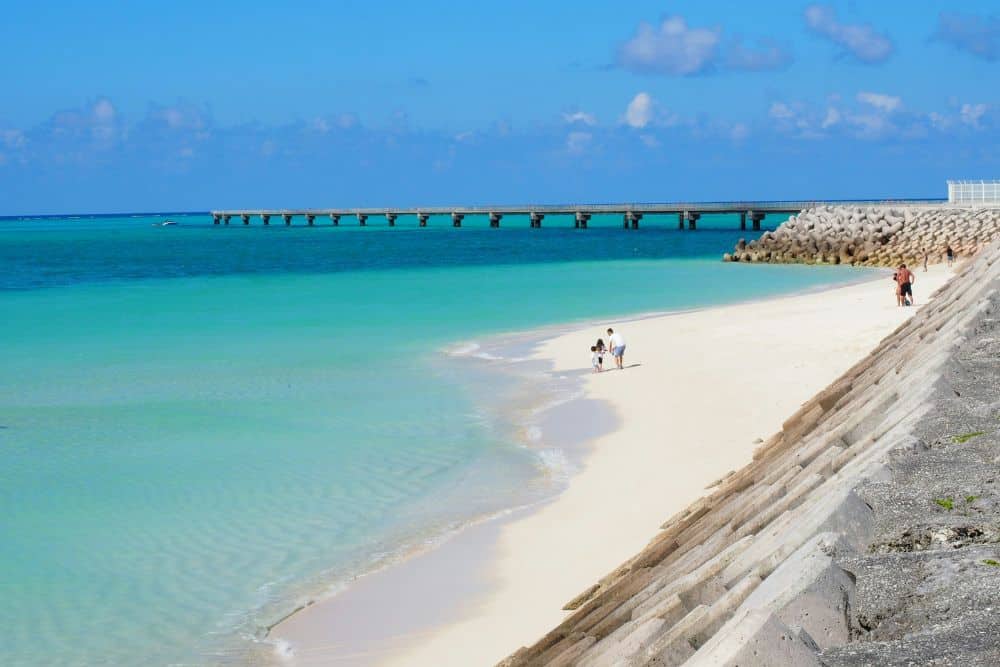
Okinawa Beach – Photo Credit: Shino Nakamura
Okinawa, Japan’s southernmost prefecture, boasts a linguistic heritage deeply tied to its unique culture and history. Known as Okinawa-ben, the dialect reflects the influence of the Ryukyuan languages, which are considered distinct from standard Japanese. Interestingly, linguists often debate whether these languages should even be classified as part of the Japonic language family. This unique status highlights just how different Okinawan speech and culture are from mainland Japan!
Example Okinawa-ben Phrases You Can Use
1. はいさい / はいたい (Haisai / Haitai) – “Hello”
An Okinawan friendly and casual way to greet someone, with haisai used by men and haitai used by women.
Example Situation:
Walking into a shop or meeting someone new, you can say:
はいさい! 初めまして。
(Haisai! Hajimemashite.)
“Hello! Nice to meet you.”
2. 美らさん (Churasan) – “Beautiful”

Okinawa Heart Rock – Photo Credit: Shino Nakamura
Rooted in the Okinawan language, churasan is used to describe something as beautiful, whether it’s a natural landscape or a piece of art.
Example Situation:
You can comment on the stunning Okinawan beaches with:
沖縄の海は本当に美らさんね~。
(Okinawa no umi wa hontōni churasan ne~.)
“The ocean in Okinawa is truly beautiful, isn’t it?”
3. ぐぶりーさびら (Guburii Sabira) – “Excuse Me” or “Sorry”
A polite phrase often used to apologize or get someone’s attention, akin to sumimasen (すみません) in standard Japanese.
Example Situation:
When accidentally bumping into someone on the street, you can say:
ぐぶりーさびら、気付かなかったです。
(Guburii sabira, kizukanakatta desu.)
“Excuse me, I didn’t notice.”
How to Use Dialects Respectfully
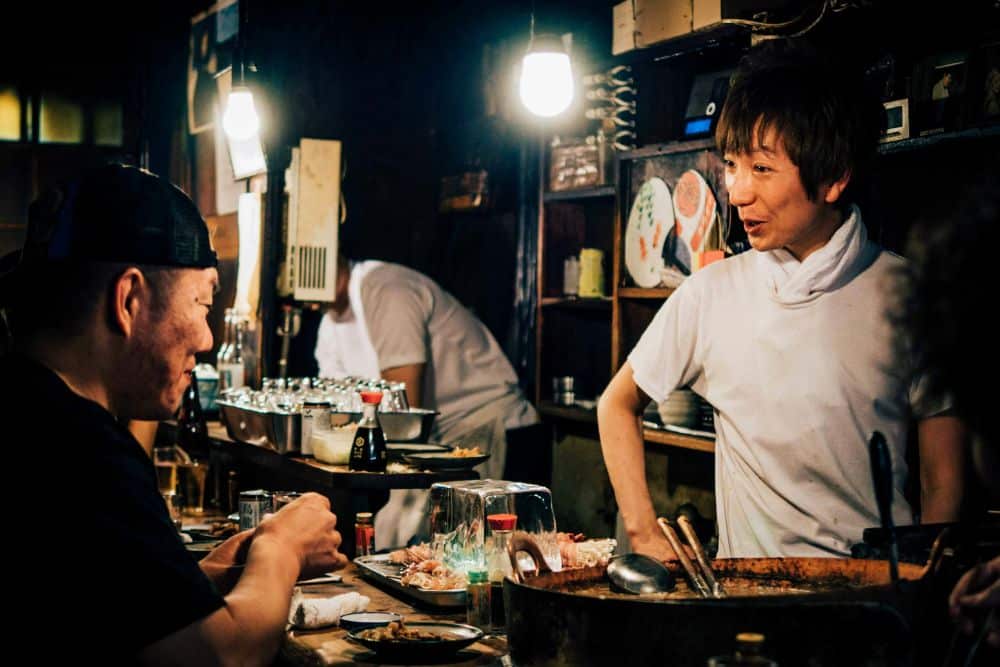
Japanese Talking – Photo Credit: Lan Pham
Learning and using regional dialects can be a fantastic way to connect with locals and enrich your travel experience. However, it’s important to approach dialects with respect and an open mind. When using dialect expressions, show genuine enthusiasm rather than treating them as a novelty or gimmick. Locals often appreciate the effort to learn their hōgen but may find it awkward if phrases are used inappropriately or mockingly. Be mindful of the context, as some words may carry different nuances in various regions, and casual usage might not always be suitable.
One of the best ways to ensure you’re using dialect respectfully is to ask questions and learn directly from locals. Showing curiosity about their language and culture demonstrates your appreciation for their traditions. Don’t worry about being perfect; most people will be delighted by your willingness to try. Lastly, remember that dialects are an integral part of regional identity. Using them thoughtfully can open doors to meaningful conversations and deeper cultural exchanges, leaving you and the locals with warm memories of your interaction.
Finally…
For travelers exploring Japan, learning a few regional phrases can enhance their experience and foster connections with locals. Dialects often serve as a reflection of regional personalities, from the humor of Kansai-ben to the uniqueness of Okinawa-ben. They also play a prominent role in media, with certain dialects used in anime and dramas to highlight a character’s background or personality.
If you’re visiting Japan, don’t hesitate to try speaking a local dialect; even a small effort can leave a big impression. Whether you’re sharing a laugh with an Osakan shopkeeper or greeting an Okinawan host with Haisai, embracing Japan’s linguistic diversity will make your journey all the more memorable!
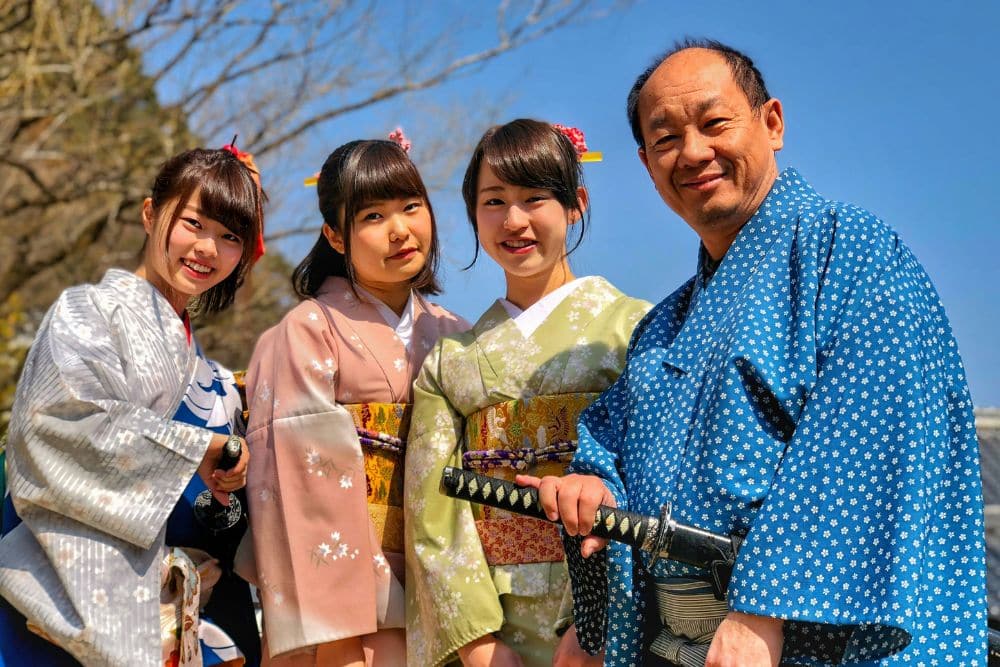
Featured Photo Credit: Justin Lim
To try these dialects on a local, make sure to visit off-the-beaten-path areas recommended by our Travel Experts!
PIN THIS FOR LATER