SeBread may not be the first food people associate with Japan, yet it has become an essential part of daily life. From neighborhood bakeries to convenience stores and seasonal festivals, bread in Japan reflects the country’s ability to adapt outside influences into something distinctly its own. Soft textures, thoughtful fillings, and regional creativity define a bread culture that feels familiar yet uniquely Japanese. This blog provides a look at how bread took root in Japan, the varieties people love today, and the events where bread fans gather throughout the year.
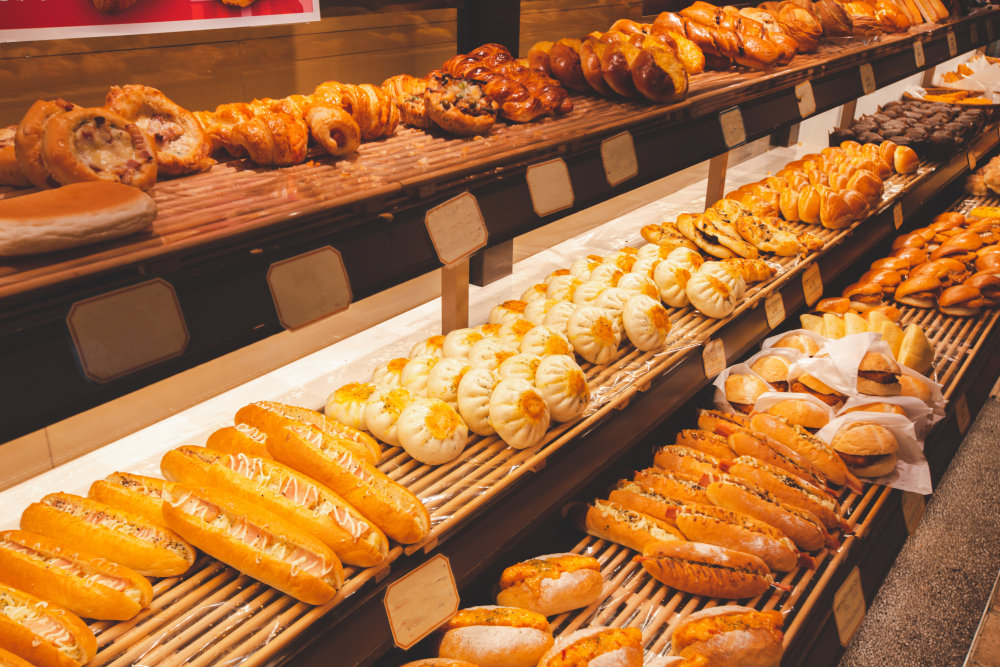
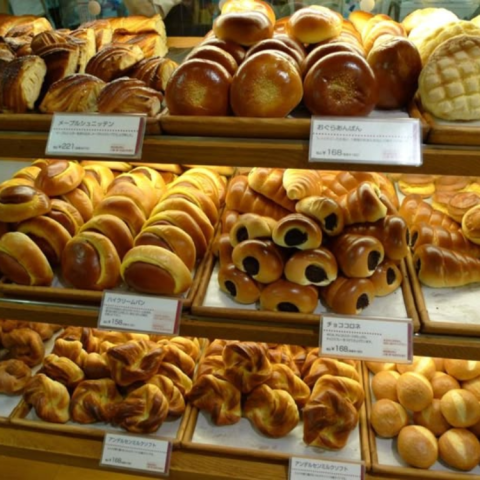
Beautiful display of a variety of bread at a bakery shop in Japan – Photo Credit: 2p2play
How Bread Came to Japan
Bread was first introduced to Japan in the mid-16th century by Portuguese traders. Early bread was valued mainly as preserved food rather than as a culinary pleasure. Its role expanded centuries later during the Meiji period, when Western food culture became part of Japan’s modernization efforts.
One pivotal development was anpan (あんパン, bread filled with sweet red bean paste), created in 1874 by Kimura Yasubee in Tokyo. By combining Western-style bread with traditional wagashi flavors, anpan bridged cultural tastes and helped bread gain widespread acceptance. From that point on, bread evolved not as a replacement for rice, but as a complementary comfort food.

Anpan – Photo Credit: Yamazaki Baking Co., Ltd.
What Makes Japanese Bread Distinct
Japanese bread is known for its softness, subtle sweetness, and careful balance of flavors. Milk-based doughs are common, producing fluffy textures that feel light yet satisfying. Presentation also matters. Bread is often shaped, filled, and packaged with the same attention to detail found in other areas of Japanese food culture.
Another defining feature is variety. Bakeries rarely specialize in just one style. Savory and sweet options sit side by side, encouraging exploration and casual enjoyment.
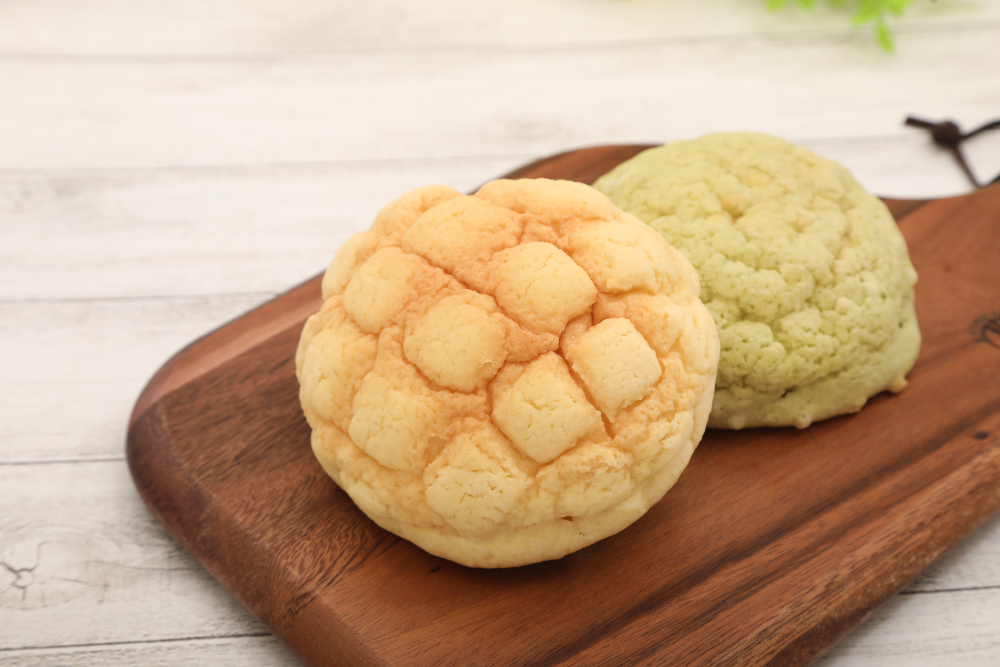
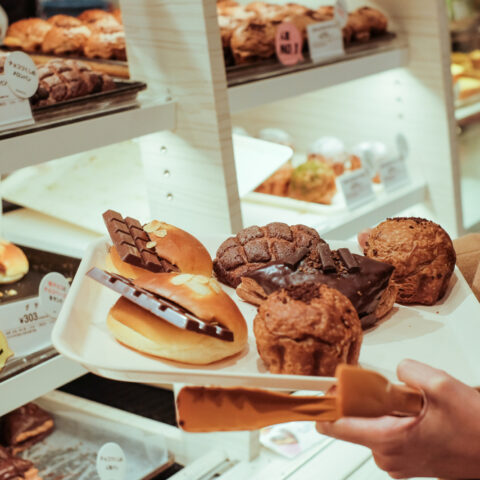
Melon pan – Photo Credit: hiroamano
Popular Types and Fillings
Many types of bread have become everyday classics across Japan. Let’s look at some of the top picks!
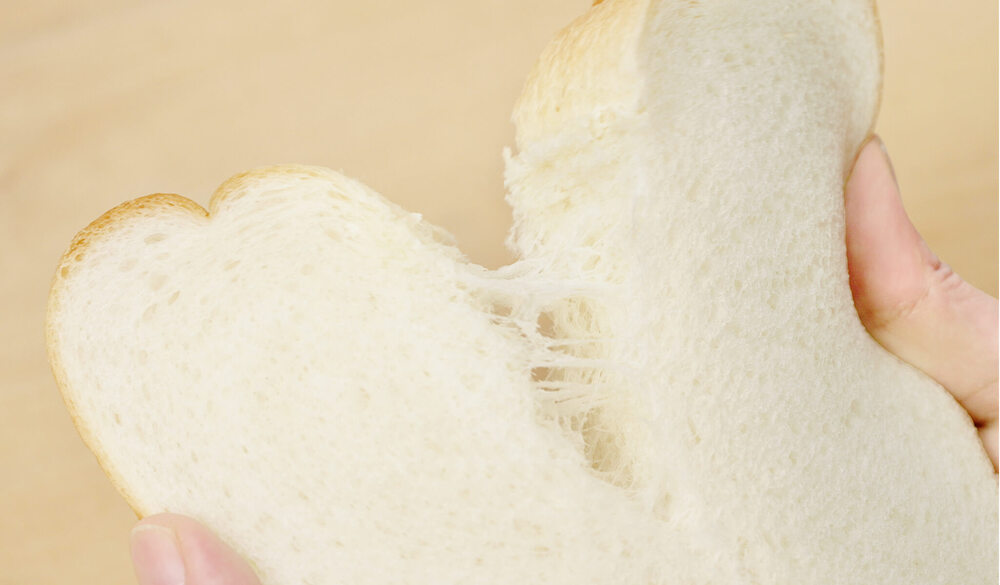
Shokupan (食パン, Japanese milk bread) is a soft, square loaf commonly eaten toasted for breakfast. It pairs well with butter, jam, or even savory toppings like cheese and eggs.
Melon pan (メロンパン, sweet bread with a cookie crust) is named for its cracked surface rather than its flavor. Crisp on the outside and fluffy inside, it is a nostalgic favorite often associated with school days and train station bakeries.
Curry pan (カレーパン, deep-fried curry bread) offers a savory option filled with mild curry and coated in breadcrumbs. It reflects Japan’s love for curry and its talent for adapting comfort foods.
Yakisoba pan (焼きそばパン, bread filled with fried noodles) may sound unconventional, but it perfectly captures Japanese carb-on-carb creativity. It is especially popular among students and at festivals.
Shio pan (塩パン, salted butter roll) is deceptively simple yet deeply satisfying. Lightly salted on top and rich with butter inside, it is baked so that the butter melts into the dough, creating a crisp bottom and a tender interior. Originally popularized in Shikoku, it has spread nationwide and is now a staple in both artisan bakeries and neighborhood shops.
Anpan remains a staple, with fillings ranging from smooth red bean paste to seasonal variations like chestnut or sweet potato.
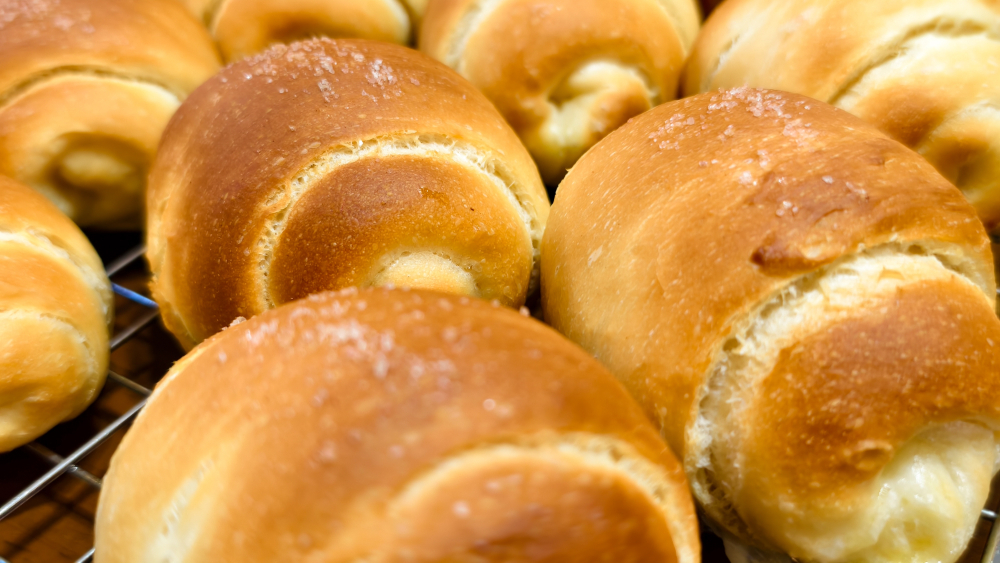
Shio pan – Photo Credit: Mr. thanyathep
Regional and Seasonal Creativity
Japanese bakeries frequently rotate fillings based on the season. Spring may bring strawberry or sakura-inspired flavors. Autumn often features pumpkin, chestnut, and sweet potato. This seasonal approach mirrors traditional Japanese cuisine and keeps even familiar breads feeling fresh.
Regional specialties also exist. Some areas incorporate local dairy, fruits, or flavors, making bakeries a subtle reflection of local identity.
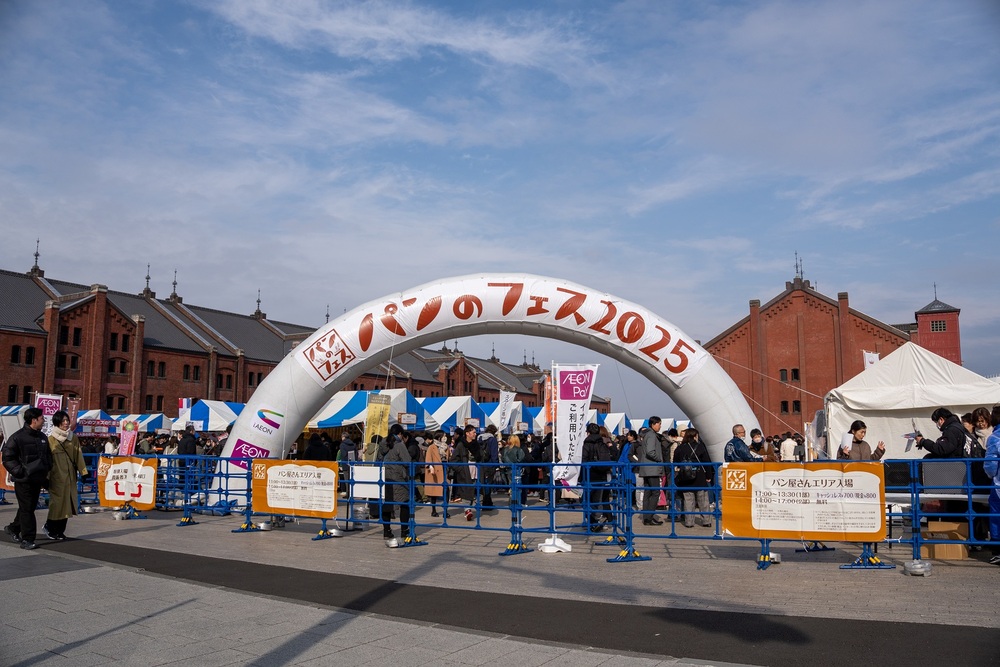
Bread Festival 2025 at Yokohama Red Brick Warehouse – Photo Credit: パンのフェス
Bread Festivals and Events in Japan
Bread culture in Japan extends beyond bakeries through events that celebrate craftsmanship and community.
Japan hosts several bread-focused events throughout the year, often tied to its history as one of Japan’s earliest ports open to Western influence. Bread fairs across the country typically feature both Japanese bakeries and international styles, highlighting how bread culture continues to evolve.
Shonan Bread Festival
A seaside bread festival showcasing around 40 local bakeries from the Shonan area (including Fujisawa, Kamakura, and Chigasaki). Visitors can sample local artisan breads and Japanese‑inspired flavors, enjoy complementary food truck fare, and soak up ocean views. The atmosphere is family‑friendly with a relaxed, community feel and plenty of picnic space.
Date: Late February annually
Time: 10:00 AM – 3:00 PM
Place: Tsujido Seaside Park
Address: 3-2 Tsujidonishikaigan, Fujisawa, Kanagawa 251-0046, Japan
Website: https://shonan-panmatsuri.net/
Bread Festival in Yokohama (Pan no Fes)
This is one of Japan’s largest bread festivals. This festival celebrated its 10th anniversary in 2026, it gathers popular bakeries from around the country with a wide variety of breads, ranging from classic loaves to creative sweets and savory buns. The festival is free to enter; breads are purchased individually. Expect long rows of stalls under red brick arches, artisan breads, seasonal specialties, and often limited‑edition festival releases.
Date: Early March Annually
Time: 11:00 AM – 5:00 PM
Place: Yokohama Red Brick Warehouse
Address: 1-1-1 Shinko, Naka Ward, Yokohama, Kanagawa 231-0001, Japan
Website: https://pannofes.jp/event/pannofes2026/
Setagaya Bread Festival 2026
Held annually in Tokyo’s Setagaya area, this is one of the best-known bread events in the country. Local and regional bakeries gather to sell signature loaves, sandwiches, and pastries. A six‑day indoor festival where 50+ bakeries gather to showcase a wide array of breads, from French‑style baguettes and croissants to Japanese favorites like anpan (sweet red bean bread), sweet potato, and chestnut‑filled treats. This event is ideal for weather‑independent browsing and shopping. Admission is free; bread and drinks are sold by vendors. Visitors can expect long lines, limited-edition items, and a lively neighborhood atmosphere. The event often emphasizes artisan techniques and small-scale producers.
Date: Early November 2026 (exact dates TBA)
Place: Setagaya Park, Home/Work Village
Address: 1 Chome-5-27 Ikejiri, Setagaya City, Tokyo 154-0023, Japan, 2 Chome-4-5 Ikejiri, Setagaya City, Tokyo 154-0001, Japan
Website: https://setagaya-panmatsuri.com/
Ikebukuro Bread Festival 2026
Visitors can expect a wide range of breads, from classic European-style loaves to Japanese favorites such as filled buns and soft rolls. Many bakeries offer limited-edition items created specifically for the festival, making it a good opportunity to try breads that are not normally available in stores.
Date: Early November~Late November 2026 (exact dates TBA)
Place: Tobu Department Store, Ikebukuro
Address: 1-1-25 Nishiikebukuro, Toshima City, Tokyo 171-8512, Japan
Website: https://www.tobu-dept.jp/ikebukuro/

A happy patron choosing bread – Photo Credit: dodotone
Where Local Bakers and Communities Gather
Beyond the well-known festivals in Tokyo and Yokohama, the Kanto region hosts a number of smaller, community-focused bread events that reflect local tastes and craftsmanship. These gatherings are often held in parks, residential neighborhoods, or cultural spaces, making them especially appealing for travelers seeking a quieter, more intimate food experience.
The Machida Bread Festival, held in Machida City on the western edge of Tokyo, brings together bakeries from southern Tokyo and northern Kanagawa. The event is typically hosted in a public plaza or park and has a relaxed, family-oriented atmosphere. Here, visitors can expect classic Japanese breads alongside inventive seasonal items. Because many participating bakeries are small and neighborhood-based, this festival offers a chance to discover shops rarely featured in mainstream media.
While the Kanto region offers a high concentration of these local gatherings, similar events can be found across Japan. In Hokkaido, larger-scale events such as the Bread Festival in F Village, also known as Pan no Fes, bring together popular bakeries from across the country, often drawing significant crowds and highlighting regional ingredients like dairy and wheat. In western Japan, Osaka hosts events like the Waterside Bread & Sweets Festival, where local bakeries and confectioners gather along the city’s waterfront for a more urban take on the bread fair format. Meanwhile, in Fukuoka, bread culture is celebrated through multiple events such as the Bread Festival at LaLaport Fukuoka, as well as community-oriented gatherings like the Spring Kitakyushu Bread Festival and Hakopan Fes, which showcase regional bakeries alongside crafts and local specialties. These events highlight how Japan’s bread scene extends well beyond the Tokyo area, with each region offering its own distinct flavors and atmosphere.
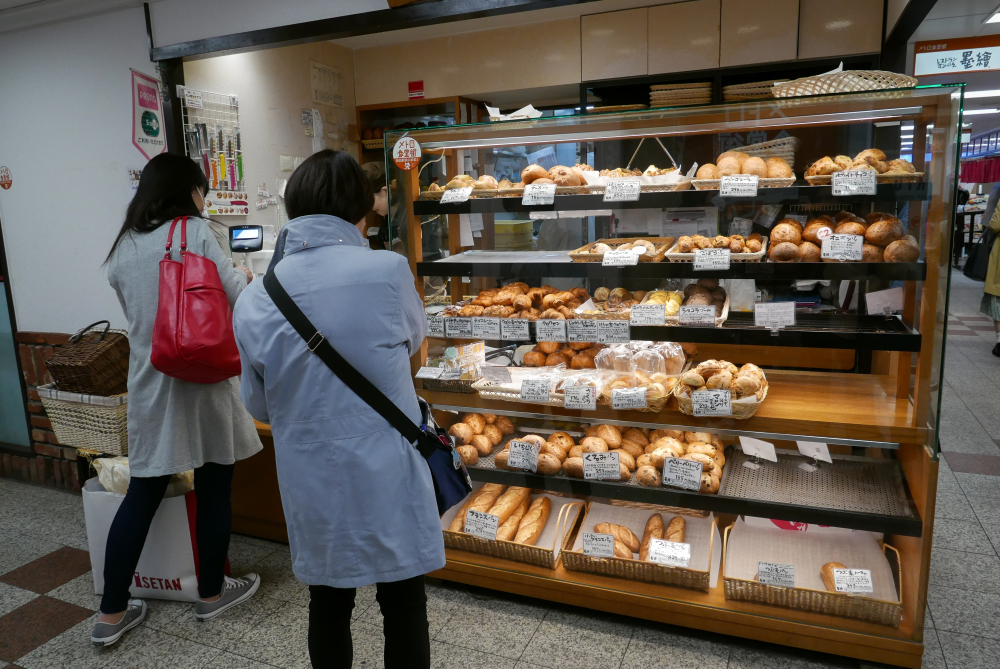
A customer at a bakery shop, choosing different kinds of bread – Photo Credit: Neelakandi
Department stores across Japan also host seasonal bread fairs, bringing together bakeries from different regions for short-term events. These pop-up fairs are popular with locals who want to sample breads that are normally difficult to access. At these events, visitors can expect variety rather than formality. Bread is meant to be eaten casually, shared, and enjoyed on the spot

Logo for Haru no Pan Matsuri – Photo Credit: Yamazaki Baking Co., Ltd.
Haru no Pan Matsuri (春のパンまつり, Spring Bread Festival)
Every spring, Japan celebrates Haru no Pan Matsuri, a nationwide bread promotion held in supermarkets, convenience stores, and local bakeries. In 2026, it runs from February 1 to April 30, with Hokkaido participating from March 1 to May 31. You can expect similar dates in the following years as well.
During the festival, qualifying bread products carry special point stickers. Shoppers collect the stickers on official stamp sheets, and once a sheet is completed, it can be redeemed for a commemorative dish designed for bread meals, such as sandwiches, soups, and salads. The redemption period in 2026 runs from February 15 to May 17 nationwide and from March 15 to June 14 in Hokkaido.
Haru no Pan Matsuri encourages families and bread enthusiasts to explore a variety of breads, from classic sliced loaves to soft rolls and filled buns. Stores display stamp sheets and stickers near the bread shelves, making participation easy and part of everyday routines. This promotion has become a beloved seasonal tradition in Japan, combining daily bread consumption with a playful and interactive ritual that marks the arrival of spring.
Learn More About Bread in Japan
Whether you are already a fan of bread in Japan or are just discovering it for the first time, be sure to check out the blogs below to learn more and discover bakeries across the country!
Tokyo: Best Bakeries in Tokyo
Kyoto: 10 Kyoto Bakeries That Locals and Visitors Love
Osaka: Discover the Top 5 Japanese Bakeries in Osaka: A Journey Across the Culinary Capital
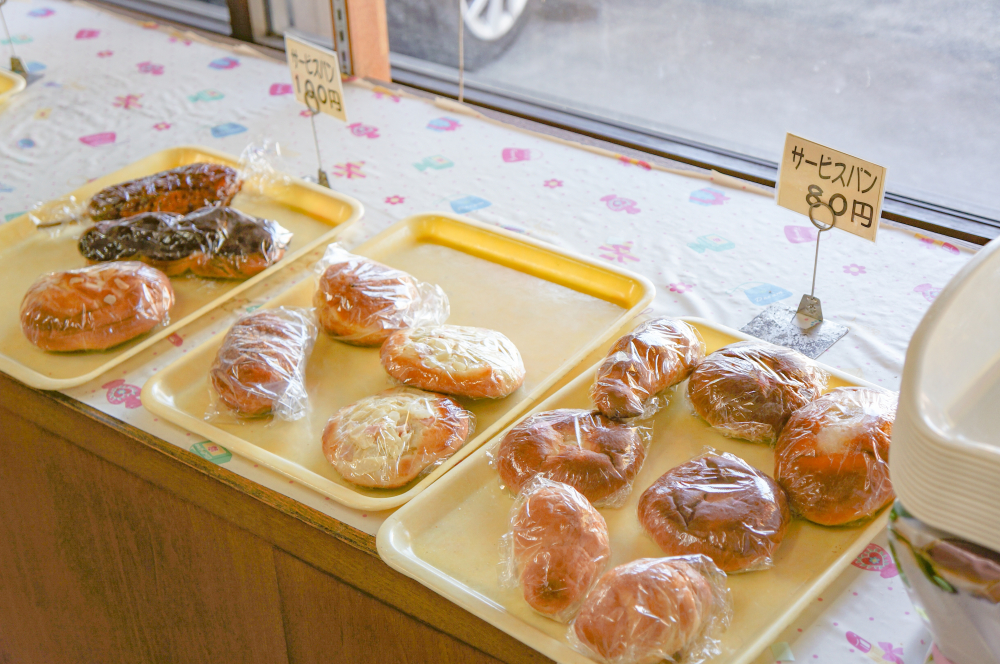
Variety of bread for sale – Photo Credit: KTK_Creatives_stockphoto
Why Bread Feels So Japanese
Bread in Japan succeeds because it aligns with everyday life. It is portable, adaptable, and endlessly customizable. Whether eaten quickly on the way to work or enjoyed slowly with coffee, bread fits seamlessly into modern routines.
At the same time, it reflects deeper cultural values. Attention to texture, seasonality, and balance ensures that even the simplest bread feels intentional. What began as a foreign food has become a canvas for Japanese creativity and comfort.
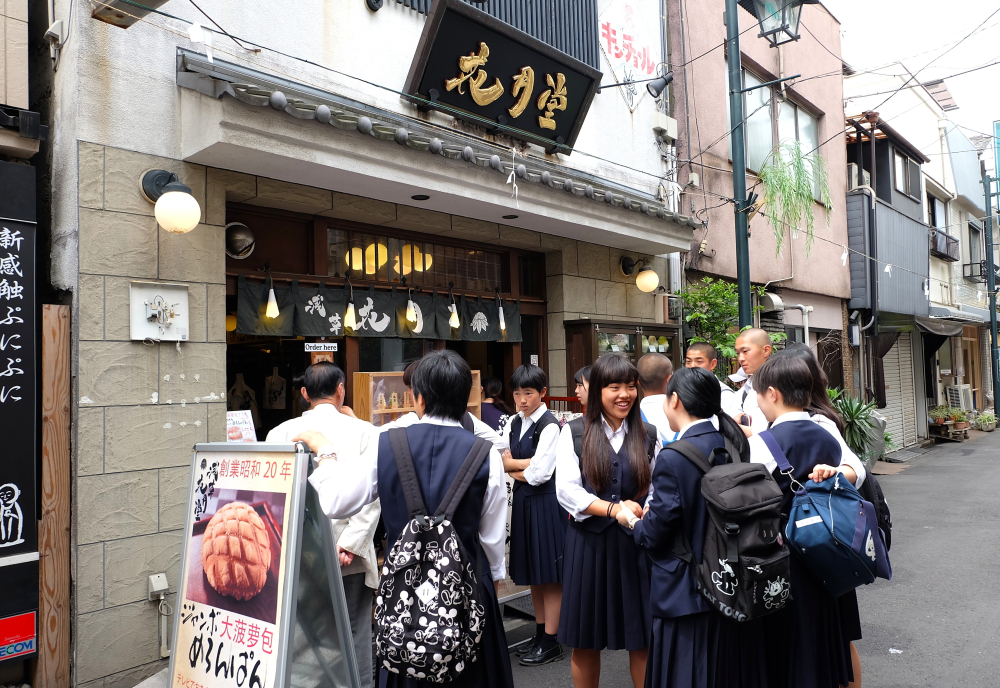
Students waiting in line to buy the melon pan – Photo Credit: Teesup
Tips for Attending Bread Events
Plan Early: Many vendors sell out quickly, especially at large gatherings like Yokohama and Setagaya.
Cash and card: Bring both, as smaller stalls sometimes prefer cash.
Combine with Sightseeing: Events like Yokohama’s are close to tourist spots like the harbor and Chinatown.
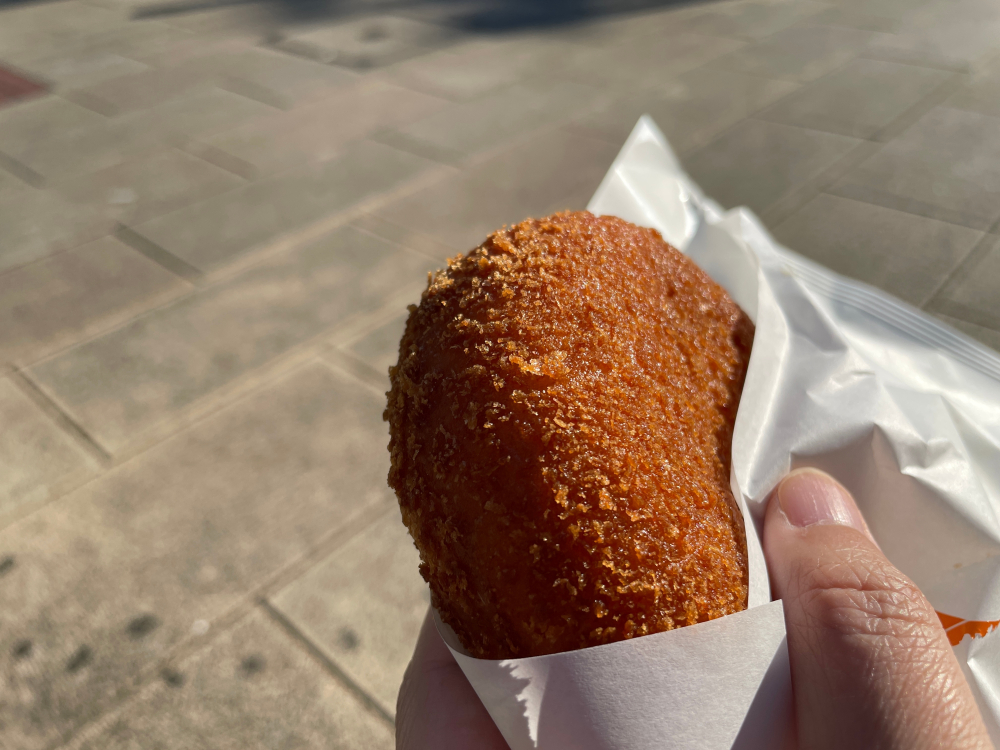
Crispy fried curry pan – Photo Credit: okimo
A Living Culture of Flour and Imagination
Today, Japan’s bread culture continues to grow. New bakeries open with experimental flavors, while long-standing shops preserve familiar tastes that generations have grown up with. Festivals bring people together, and everyday loaves quietly anchor daily meals. Bread in Japan is not about replacing tradition. It is about adaptation. In every soft slice and carefully chosen filling, you can taste how Japan makes something its own, one loaf at a time.
Please note: Event dates, times, and details are subject to change, sometimes with little or no notice. We recommend checking the official websites or social media channels of each venue or event organizer for the most up-to-date information before you visit.
Featured Photo Credit: Yamazaki Baking Co., Ltd.