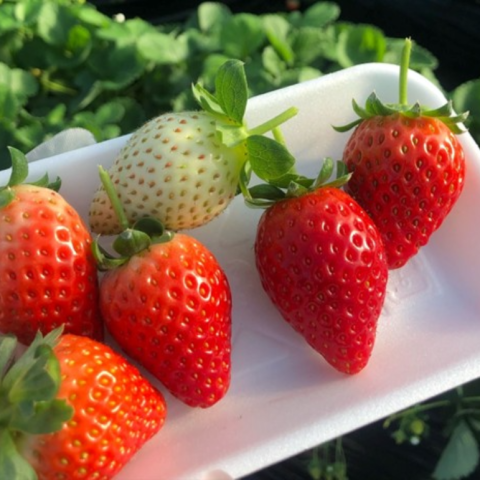
Wakayama Farm in Utsunomiya City is a place where bamboo and chestnuts aren’t just crops; they’re part of a living tradition. Spanning about 24 hectares with the Nikko mountain range as a backdrop, the farm has been tended by three generations of the Wakayama family and is dedicated to natural, circular farming. Today, it is one of Japan’s largest bamboo farms and a popular destination for hands-on experiences: bamboo crafting, harvesting bamboo shoots in season, strolling through illuminated bamboo groves, or sipping matcha served in bamboo cups. Whether you visit for seasonal treats, eco-friendly activities, or the calm of a green escape, Wakayama Farm offers a distinctive connection to the land and its history.
Now, join us as we chat with Taro Wakayama, the owner and CEO of Wakayama Farm, to uncover the stories, traditions, and hands-on experiences that make this farm truly special.
Wakayama Farm has been in the family for generations. Can you share about yourself, how you first got involved, a little history of the farm, and what your day-to-day looks like?
The ancestors of the Wakayama family first settled here in about 1670. The land lacked water, and they endured many hardships. Then my grandfather, Zenzo Wakayama, started the foundation of the business in bamboo shoots (called “takenoko” in Japanese) and chestnuts. Zenzo became a leading expert in modern agriculture, especially in chestnut farming. My father, Yukio Wakayama, focused on developing new processing techniques for bamboo materials and growing new bamboo varieties. He also established the Wakayama brand of bamboo shoots on the market. When I returned to the farm to take over, I introduced bamboo into comprehensive landscape design in cities, and in 2017, I opened our gate to visitors to enjoy our vast bamboo forest spreading over 21 hectares of land.
Today, my daily work is diverse, including bamboo forest management, harvest management and sales, sales of bamboo seedlings, tourism, camping, and renting out space for filming and events.
What inspired your family to focus on bamboo shoots and chestnuts, and how has that shaped the farm over the years?
It all began when my grandfather studied modern agriculture at university and put it into practice after the war, spreading the cultivation of bamboo and chestnuts across the country. Bamboo shoots in the spring, chestnuts in the fall, and cutting bamboo to sell as material in the winter became the foundation of Wakayama Farm’s business.
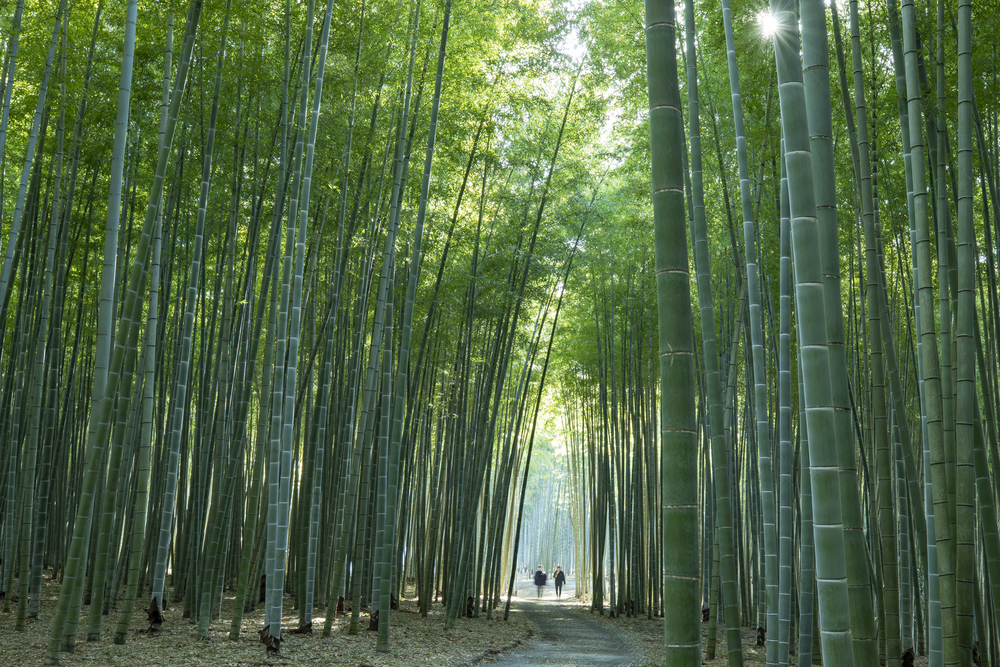
Walking through the towering bamboo stalks – Photo Credit: Wakayama Farm Inc.
Visitors can try a lot of different experiences. Could you introduce the various activities and products, as well as your personal favorite aspect of the farm?
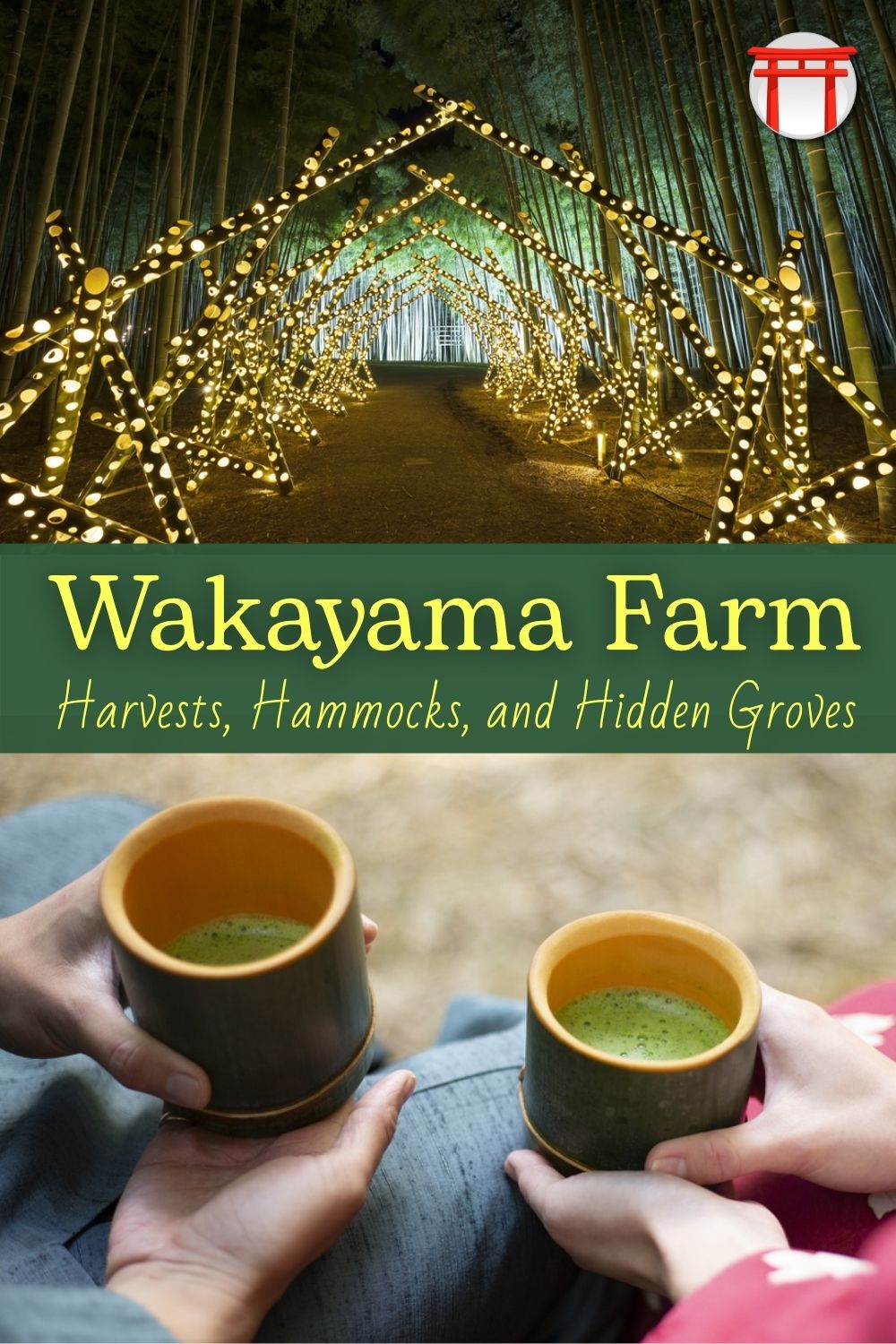
In addition to leisurely strolling through the green bamboo forest that stretches as far as the eye can see, there are many other experiences waiting for you, such as bamboo craft experiences, gallery tours, shopping at the gift shop, enjoying lunch made with local ingredients at the cafe, seasonal harvesting experiences, camping overnight in the bamboo forest, enjoying matcha tea served in bamboo cups on weekends and holidays, and the bamboo forest illumination held at night on weekends and holidays.
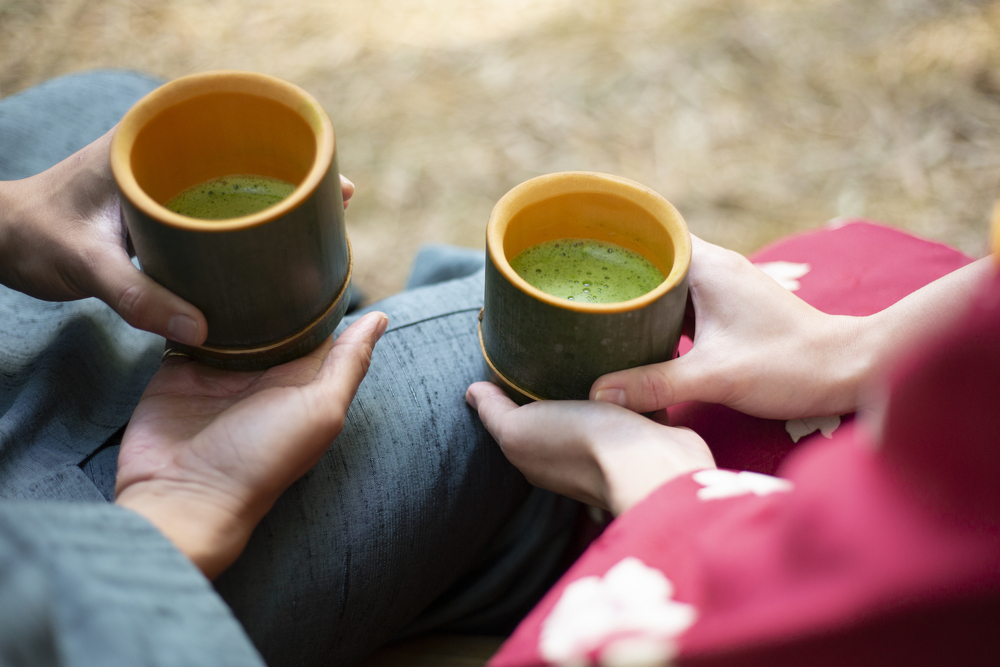
Bamboo cups with matcha tea – Photo Credit: Wakayama Farm Inc.
For someone planning a visit, what do the ticket prices include, and are there any extra additions to look forward to?
Daytime admissions are ¥750 for an adult, ¥500 for a 6‑ to 15‑year‑old child, and ¥250 for a 3‑ to 5‑year‑old. Nighttime admissions on weekends and holidays are ¥1,500 for an adult, ¥1,000 for a 6‑ to 15‑year‑old child, and ¥500 for a 3‑ to 5‑year‑old child.
If you visit Wakayama Farm on weekends or holidays, you can buy an admission ticket with a tea set for an additional ¥750, but if you are lucky, you may be entitled to a 20% discount on the tea set price.
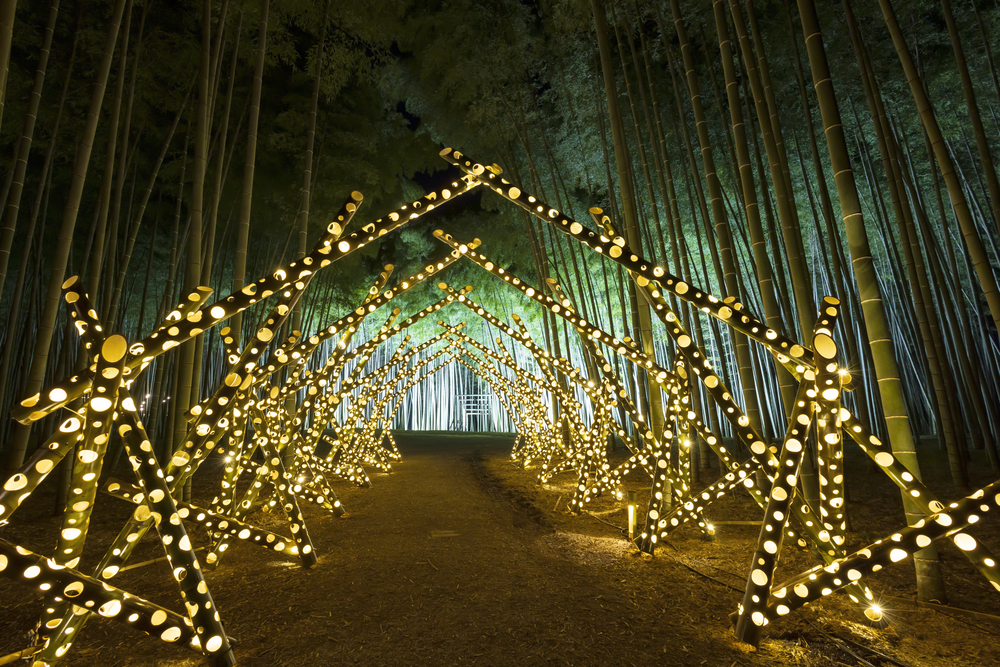
A warmly lit trail through the bamboo – Photo Credit: Wakayama Farm Inc.
With bamboo being central to the farm, how do you care for the forest and keep it healthy year after year, and can you tell us about the sustainable practices behind the farming?
In order to produce high-quality bamboo shoots at our farm, we cut down old bamboo every winter and grow new shoots in the spring to replace the old ones. This work continues diligently, ensuring that our bamboo forest is both healthy and beautiful.
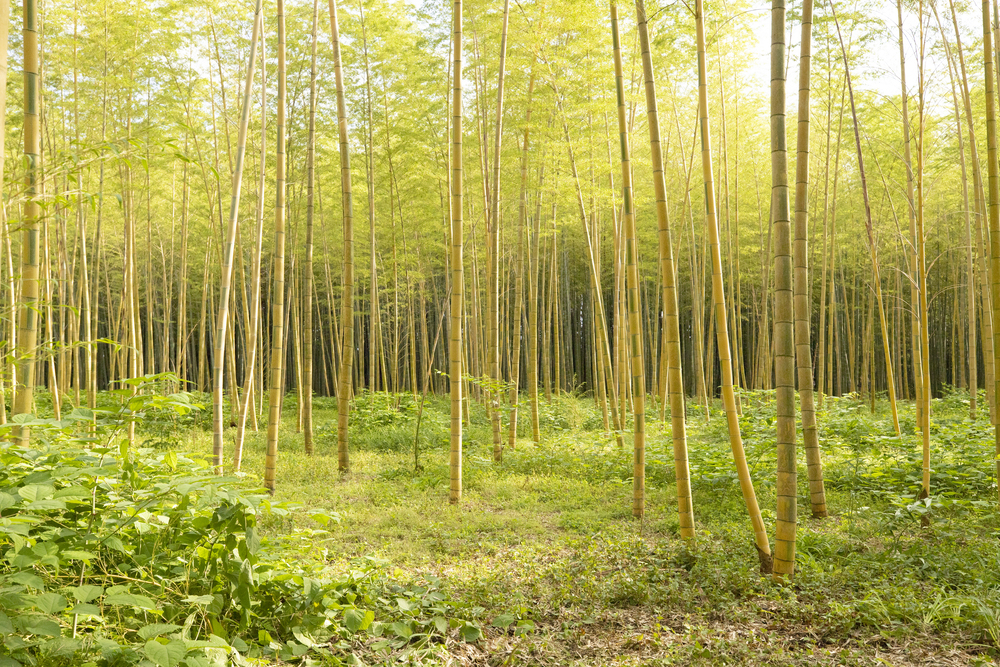
A sunny day in the bamboo forest – Photo Credit: Wakayama Farm Inc.
Your café uses local ingredients. How do you work with neighboring farms, and what’s a must-try dish or drink?
Our café serves seasonal dishes using our own harvest, such as bamboo shoots in spring, blueberries in summer, and chestnuts in the fall, as well as local ingredients like vegetables, fruits, rice, meat, eggs, ice cream, milk, and more. We also sell processed products from neighboring farms at our gift shop. We highly recommend that you try our “Wakatake Lunch Box,” which is filled with seasonal local ingredients, and not to mention our rich ice cream!
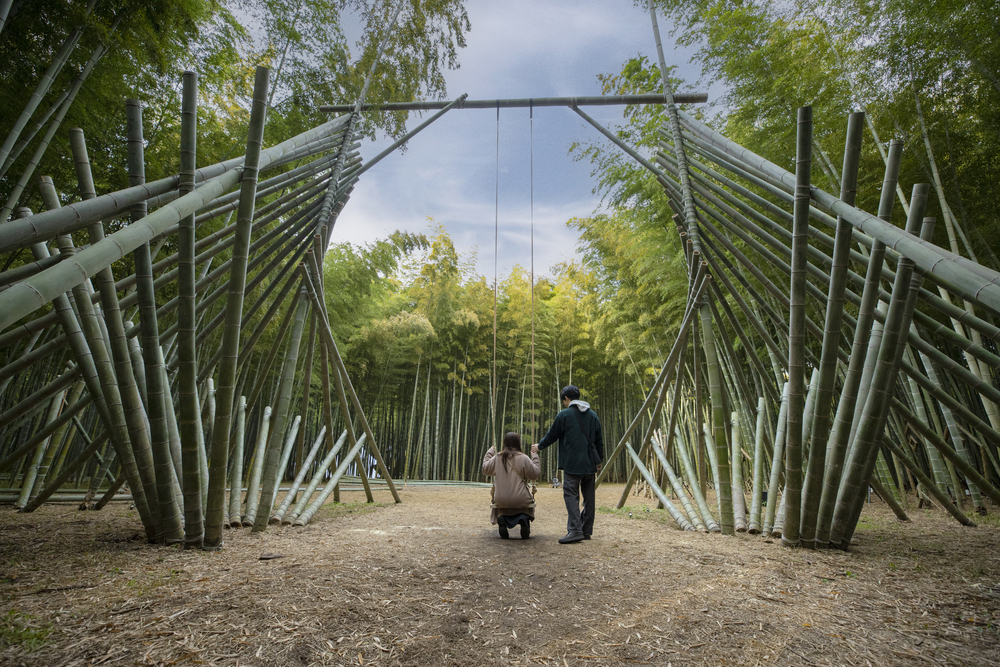
Hanging a hammock between the bamboo sounds so relaxing. What do visitors usually enjoy most while camping in the forest, and do you ever set up a hammock yourself to enjoy?
It all started with my personal experience: many years ago, when I was tired after working in the bamboo forest, I lay down on the ground and looked up at the sky through a screen of green bamboo leaves. I loved that relaxing moment, so I really wanted to offer the same experience to my guests. Now my dream has come true, and we can offer a casual hammock experience in the forest during the day and a hammock-style camping experience at night. I recommend both, but if you don’t have time, you can enjoy just lying down on the bamboo climbing platform set up in the bamboo forest and looking up at the sky.
Guests who camp at our farm will enjoy the silence, but also the sounds of the bamboo leaves rustling in the wind. A night spent floating in the air will be a special memory that lasts a lifetime.
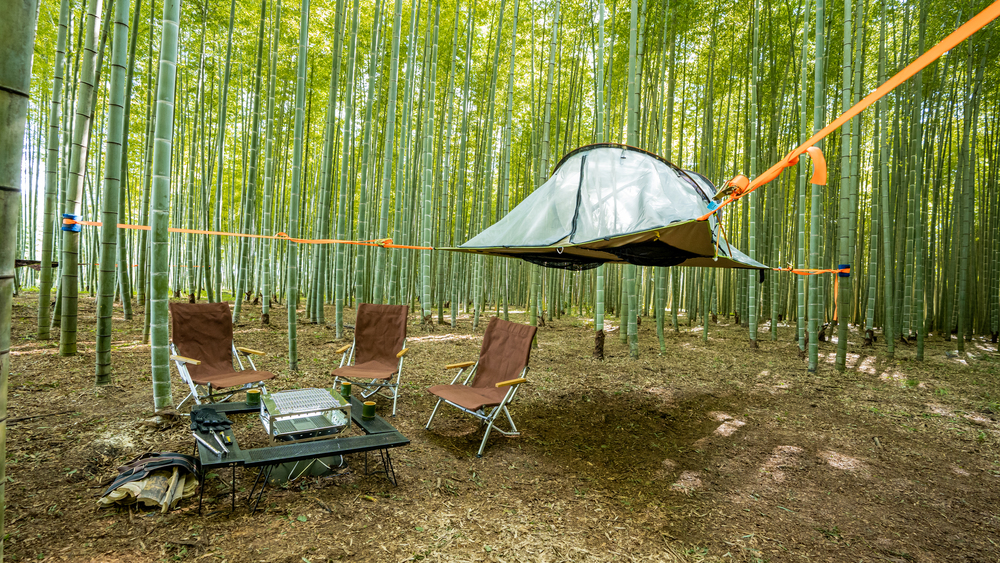
Bamboo forest campsite with hammock tent – Photo Credit: Wakayama Farm Inc.
Can you share a memorable moment with a guest, whether it’s from a harvest, a craft, or just walking in the forest?
Since starting our tourism business nine years ago, we have welcomed many guests and created many fond memories. One of the most precious memories for me was teaching children about the wonders of bamboo and having them make and play with water guns, bows, and arrows made out of bamboo. It was a heartwarming experience for me to see children, who are usually absorbed in digital games, playing with bamboo with shining eyes. I hope that many children will have the opportunity to “touch” bamboo, “learn” bamboo, and grow to “love” bamboo.
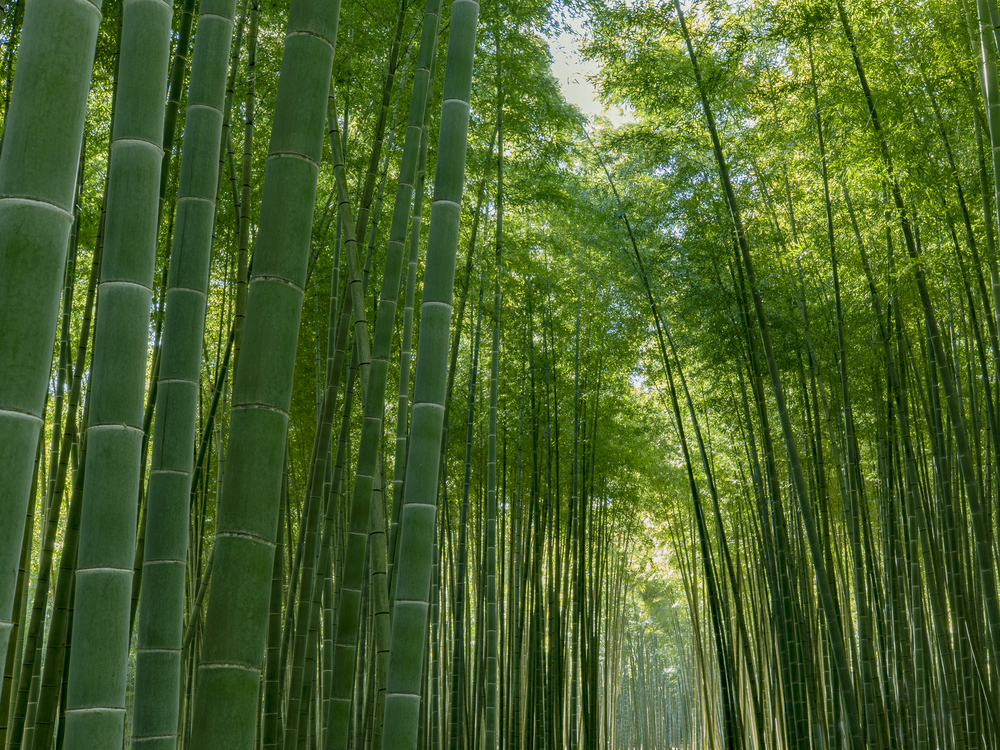
The forest canopy above a long pathway through the bamboo – Photo Credit: Wakayama Farm Inc.
Lastly, what do you hope guests take away from their visit beyond just the sights and experiences?
Our bamboo forest is a place where one can connect with nature, spend time with loved ones, and take photos that will fill up your phone’s memory, but we also hope our guests think about bamboo even after they go home. Bamboo is a truly sustainable plant, and there are a variety of ways to use it. For example, by continuing to use the bamboo cup you take home after drinking matcha at Wakayama Farm, you will be contributing a little to saving the planet by reducing carbon emissions.
Thank you, Wakayama san, for sharing your time, insights, and passion for bamboo and sustainable farming. From strolling through sunlit groves to tasting fresh seasonal harvests, every corner of Wakayama Farm offers a moment to connect with the land and its people.
Whether you’re visiting for a day of adventure, a quiet escape, or simply to learn more about Japan’s living traditions, their warmth and dedication make it an experience worth remembering.
Read more about Wakayama Farm on:
Website (English): https://en.wakayamafarm.com/
Instagram: https://www.instagram.com/wakayama_farm/
X: https://twitter.com/wakayama_farm
Facebook: https://www.facebook.com/wakayamafarm.inc/
YouTube: https://www.youtube.com/channel/UC96KJH2hEjzspSD1CdiNZeg
Featured Photo Credit: Wakayama Farm Inc.
Looking to explore more of Japan’s countryside, but not sure where to start? Let our Tailored Travel team craft you a perfect off-the-beaten-path adventure, perfectly tailored just to you!
PIN THIS FOR LATER