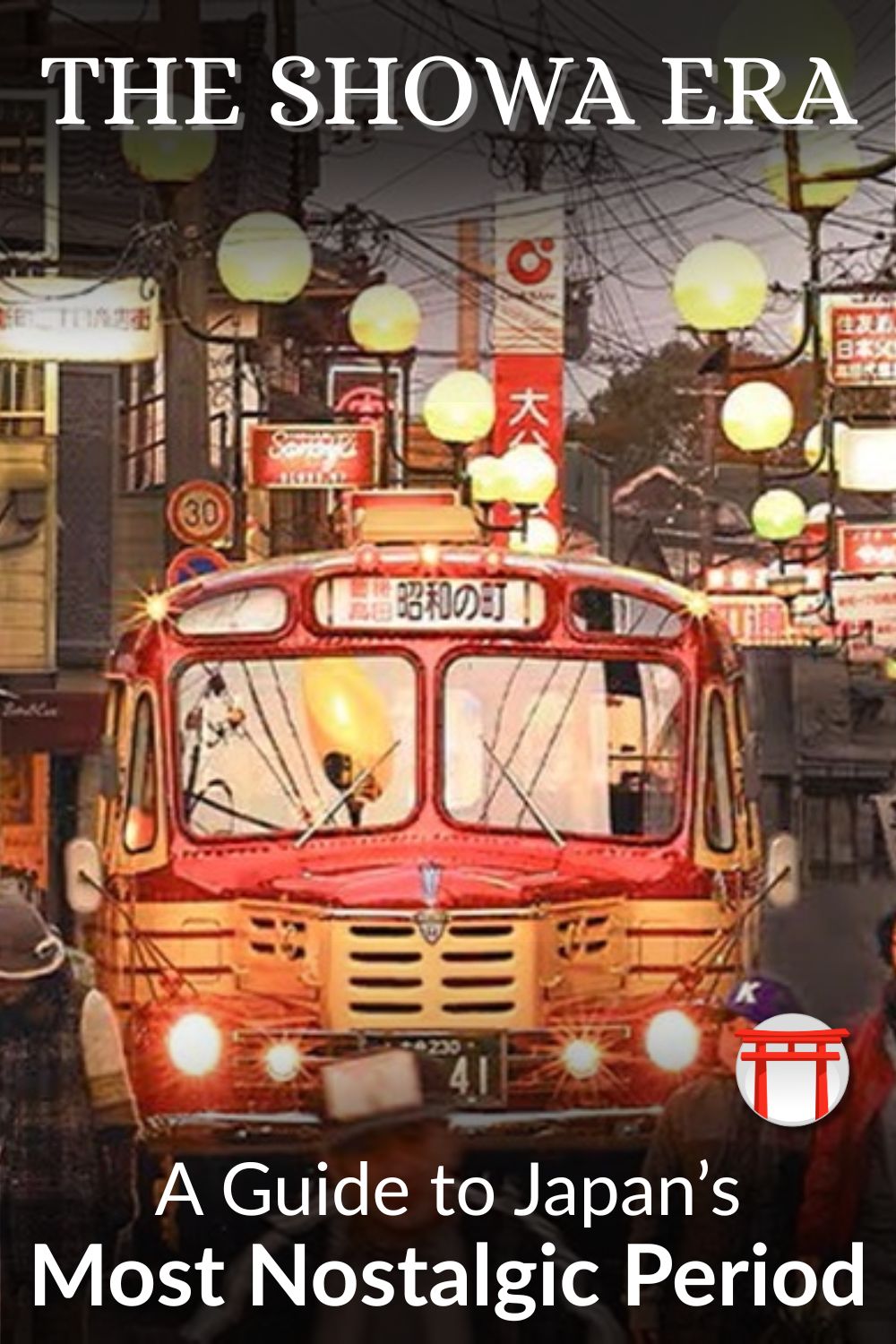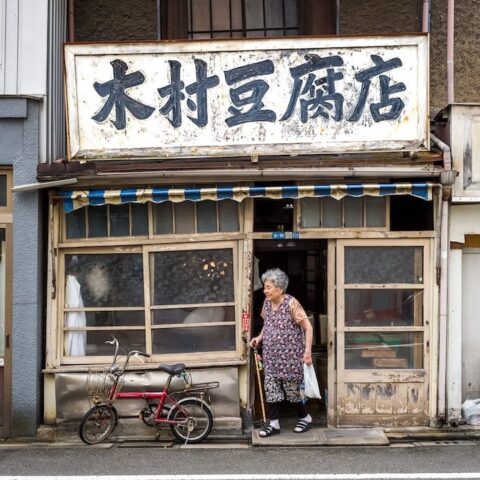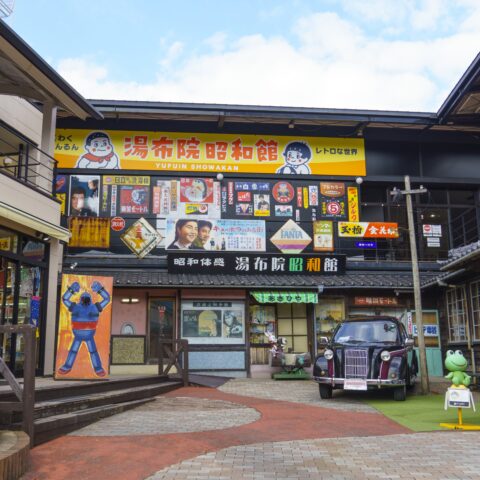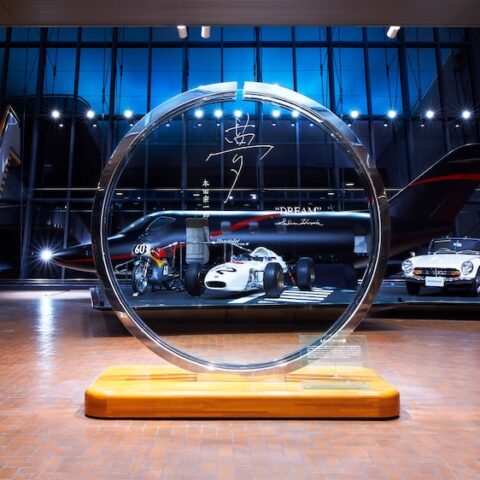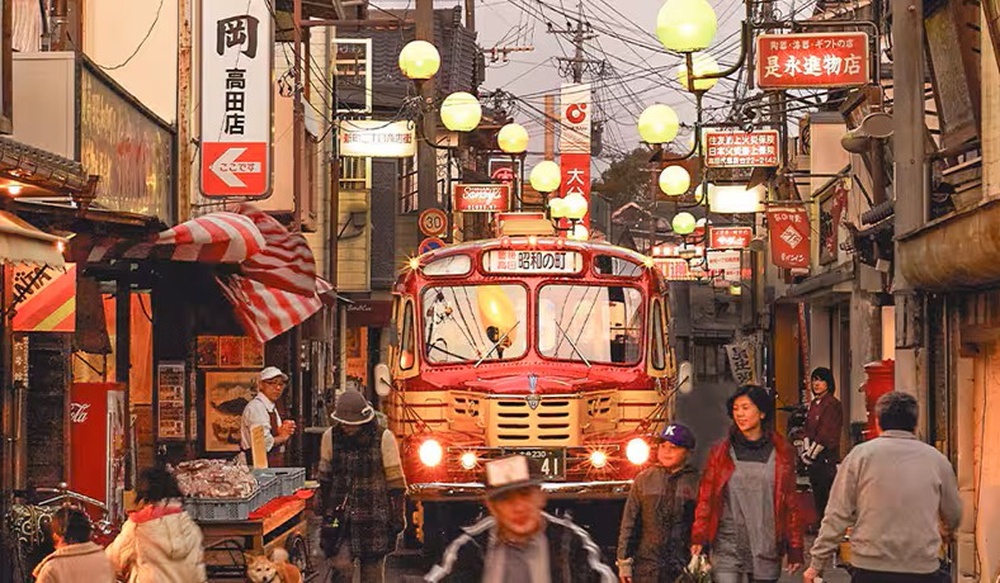
This year marks 100 years since the Showa Era began in 1926, and somehow, it still feels incredibly present. Even if you weren’t born anywhere close to this time, Showa lives on in Japan’s cities, pop culture, and everyday habits. Walk down a retro shopping street, hear an old enka song drifting from a radio, or spot a faded movie poster in a café, and there it is: Showa, quietly waving hello.
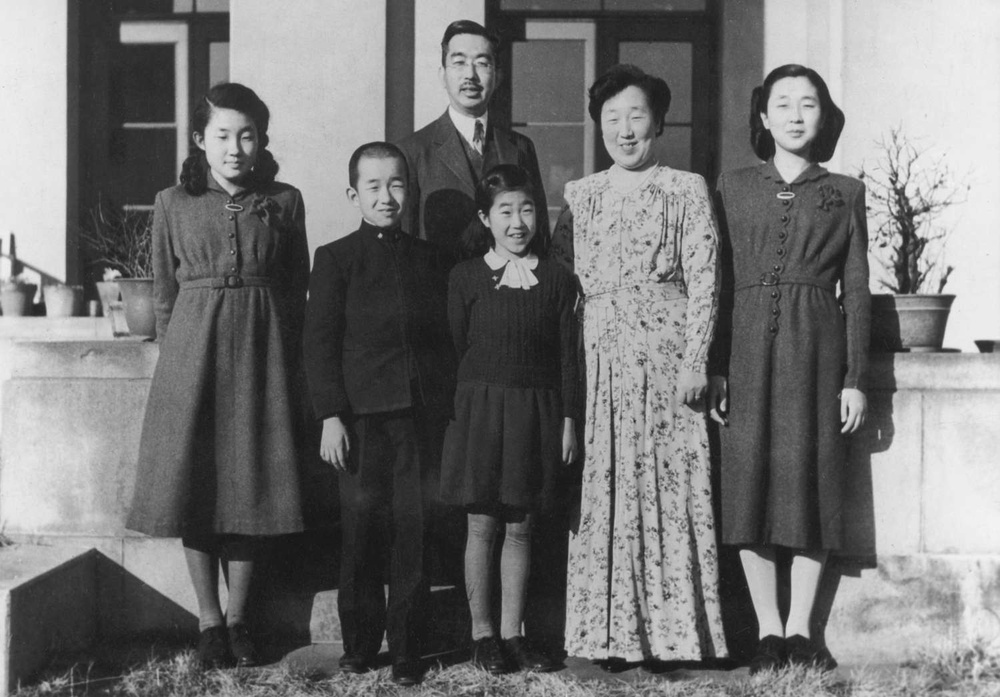
Emperor Hirohito and his family – Photo Credit: ThoughtCo.
A Quick Look Back at the Showa Era
In Japan, eras literally reset with the arrival of a new emperor, beginning on the exact day the emperor ascended the throne, and from that moment, the era name is used everywhere alongside the Western calendar, from official documents and coins to newspapers and everyday life.
The Showa era (1926-1989), under Emperor Showa (also known as Emperor Hirohito), packs nearly all of modern Japanese history into one lifetime. It begins with political unrest and economic struggle, shifts into strong nationalism and militarism in the 1930s, and ends the first half in the devastation of World War II after the atomic bombings of Hiroshima and Nagasaki in 1945. From those ruins, Japan was rebuilt during the Allied occupation, gaining democracy, a pacifist constitution in 1947, and an emperor who became a symbol rather than a ruler. What followed was a stunning comeback: the Japanese Economic Miracle. During this period, cities grew rapidly, living standards improved, and Japanese products reached the global stage, symbolized by events like the 1964 Tokyo Olympics. The era ended in the late 1980s with the bubble economy, leaving Showa remembered for both deep trauma and an extraordinary recovery.
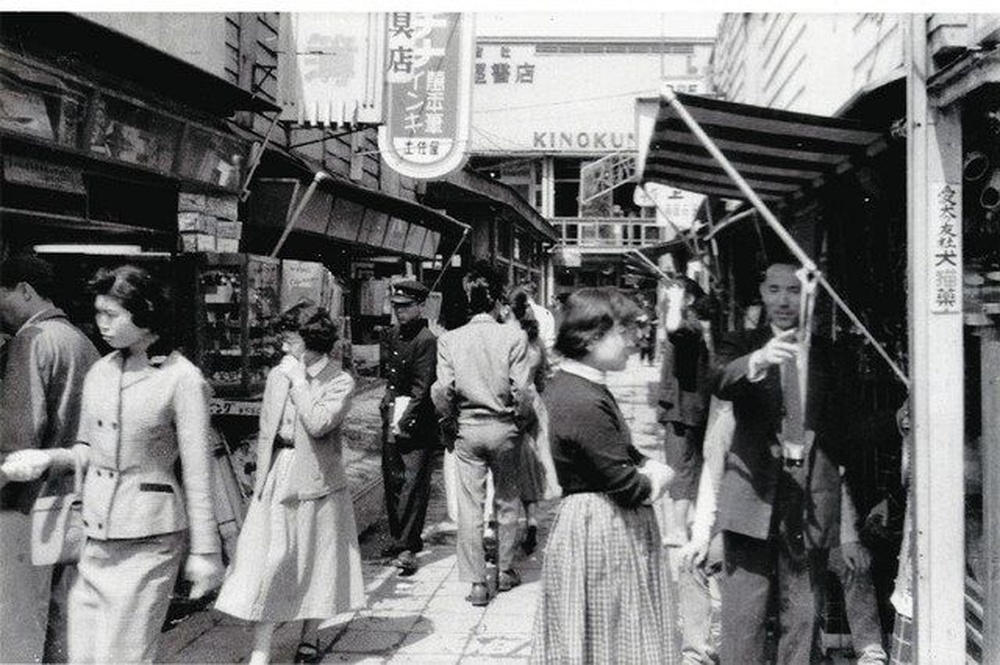
A lively shopping street near Shinjuku Station, photographed in spring 1957 – Photo Credit: Tokyo Shinbun
The End of an Era, the Start of an Aesthetic
The Showa Retro style grew out of real, everyday places that never quite changed with the times, streets, cafés, bars, and neighborhoods that just kept going, like Shinjuku Golden Gai, Yanaka, Shinsekai, and small alleyways such as Harmonica Yokocho. Neon-lit nightlife areas, narrow alleyways, old-school cafés, and local shopping streets set the tone. Instead of starting from scratch, designers and shop owners worked with what was already there: hand-painted signs, warm lights, chrome chairs, vinyl seats, wood-paneled walls, rotary phones, and cozy, slightly cluttered spaces that felt lived-in. Neon lights, especially at night, became a key symbol of the era’s energy and optimism.
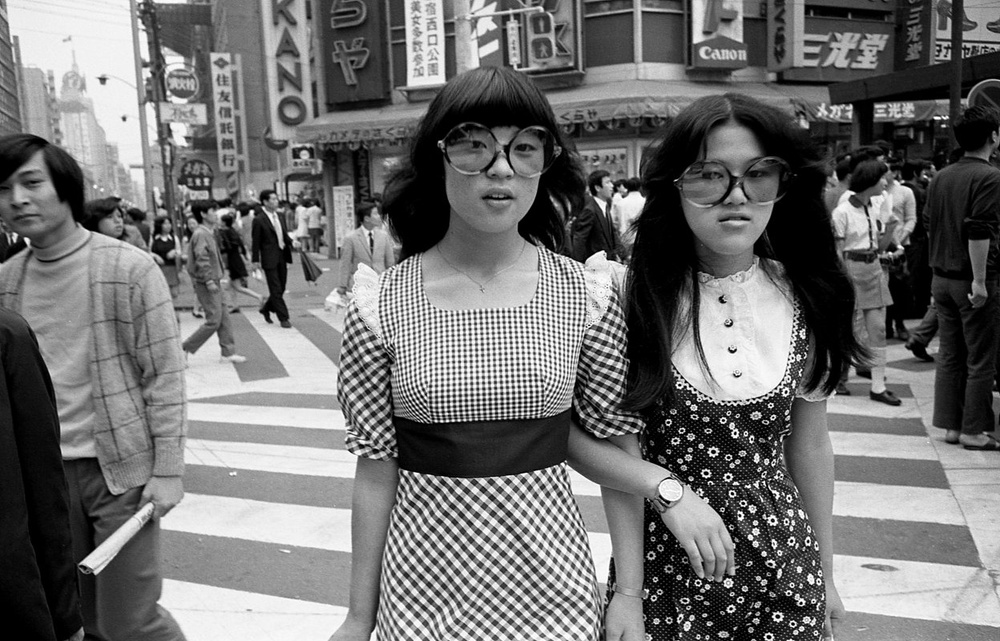
Girls at Shinjuku Station East Exit (1970) – Photo Credit: Camerafan
The inspiration came from both Japan and abroad. Late-Showa Japan was influenced by Western culture, especially American jazz cafés, diners, pop music, and advertising, but it never copied them outright. Instead, those ideas were adapted to fit local life: smaller spaces, denser signage, layered visuals, and a strong sense of community. The result is a style that feels unmistakably Japanese, nostalgic but sincere, colorful but not flashy, and a little messy in a warm, human way. Showa Retro isn’t about perfectly recreating the past; it’s about capturing how it felt: lively, welcoming, and glowing with everyday optimism.
And if you want to truly live the full Showa Retro experience (walking these streets, soaking in the atmosphere, and understanding the stories behind it all), join one of our retro tours led by local experts. They’re the perfect way to experience Japan’s retro side through great company, hidden spots, and insider insights.
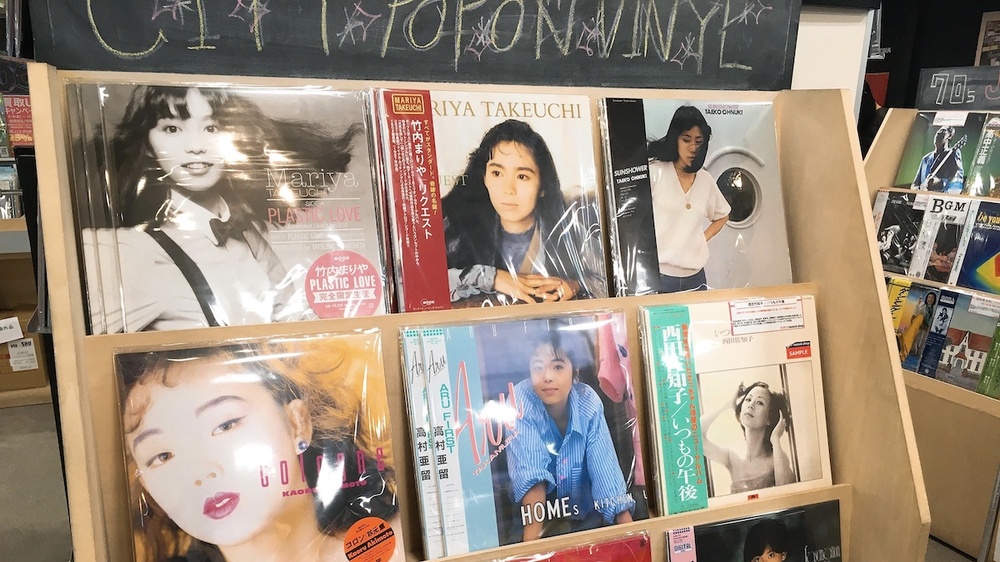
City pop vinyl records – Photo Credit: Brutus
The Soundtrack of an Era
Music during the Showa era played a huge role in shaping modern Japanese culture. It was a time of experimentation, when traditional sounds blended naturally with jazz, pop, rock, and soul influences from abroad, creating music that felt fresh but deeply emotional. As cities grew and everyday life became more modern, music became the soundtrack of late nights, crowded trains, cafés, and neon-lit streets.
A standout from this period is city pop, a smooth, urban style that captured the mood of late-Showa optimism; stylish, relaxed, and slightly dreamy. One song in particular, Stay With Me by Miki Matsubara, has become the genre’s most iconic track, unexpectedly going viral worldwide again in the last few years. Its warm groove and bittersweet vocals resonated with a new global audience, proving how timeless Showa-era music really is. Alongside this, the foundations of modern J-pop were also formed during the Showa era, growing out of styles like kayokyoku, idol pop, and city pop, long before the term “J-pop” itself was widely used. Today, this music continues to influence modern artists, visual aesthetics, and how people imagine Japan’s past: nostalgic, emotional, and glowing softly under city lights.
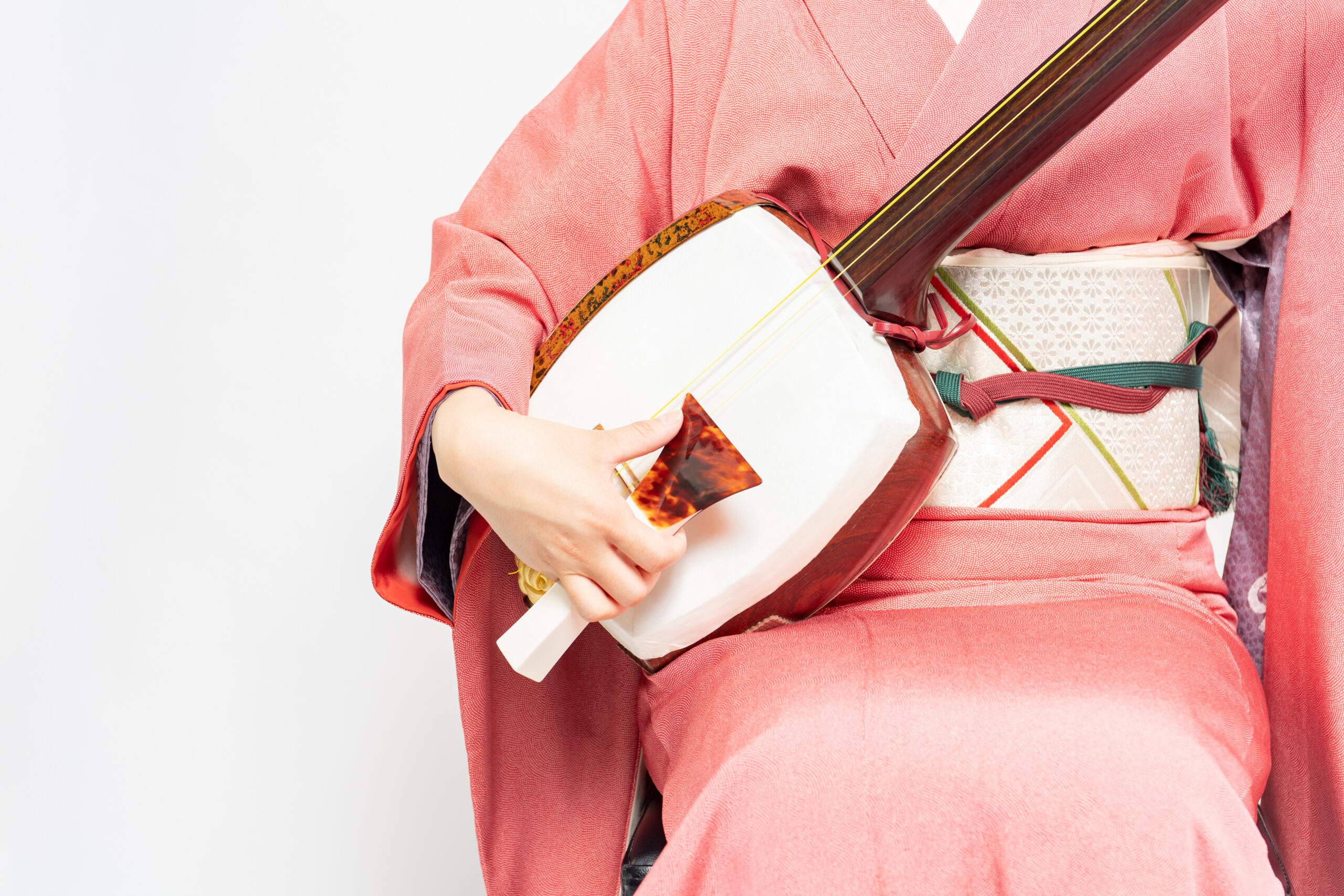
Shamisen, an instrument frequently used in enka – Photo Credit: GARAGE38
Another iconic and important music style, though not as globally known as city pop, is enka. Originally created during the Meiji era, enka evolved into its modern form during Showa, where it became the voice of deep emotion: love, heartbreak, longing, and nostalgia. With dramatic melodies and powerful vocals, it captured everyday feelings in a rapidly changing Japan. Legendary singers like Hibari Misora helped define its Showa sound, making enka inseparable from the warm, emotional memory of the time.
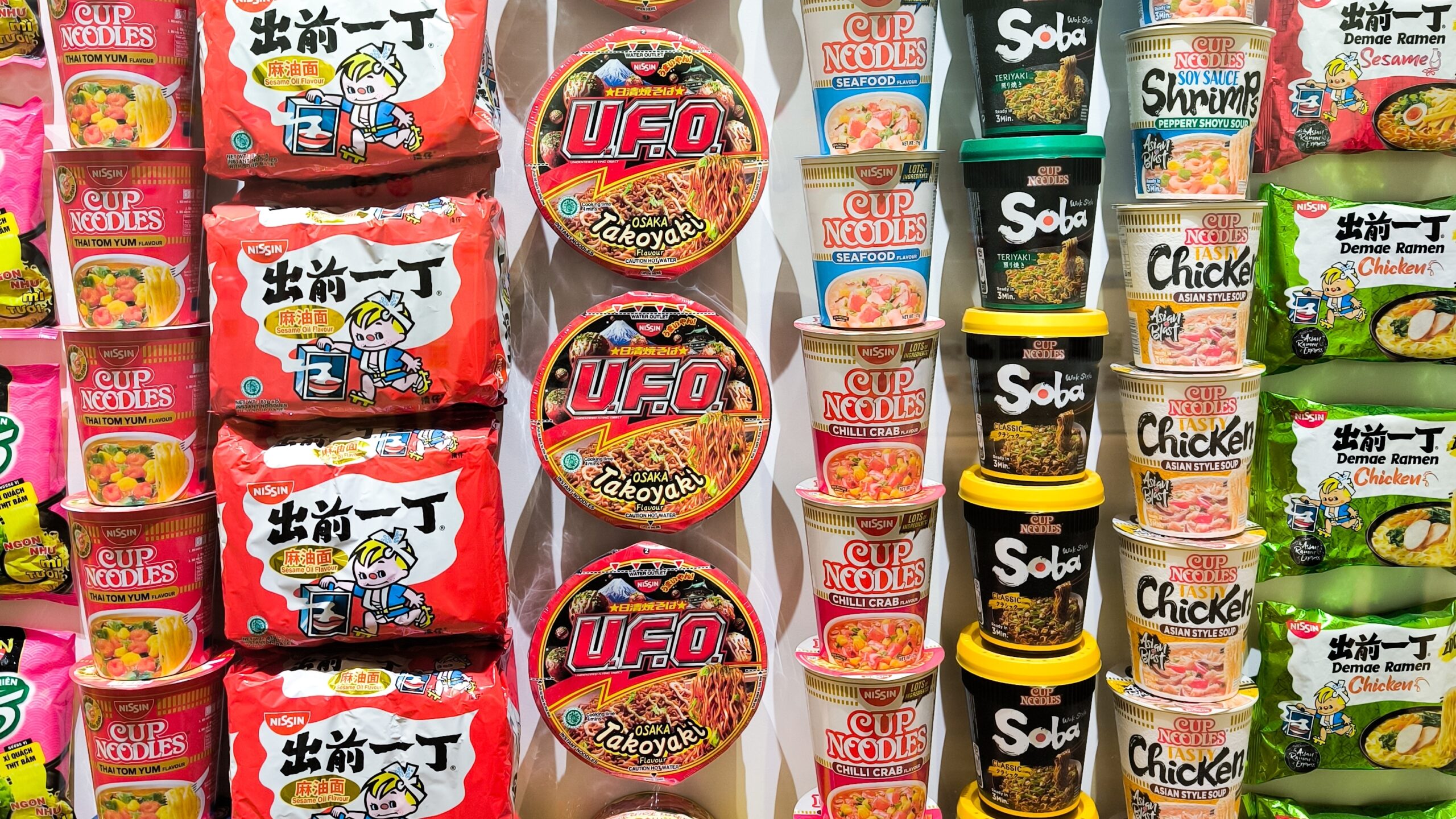
A variety of instant ramen and cup ramen – Photo Credit: Adriyani
The Taste of Everyday Showa Life
The Showa era was a true food boom that reshaped how Japan eats, mixing rapid industrial innovation with warmly “Japanized” Western comfort food. This was the era that introduced instant ramen (1958) and Cup Noodles (1971), game-changers that went on to conquer the world, along with retort curry (1968), which brought curry rice into everyday homes with ease. At the same time, classic yoshoku dishes like ketchup-based Spaghetti Napolitan and creamy Doria became café staples, while the 1980s even saw the unexpected arrival of salmon sushi through Norwegian imports. Iconic snacks such as chocolate-coated Pocky and the ever-present Umaibo were also born during Showa, creating a nostalgic food culture that still feels like the soul food of modern Japan.
The Showa era may have officially ended 37 years ago, but its spirit never really died. It lingers in the old, cozy, glowing alleyways, in songs that feel like memories you never lived, and in the comforting taste of everyday food that still feels like home. Showa isn’t about perfection or polish; it’s about warmth, resilience, and the beauty of ordinary life moving forward together. Whether you encounter it through music, streets, or quiet cafés frozen in time, Showa invites you to slow down, look closer, and feel Japan’s past still gently glowing in the present.
Featured Photo Credit: ANA
Join our Retro Shibuya food tour for a deep dive into Japan’s charming Showa Era past!
PIN THIS FOR LATER