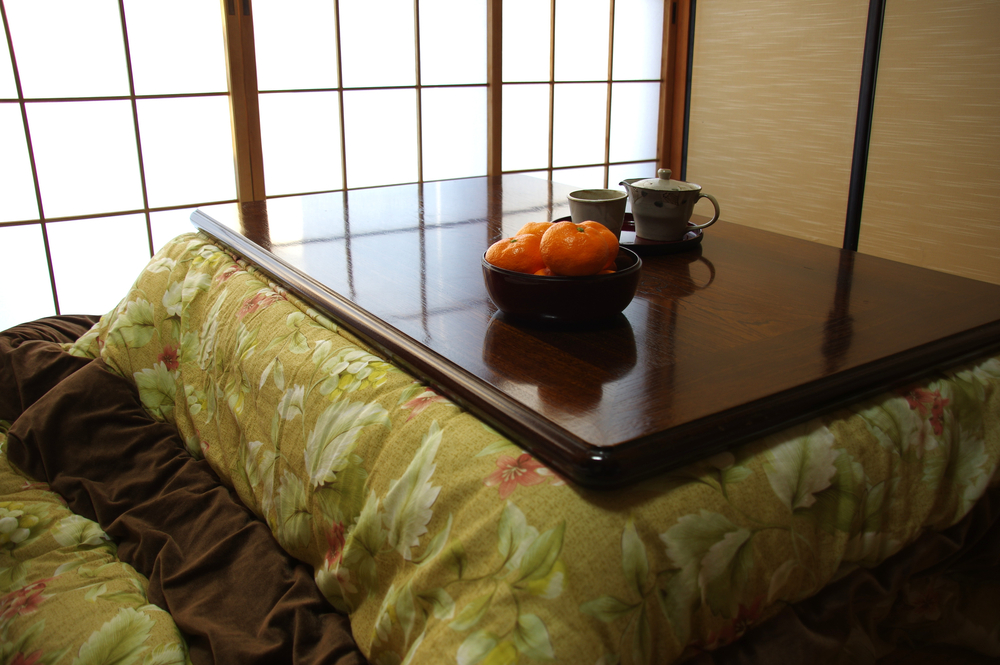
If you have ever visited Japan in winter, you may have come across one of the coziest inventions of all time: the kotatsu (炬燵, heated table). This traditional piece of furniture is more than just a way to stay warm. It represents comfort, family bonding, and the art of enjoying simple pleasures during the colder months. Let’s dive into the history, cultural significance, and seasonal role of the kotatsu.
What is a kotatsu?
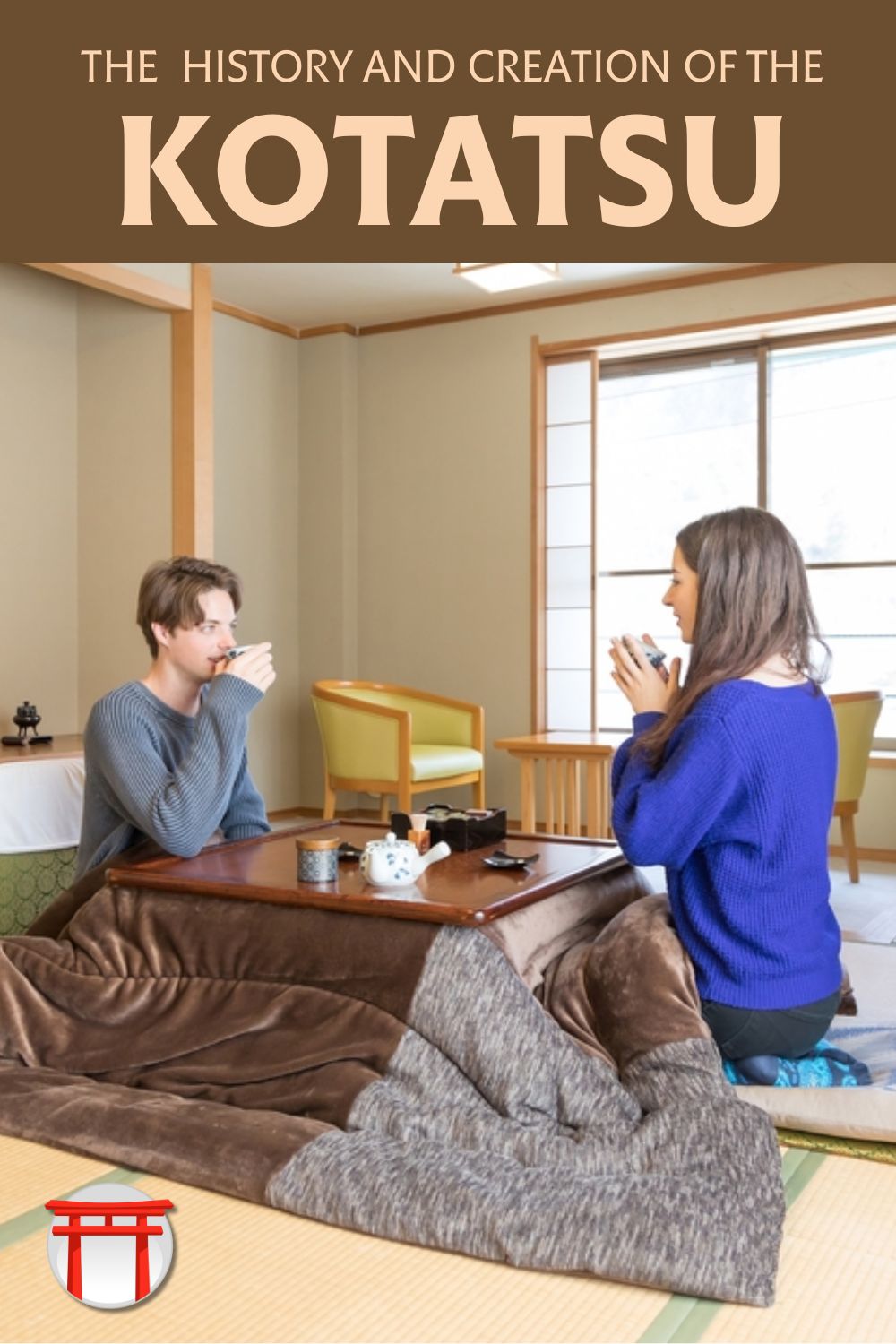
A kotatsu is a low wooden table covered by a thick futon (布団, quilt) with a heat source underneath. Today, the heat usually comes from an electric heater attached to the underside of the table. In the past, it was provided by a charcoal brazier. Families sit with their legs tucked under the blanket, sharing warmth while eating, relaxing, or watching television together.
This combination of warmth and togetherness is what makes the kotatsu so beloved in Japanese homes. For many, it is not just furniture but a seasonal lifestyle.
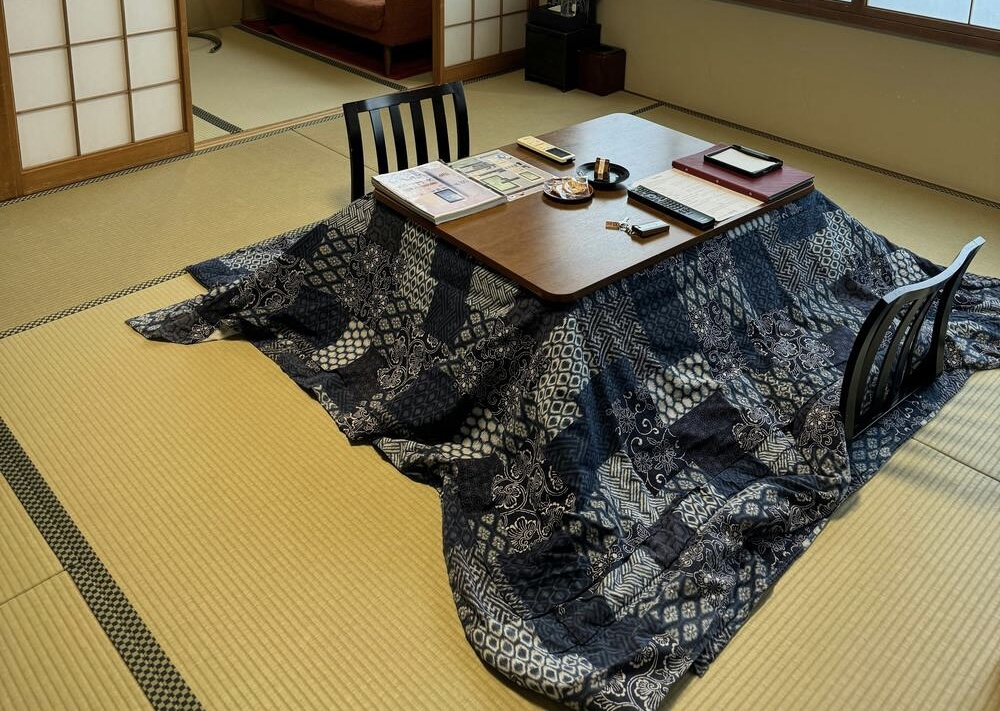
Kotatsu at a traditional inn – Photo Credit: Yelena
Origins of the kotatsu
The roots of the kotatsu can be traced back to the 14th century during the Muromachi period (1336–1573). At that time, homes were heated by the irori (囲炉裏, sunken hearth), an open fire pit built into the floor. People placed a wooden frame over the irori and covered it with a cloth to trap the heat. This early version became the foundation of the kotatsu.
During the Edo period (1603–1868), the concept evolved. Instead of an open hearth, households began using the hibachi (火鉢, portable brazier). By placing a quilt over a wooden structure that sat above the hibachi, families could create a movable and safer source of warmth. This portable adaptation spread widely across Japan and cemented the kotatsu as a household essential.

A boy and a cat snuggling in a kotatsu – Photo Credit: PublicDomainQ
Modern transformation
By the 20th century, electricity replaced charcoal. The modern electric kotatsu became safer, cleaner, and easier to use. It no longer depended on fire, which meant less smoke and reduced risk of burns. The futon also grew softer and warmer thanks to improvements in fabric and filling.
Today, you can find kotatsu in different sizes, styles, and even with features like adjustable heaters or removable tops for easy cleaning. While most Japanese homes have modern heating systems, the kotatsu continues to be popular because of its cultural value and nostalgic charm.
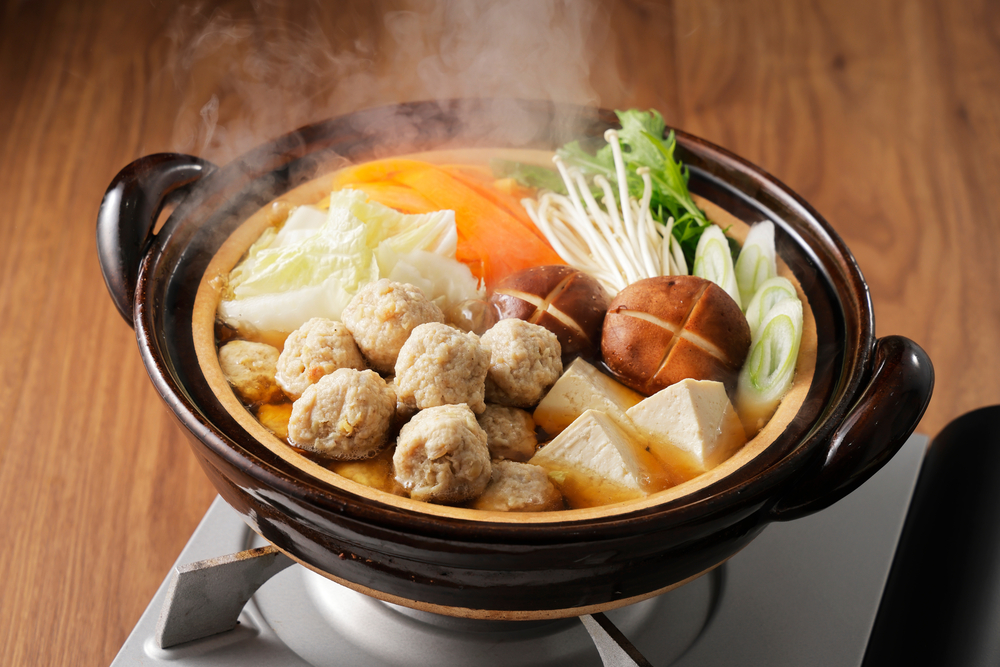
Tasty Japanese hot pot – Photo Credit: Nishihama
Kotatsu and the winter season
The kotatsu shines during winter, when temperatures drop, and snow covers parts of Japan. It becomes the heart of the home, a cozy haven from the chill outside. Families and friends naturally gather around it, enjoying the warmth together.
Winter foods and traditions are closely tied to the kotatsu experience. Eating nabe (鍋, hot pot) while sitting under the blanket is a quintessential winter activity. Seasonal snacks like mandarins, chestnuts, and sweet potatoes are often shared around the kotatsu, adding flavour to the season. Children may do homework or play games while staying snug under the quilt, while adults relax with tea, conversation, or watching television.
The kotatsu also embodies the Japanese concept of wabi-sabi (侘寂, appreciating beauty in simplicity and imperfection). In the quiet winter months, it encourages slowing down, enjoying small pleasures, and connecting with loved ones. This is why, even in modern homes with central heating, the kotatsu remains a winter favourite.
Cultural and seasonal role
The kotatsu is not just a heater. It is part of Japan’s seasonal rhythm. As autumn turns to winter, families bring out the kotatsu to mark the start of the cold season. Sitting around it becomes a cherished routine. People enjoy nabe, mandarins, tea, or simply conversations while keeping their legs warm.
The kotatsu also plays a role in Japanese pop culture. You will often see it appear in anime, manga, and television dramas as a symbol of coziness and togetherness. For many, the kotatsu is where memories are created, especially during the New Year holidays when relatives gather at home.

Happy family sharing a kotatsu – Photo Credit: PublicDomainQ
Experiencing a kotatsu today
If you travel to Japan in winter, you might be lucky enough to experience a kotatsu in a ryokan (旅館, traditional inn) or even in certain cafés. Some hot spring resorts set them up for guests, allowing you to enjoy the warmth while looking out at snowy landscapes. There are even outdoor kotatsu experiences, where the combination of cold air and cozy heat feels especially magical.
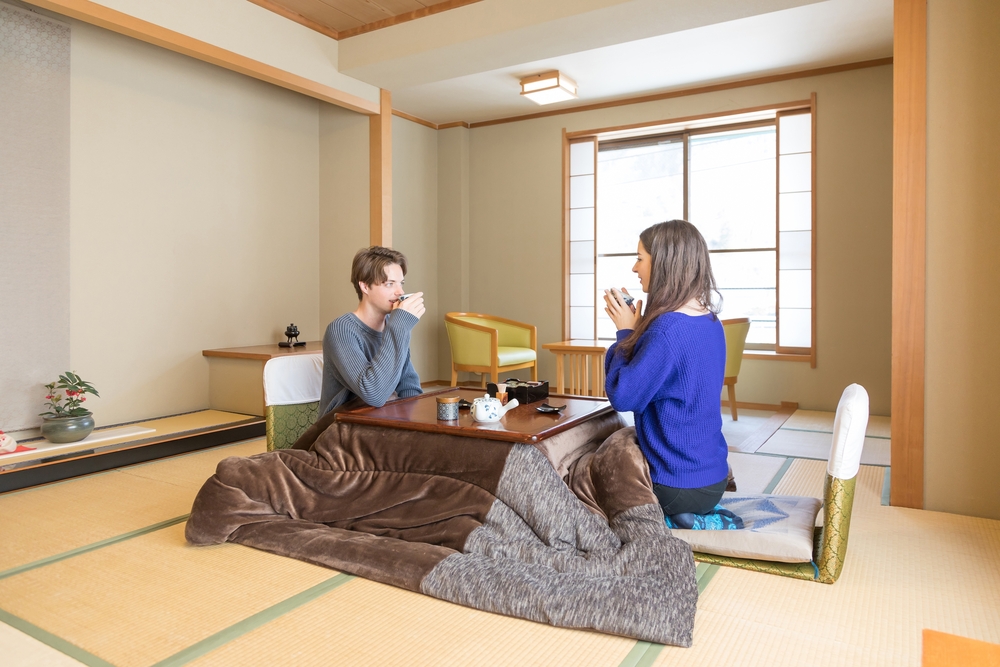
Couple sipping tea in a kotatsu – Photo Credit: Zoey106
Why the kotatsu endures
Despite modern heating systems, the kotatsu remains loved in Japan. It is efficient because it warms people directly instead of heating the whole room. More importantly, it fosters a sense of community. Unlike central heating, which spreads people around the house, the kotatsu gathers everyone in one place.
It is this blend of practicality, tradition, and human connection that explains why the kotatsu has endured for centuries.
The kotatsu is more than a clever piece of winter furniture. It is a cultural icon that captures the essence of Japanese winters: warmth, simplicity, and togetherness. Whether you are sharing a meal, watching snow fall outside, or just napping with your legs tucked under the quilt, the kotatsu creates moments that are as timeless as its history.
So, next time you visit Japan in winter, make sure to find a kotatsu and experience one of the coziest traditions the country has to offer.
Featured Photo Credit: NAPORITAN
Planning a trip to Japan this Winter? Contact our Tailored Travel team today and get ready to explore and taste all this incredible country has to offer!
PIN THIS FOR LATER