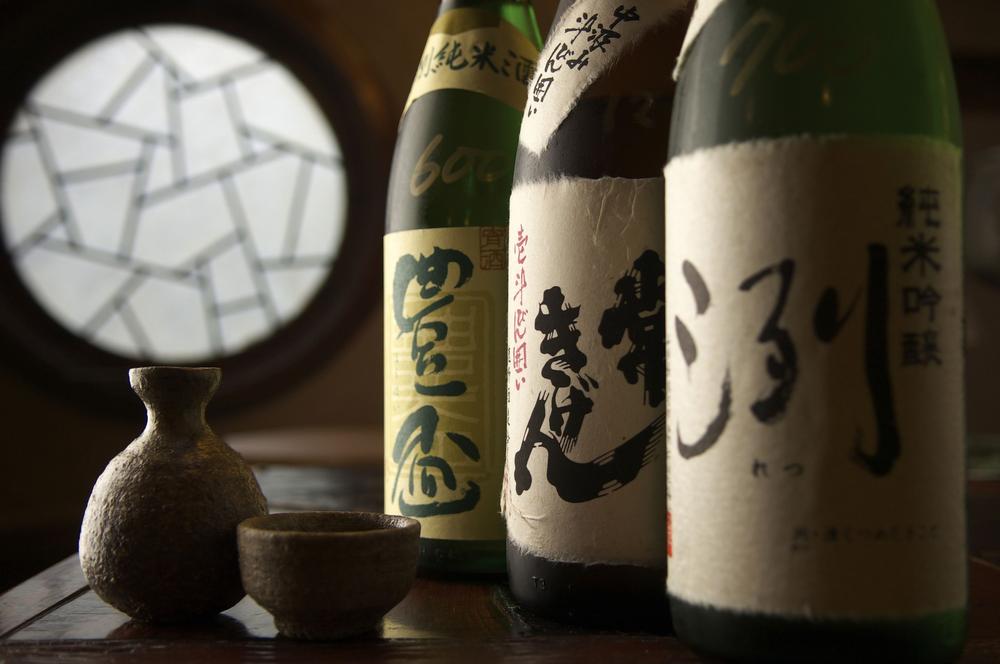
Every country has its signature drink: vodka in Russia, tequila in Mexico, and wine in France. For Japan, the first word that probably comes to mind is sake. But actually, the correct word is nihonshu (日本酒), which literally means “Japanese alcohol”. Here’s a fun twist: in Japan, sake (酒) actually means alcohol in general! In today’s blog, we’re going to learn a bit more about this wonderful alcoholic beverage that has a very well-deserved reputation.
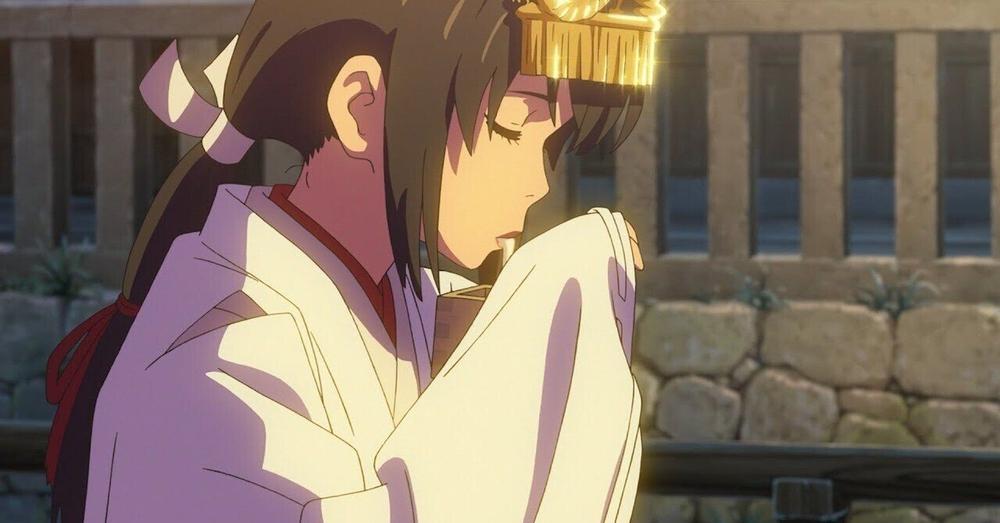
Kuchikami-zake process in “Your Name” – Photo Credit: No+e
A Quick Look into the Past
The history of nihonshu dates back over 2,000 years, to the early days of rice cultivation in Japan. Its origins are humble and surprising. It likely began when people noticed that naturally fermented rice produced a pleasant aroma and a mildly intoxicating effect.
One of the earliest versions was kuchikami-zake (口噛み酒), or “mouth-chewed sake”, made by chewing rice or grains and letting them ferment naturally as the enzymes in saliva started the process. But don’t worry, this method isn’t used anymore! This ancient drink was also produced amongst the Ainu, in Okinawa, and even in parts of Southeast Asia, Africa, and the Americas, where similar fermentation traditions existed.
Additionally, if you’re an anime lover, I’m sure you have seen this kuchikami-zake process before in none other than the multi-award-winning film, “Your Name”, where the protagonist Mitsuha performs a shrine ritual where she chews rice, spits it out, and ferments it to make kuchikamizake, a sacred sake said to hold her spirit.
Anyway, back to the story of nihonshu!
By the Nara period (8th century), sake production was already an important part of temple life, with monks perfecting brewing methods for religious offerings. During the Heian and Kamakura periods, sake became increasingly popular among nobles and warriors, and by the Edo period (1603-1868), it had become a staple of daily life and celebration throughout Japan. Breweries began to appear in regions blessed with pure water and high-quality rice, laying the foundation for Japan’s diverse regional sake styles we know today.
What started as a simple fermented rice drink grew into a symbol of Japanese culture that’s cherished at festivals, ceremonies, and shared moments around the table.
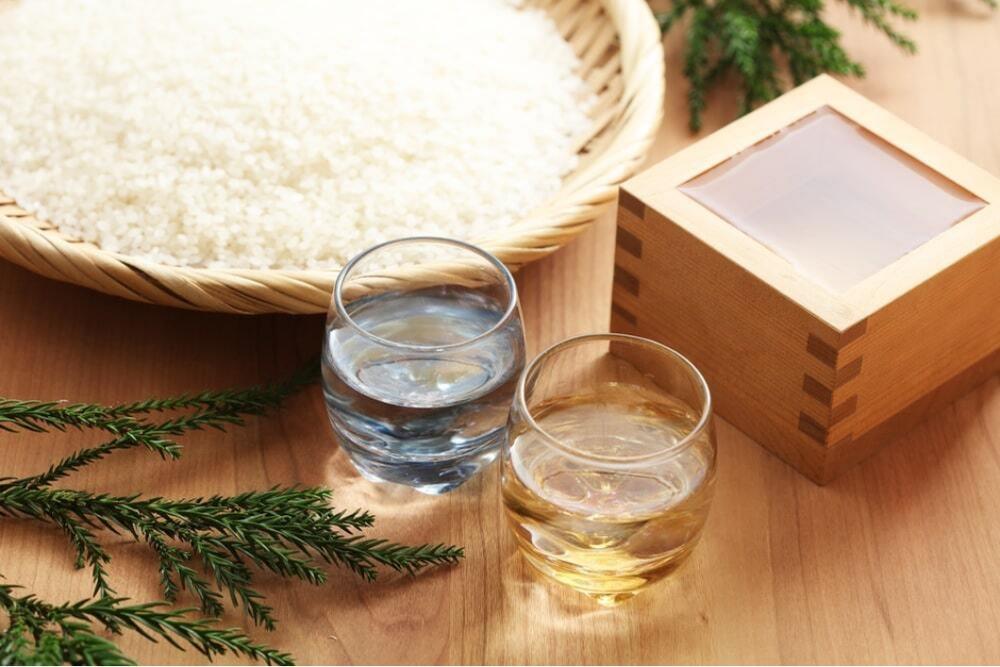
Kyoto’s Gekkeikan Sake – Photo Credit: GEKKEIKAN
Regional Sake
As sake spread across Japan, every region started creating its own unique style, shaped by the local water, rice, and climate. Today, trying different sakes is like tasting Japan’s geography in a glass! So let’s see their differences:
Kyoto
Kyoto is one of Japan’s most famous sake regions, especially the Fushimi district, which has brewed sake for over 400 years. The area’s soft, pure underground water (known as Fushimizu) creates smooth, slightly sweet sake that reflects Kyoto’s refined culinary culture. Once the imperial capital, Kyoto, developed a sake style prized for its balance and elegance, perfectly matching its traditional cuisine. Today, historic breweries like Gekkeikan and Kizakura continue the legacy, making Fushimi one of Japan’s top three sake-producing areas and a must-visit destination for sake lovers.
If you ever want to explore the world of sake, most especially while enjoying, our Luxury Sake Tour in Kyoto is the perfect experience. You’ll stroll through the city’s charming “Flower Districts”, visit award-winning bars, explore hidden alleys, and enjoy exquisite sake and food while discovering the stories behind Kyoto’s rich culture and craftsmanship.
Niigata
Niigata is one of Japan’s most renowned sake regions, famous for its clean, crisp, and dry style known as Tanrei Karakuchi. The region’s heavy snowfall provides pure, mineral-rich water that, along with high-quality rice varieties like Gohyakumangoku and Koshitanrei, creates sake with a light, refined taste. Home to over 80 breweries, Niigata emphasizes balance and subtlety, producing sake that pairs perfectly with its fresh seafood and delicate cuisine. Supported by sources such as the Niigata Sake Brewers Association and Enjyu Japan, Niigata’s brewing tradition reflects its natural purity and deep-rooted craftsmanship.
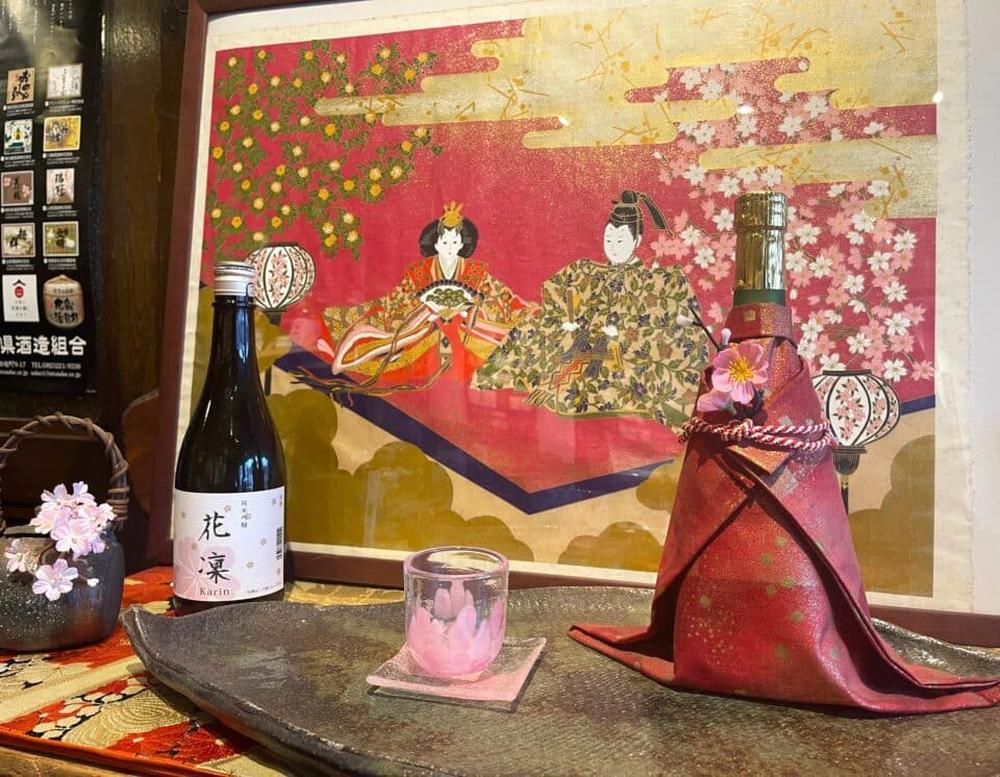
Nihonshu on the Saijo tour – Photo Credit: Arigato Travel
Hiroshima
Hiroshima is another of Japan’s most distinguished sake regions, celebrated for its smooth, mellow, and slightly sweet brews. The region’s success began in the late 19th century when brewers in Saijō, Hiroshima’s famous sake district, mastered the use of soft water (a challenge at the time) by developing gentle fermentation techniques that produced sake with an elegant aroma and delicate flavor. The area’s pure underground water, mild climate, and premium rice varieties like Hattannishiki contribute to its refined taste profile. Today, Hiroshima sake is known for its balance and depth, making it a perfect companion to both traditional Japanese cuisine and modern dishes.
If you’re in Hiroshima, our Sake Town Tour in Saijō offers a three-hour guided walk through the historic brewing district, where you’ll visit a few local breweries, taste different sake styles, and hear the stories behind each one. A local lunch and dessert are also included, making it a delicious and memorable way to experience Hiroshima’s sake culture up close.
Hyōgo
Hyōgo Prefecture, especially the Nada district in Kobe, is Japan’s largest and most influential sake-producing region. Its success comes from the perfect combination of Miyamizu, a mineral-rich hard water ideal for fermentation, and Yamada Nishiki, the “king of sake rice” cultivated locally. These natural advantages, along with a mild climate and proximity to Osaka Bay for shipping, have made Nada a sake powerhouse since the Edo period. Hyōgo sake is typically bold, dry, and full-bodied, with a clean finish and strong structure, the kind of sake prized by traditional drinkers and perfect for pairing with hearty Japanese dishes.
Akita
Located in Japan’s snowy north, Akita Prefecture produces sake known for its smooth, elegant, and subtly aromatic character. The region’s cold winters and pure melted snow water allow for long, slow fermentations that bring out gentle flavors and refined balance. Akita brewers often use local rice varieties such as Akita Sake Komachi, creating sake that embodies the regional style known as tanrei umakuchi, clean and light, yet flavorful. Akita’s sake culture is deeply rooted in craftsmanship and nature, resulting in brews that are graceful, harmonious, and beautifully expressive of northern Japan’s serene landscape.
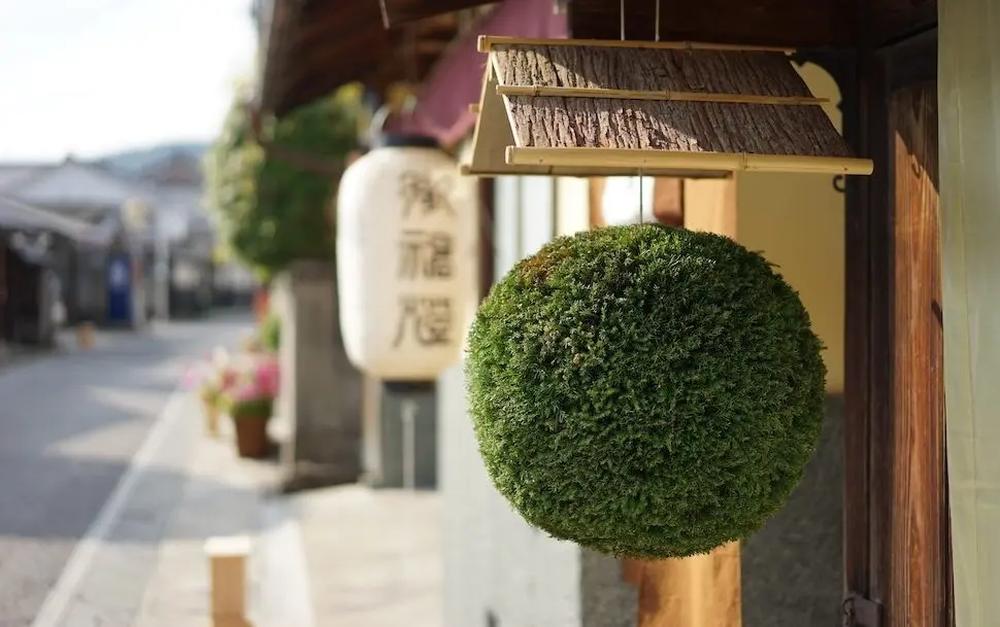
Sugidama hanging outside a sake brewery – Photo Credit: Sake World
Japan’s Natural Timer
A sugidama is a beautiful green ball made from fresh cedar branches, traditionally hung outside sake breweries to mark the start of a new brewing season. This custom began over 600 years ago, during the Muromachi period, at the Ōmiwa Shrine in Nara, the spiritual home of Japan’s sake gods. When first hung, the sugidama is bright green, announcing that new sake has just been made; as the cedar slowly turns brown, it signals that the sake has matured and is ready to enjoy. Beyond its practical use, the cedar symbolizes purity, protection, and good fortune.
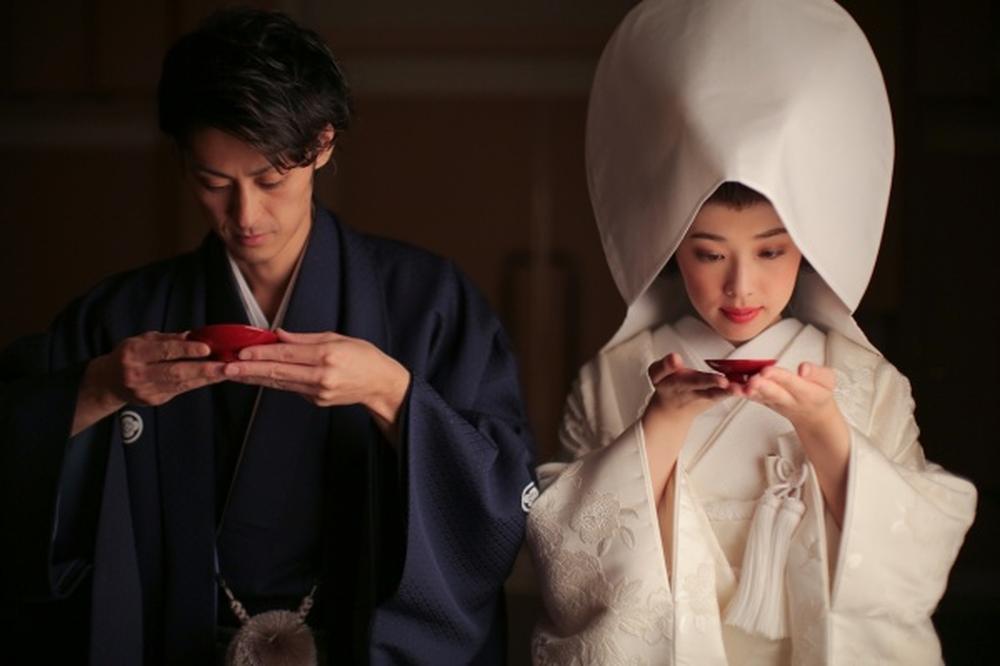
San-san-kudo – Photo Credit: Mazii
Sake In Rituals
Sake plays a sacred and symbolic role in Japanese traditions, deeply woven into rituals of purity, unity, and celebration. In Shinto ceremonies, sake (known as omiki) is offered to the gods as a gesture of gratitude and harmony, then shared among participants to symbolize a bond between humans and the divine. At weddings, couples perform the san-san-kudo ritual, taking three sips from three cups to represent unity and the joining of families. During New Year’s celebrations, families drink otoso, a spiced sake believed to purify the spirit and bring good fortune for the coming year. Sake also blesses new homes, like in the Jichinsai ceremony, where it’s offered to the land’s spirits for safety and harmony, and features in kagami biraki, the joyful “opening of the sake barrel”, marking new beginnings at weddings, festivals, and celebrations. In every context, sake embodies respect, connection, and joy, uniting people through centuries-old tradition.
Fun Facts
- Not all sake is cold! Sake can be enjoyed at different temperatures depending on its type and flavor profile. Some varieties taste best when slightly chilled or served at room temperature rather than cold. In winter, you can also drink it hot, and it’s called atsukan.
- Sake rice (called sakamai) is different from the rice you eat! It has bigger grains and more starch.
- Polishing the rice is a big deal! The more the rice is polished, the smoother and lighter the sake tastes.
- Water Matters: Around 80% of sake is water, making the water source crucial. Soft water produces gentle, smooth sake, while hard water gives it a sharper, drier character.
- Winter is sake season: Traditionally, it’s brewed in the cold months for the best flavor.
- Sake and Sushi? Not Traditional! In Japan, sake wasn’t always paired with sushi because sake is made of rice. Locals traditionally drank tea or beer instead!
- Not Just for Drinking: Sake is also used in cooking, skincare, and even hot springs baths for smooth skin!
- World Traveler: Japanese sake is now made in over 40 countries, from the U.S. to France, showing how global this ancient drink has become.
I’m sure after reading all this, you’re feeling a little thirsty, and not for water! Maybe it’s time to raise a cup of sake and taste a bit of Japan’s spirit for yourself. Whether you enjoy it warm, chilled, or sparkling, every sip is a celebration of tradition, craftsmanship, and connection. Kanpai!
Feature photo credit: WIKILIQUORS