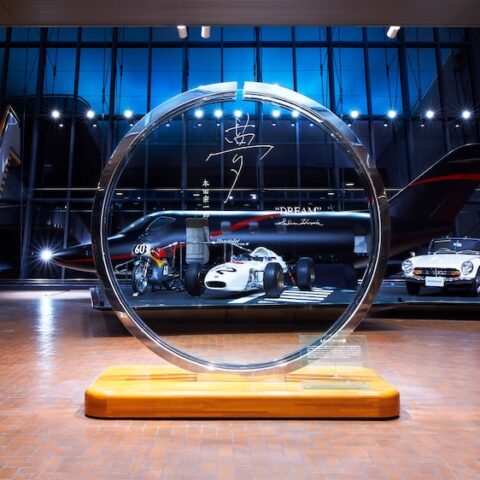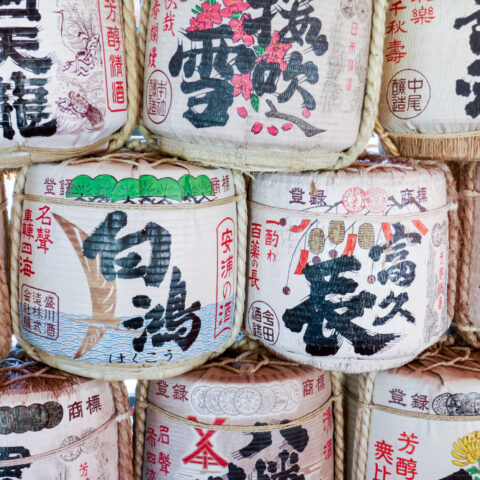
After nearly four years of renovation, the Edo-Tokyo Museum finally reopened on March 31, 2026, bringing one of Tokyo’s most beloved cultural attractions back to life with redesigned exhibitions, interactive features, and expanded storytelling experiences.
Located in Ryogoku (you might know it if you’re into sumo!), this iconic museum is dedicated to telling the story of Tokyo, from its Edo-period origins to the modern metropolis we know today. Through large-scale reconstructions, miniatures, immersive displays, and interactive learning spaces, the museum offers one of the best ways to understand Japan’s capital and its cultural evolution.
And as someone who visited about eight years ago, I can confidently say: this reopening is incredibly exciting. I had the chance to attend the Media session before the public reopening, and I can tell you the new additions make it even more immersive and engaging than before.
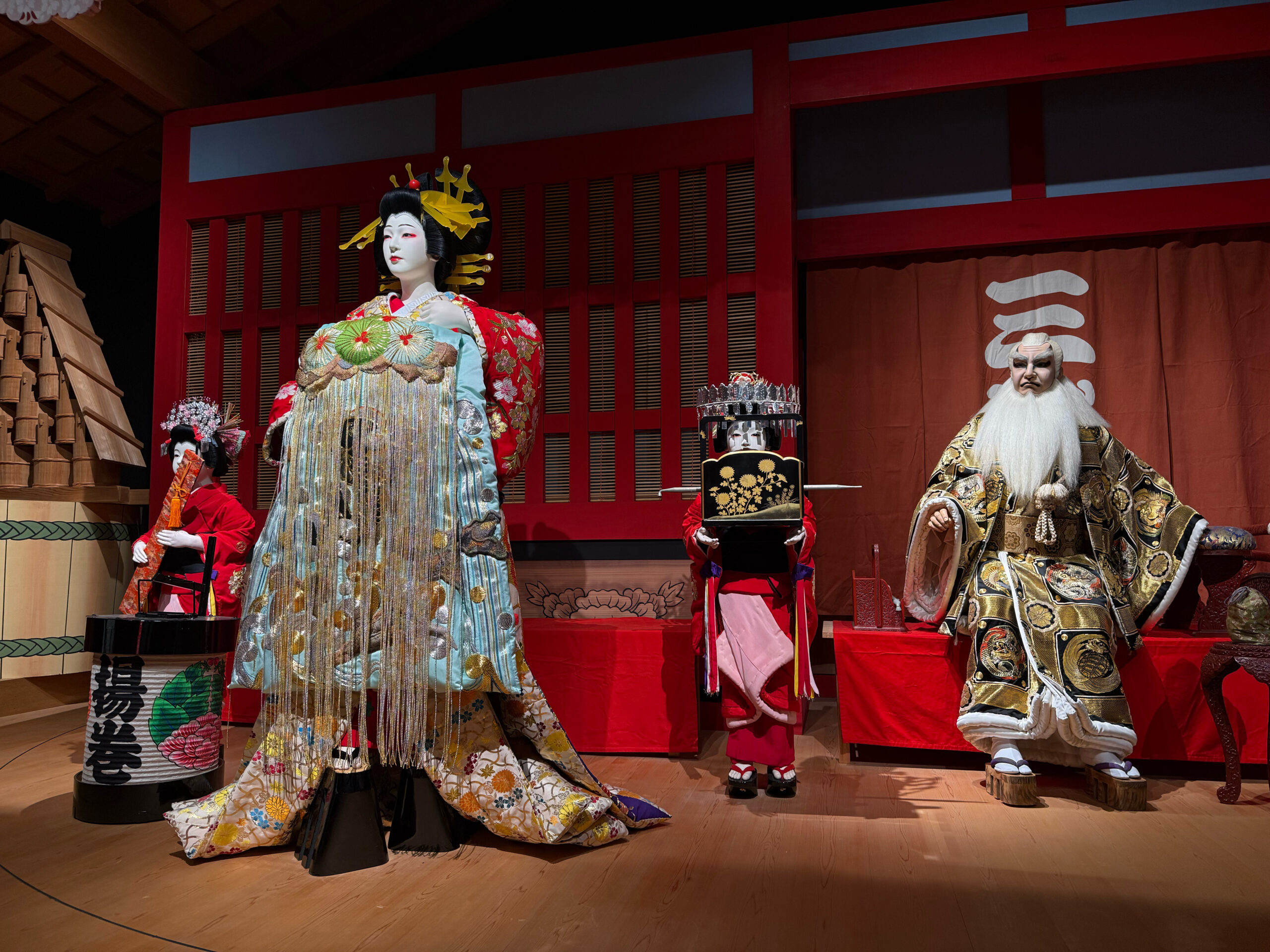
Inside the Edo Tokyo Museum – Credit: Jessica Iragne
A Major Reopening After Four Years of Renovation
The Edo-Tokyo Museum has been closed since April 2022 for major renovation work and facility upgrades. The reopening in March 2026 marks a major milestone, with redesigned exhibition spaces, improved accessibility, and new interactive features throughout the museum.
The museum originally opened in 1993 (oh wow, I was 8 years old…), and over the years it has become one of Tokyo’s most important cultural institutions, preserving the city’s history from the Edo period to modern times. Now, after a bit more than 30 years, the museum is entering a new chapter and from what we’ve seen, it’s better than ever.
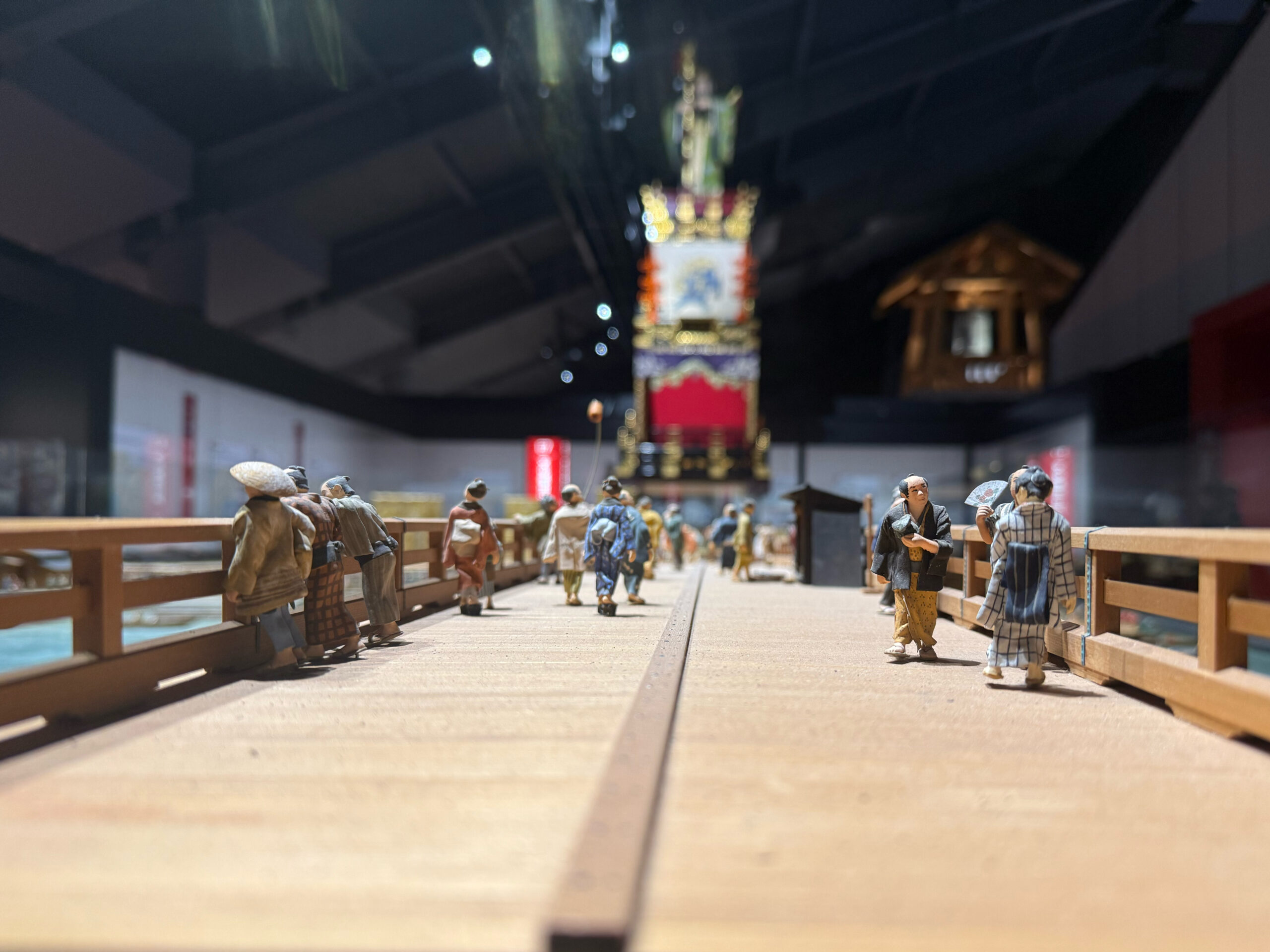
Miniature reconstruction – Credit: Jessica Iragne
A Fully Immersive Journey Through Edo and Tokyo
One of the Edo-Tokyo Museum’s biggest strengths has always been its reconstructions and immersive exhibits, and the reopening takes this concept even further.
Here is what you can explore there:
- Walk-through historical streets
- Full-scale models of Edo-era buildings
- Realistic recreations of daily life
- Interactive displays and educational installations
The museum is organized into two main zones: the first one is the “The Edo Zone” that represents traditional Tokyo life, and the second is “The Tokyo Zone” showing modern development and transformation.
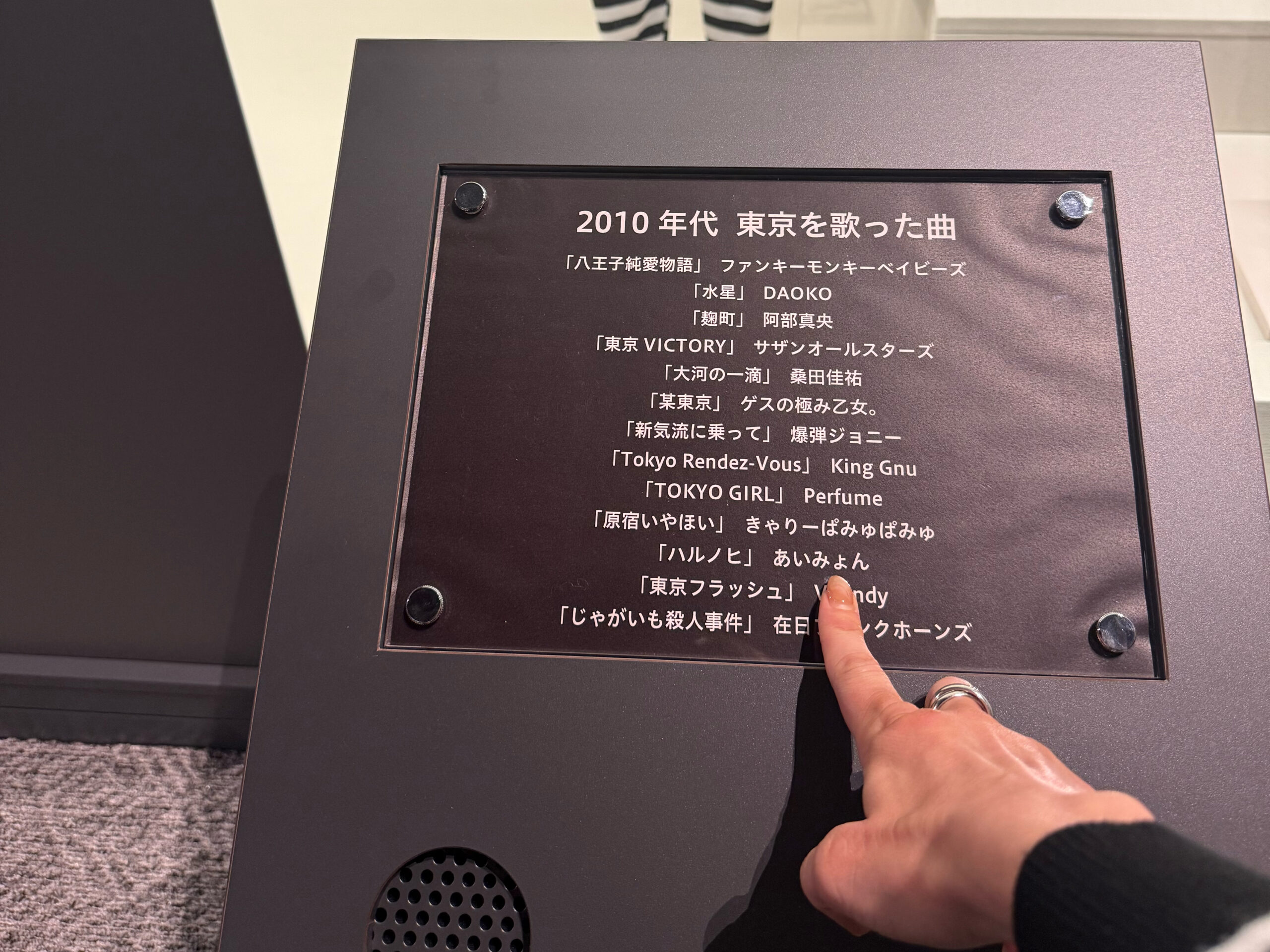
List of songs popular in Japan during the 2010s – Credit: Jessica Iragne
While I was hanging out in that last one, I was surprised to see my favorite singer, Aimyon, listed in the 2010s popular songs (I had to tell everyone around me, “did you see?!! Aimyon is in a museum!!”), but also an aisle about Covid and its impact on the Tokyo Olympics. Yes, it felt recent, but it was already 6 years ago…
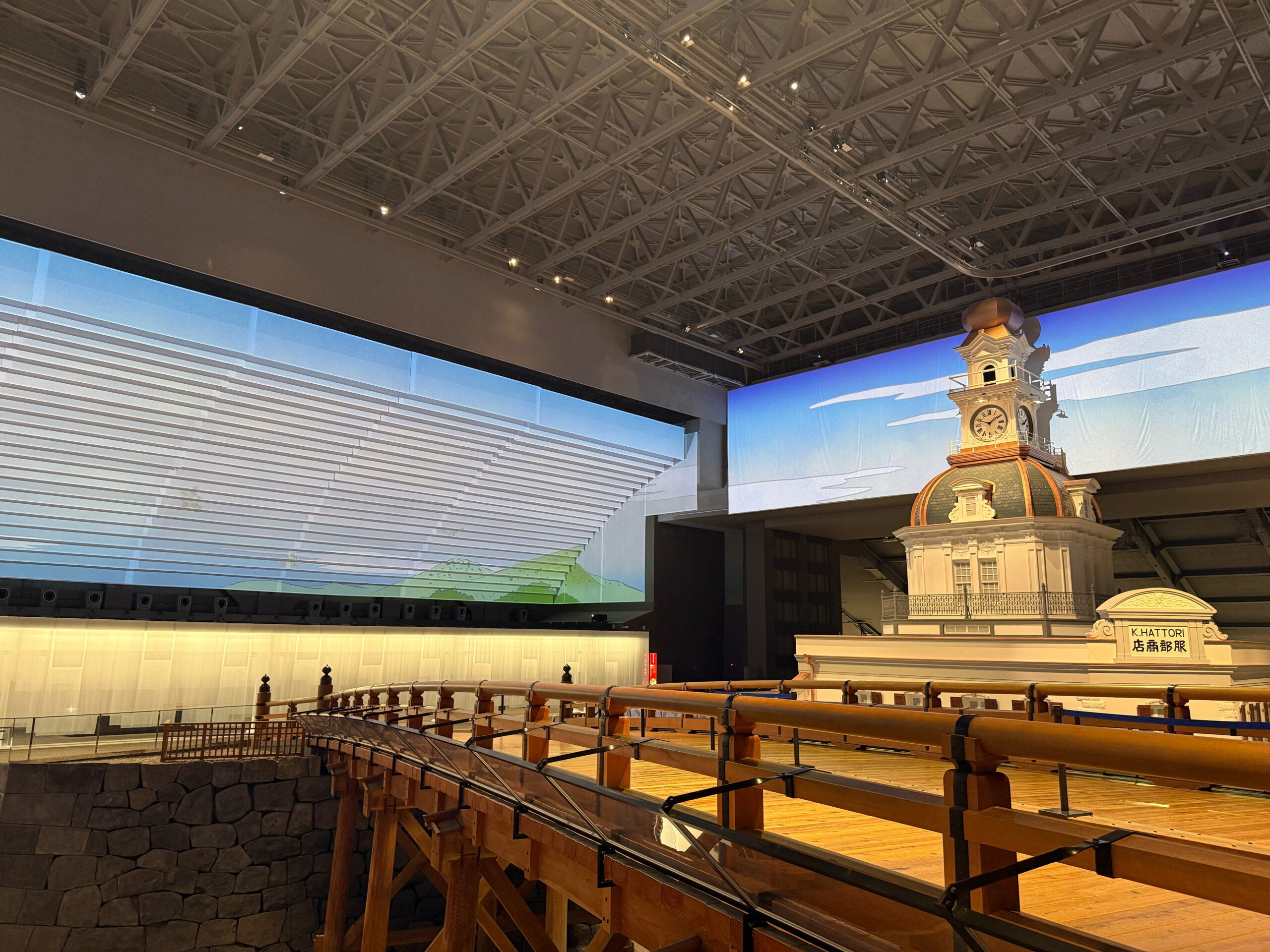
Reconstruction of Nihonbashi Bridge – Credit: Jessica Iragne
Anyway, these two areas are connected by a large-scale reconstruction of Nihonbashi Bridge, one of the most iconic symbols of Edo, and it’s pretty cool! This kind of storytelling, where you physically move through history, is what makes the Edo-Tokyo Museum so unique.
New Highlights to Look Forward To
The renewed permanent exhibition introduces several new or updated large-scale installations:
The Hattori Clock Shop (New Landmark Installation)
A reconstructed version of a historical Ginza landmark will serve as a gateway into Tokyo’s modernization period, showing how the city evolved over time.
Walk-Through Historical Spaces
Visitors can now physically enter and walk through reconstructed environments, including:
- Asakusa Hanayashiki Gate
- Dojunkai Daikanyama Apartments
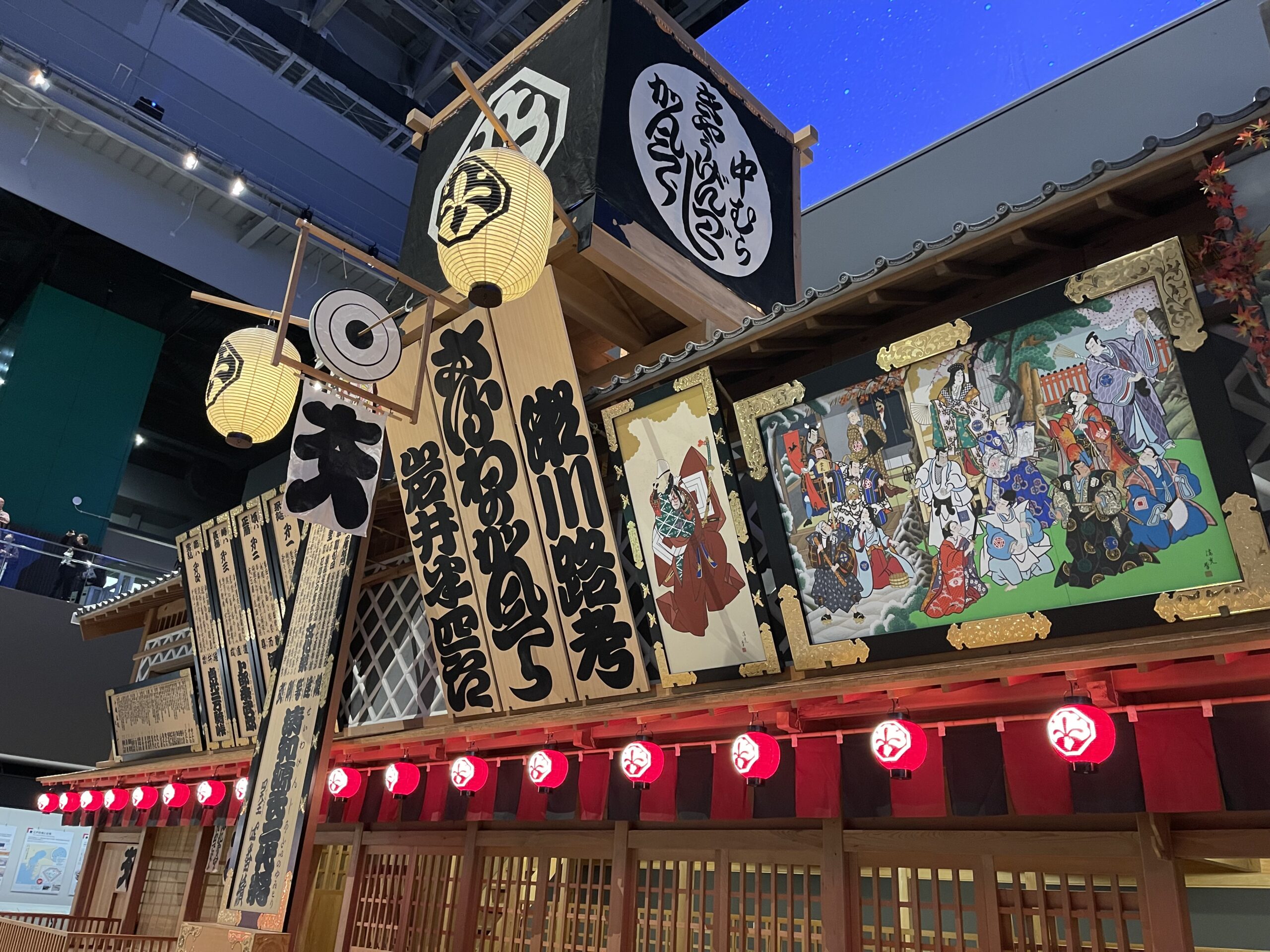
- Nakamura-za Theater
These realistic recreations allow visitors to experience Tokyo’s past at human scale, rather than simply viewing it behind glass.
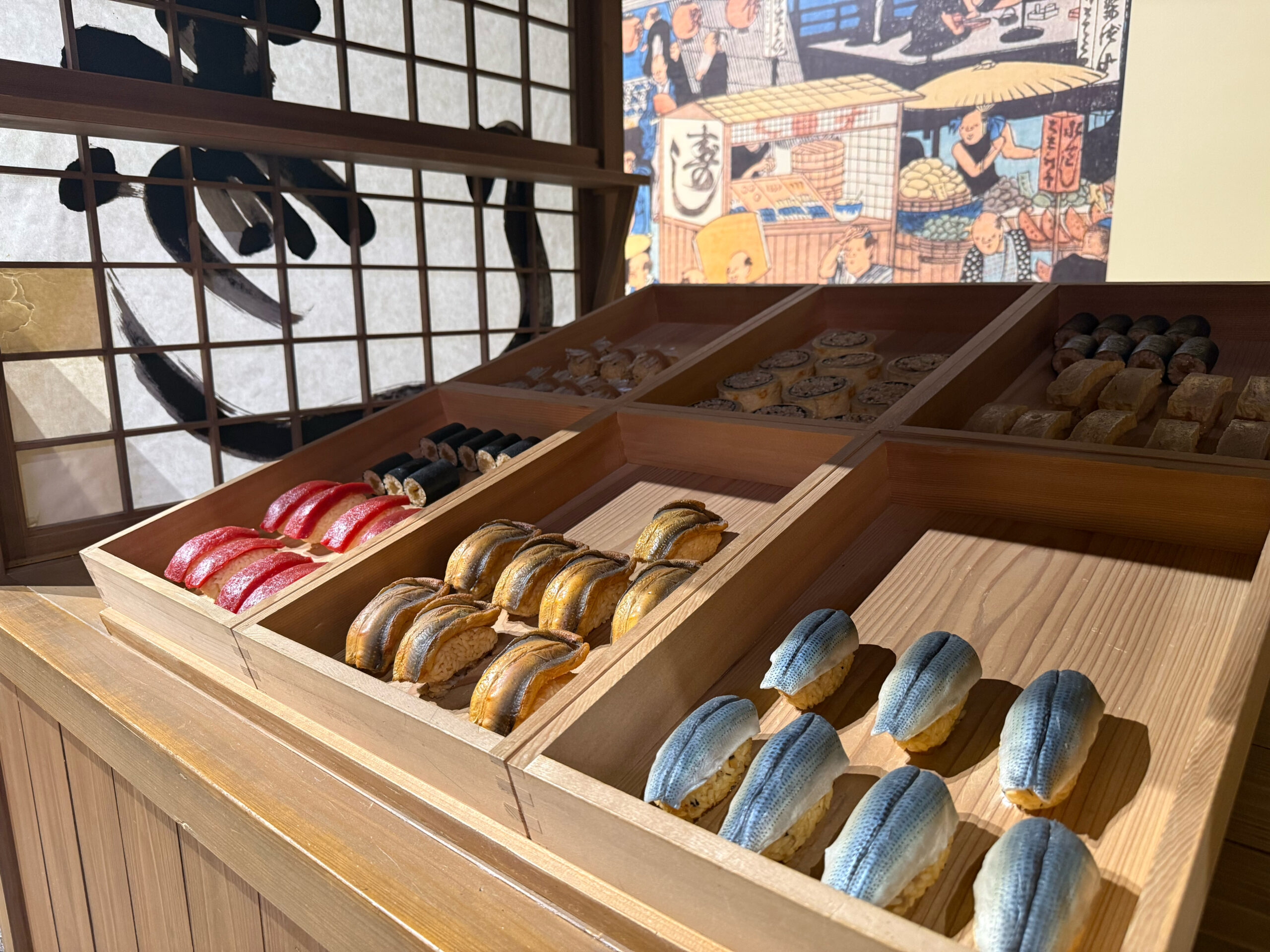
Sushi stall during the Edo period – Credit: Jessica Iragne
Edo Daily Life Experiences
New additions also include:
- Street vendor stalls
- Traditional row houses (Nagaya)
- Cultural spaces like temple schools (Terakoya)
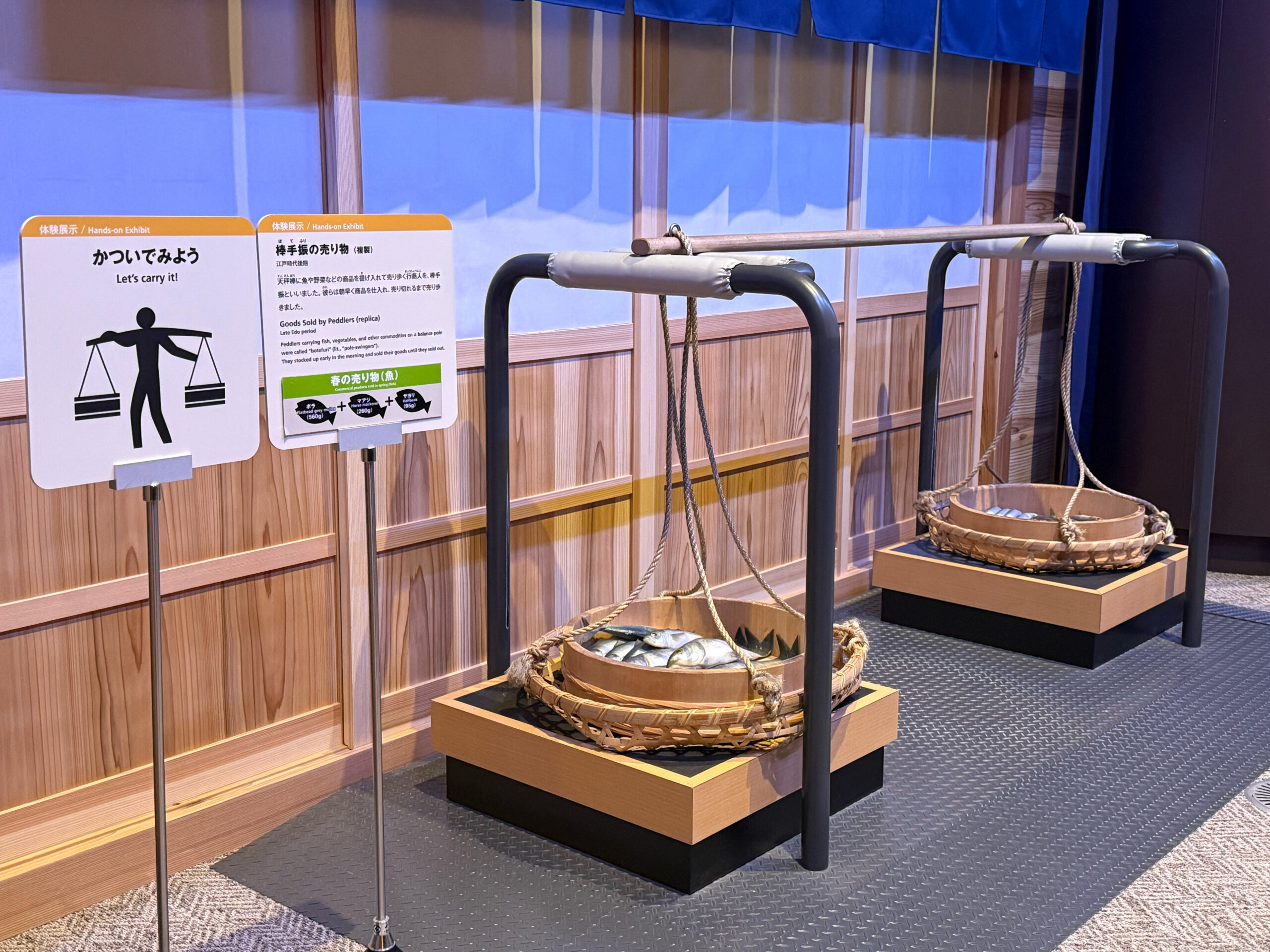
One of the interactive spaces – Credit: Jessica Iragne
These interactive environments help visitors better understand everyday life in Edo-period Japan. This was, to be honest, the part I was the most excited about, and also where I am sure families can have fun.
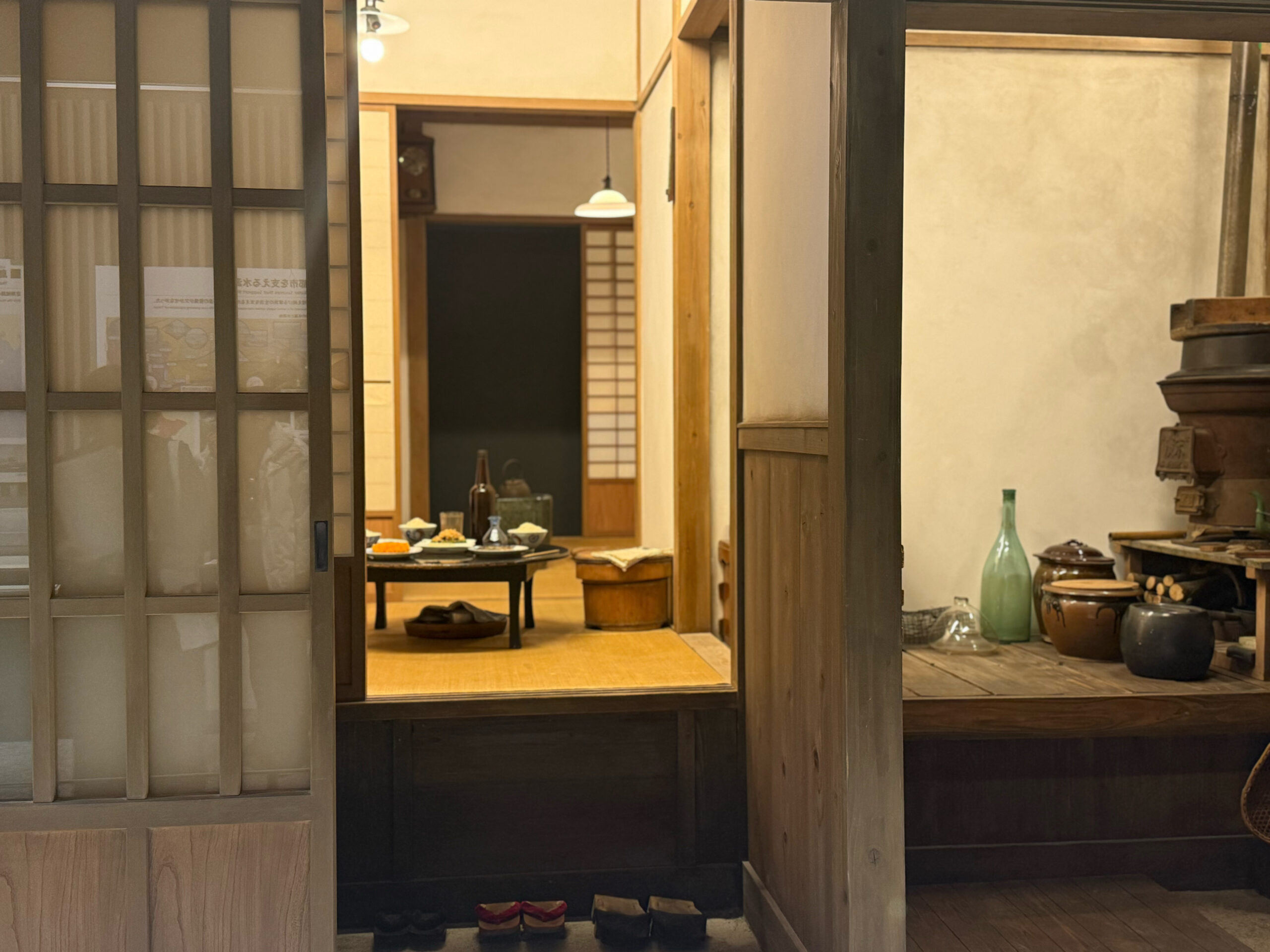
Inside a Japanese traditional house – Credit: Jessica Iragne
More Interactive and Accessible Than Ever
The Edo-Tokyo Museum has also focused heavily on interactive learning and accessibility in this renewal.
New features include:
- Multilingual audio guides (13 languages)
- Interactive educational videos
- Tactile models for hands-on learning
- Smartphone-based guide systems (which is for me one of the best features so you don’t have to use a dedicated audio guide but just use your own phone!)
- Improved accessibility and universal design
These updates make the museum more engaging and accessible for international visitors, families, and first-time travelers to Japan.
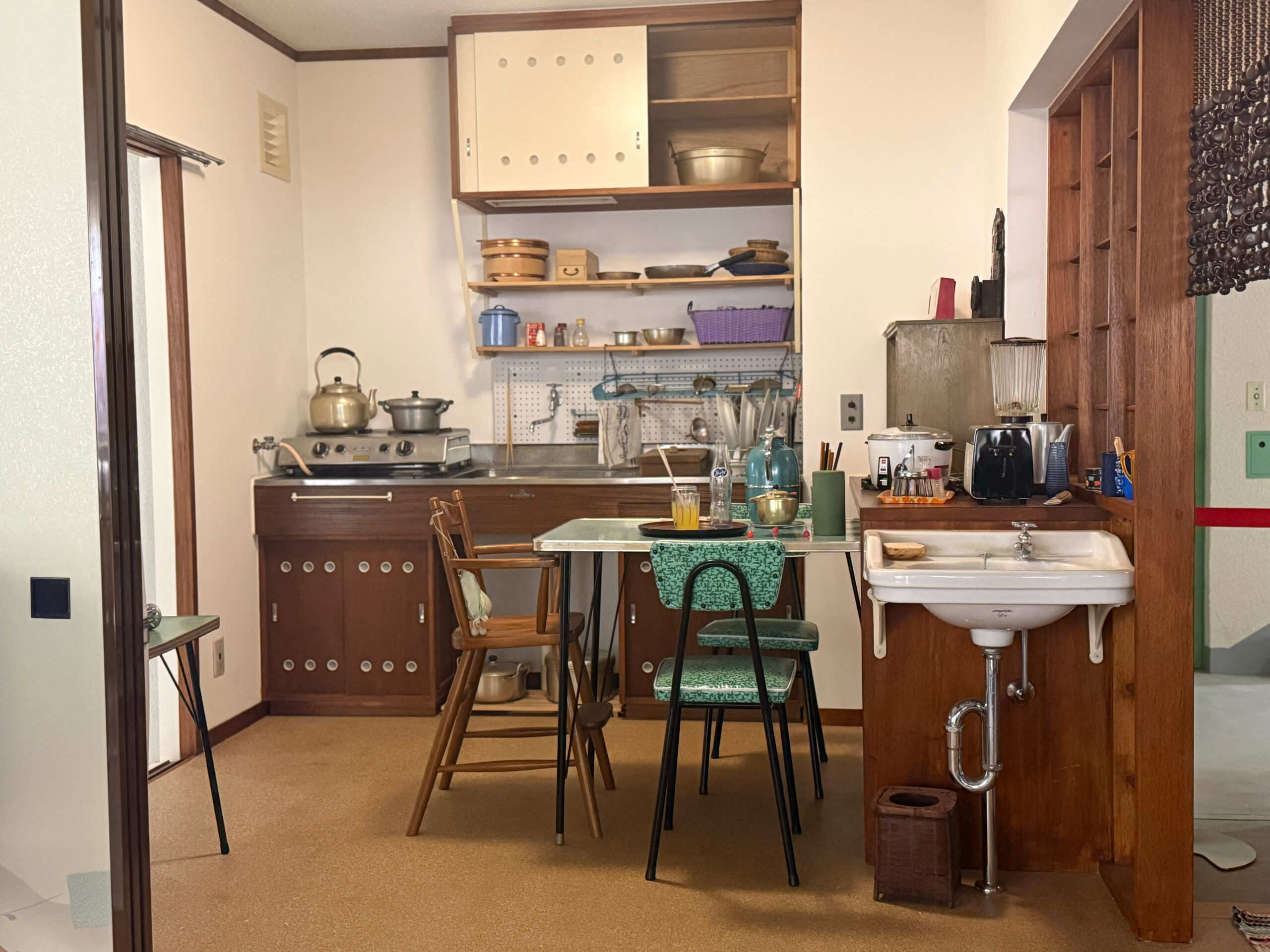
The inside of a house – Credit: Jessica Iragne
Why This Museum Is Worth Visiting
Tokyo is my favorite city in the world. While I am experiencing it in my daily life, I always love to learn more about it! And this is why I visited the Edo-Tokyo Museum about eight years ago, and I remember having a great time. Walking across the replica of Nihonbashi Bridge and seeing how Tokyo evolved after disasters and modernization made Tokyo’s history feel real and tangible.
Seeing how the museum has now expanded its immersive elements, added interactive technology, offers more language support, and refreshed the storytelling approach makes it even better for travelers.
If you’re interested in Japanese culture, Tokyo history, or simply want a museum that feels dynamic and engaging, this is absolutely one to add to your Tokyo itinerary. There is also a restaurant/café offering full meals or just snacks and drinks, and of course, a souvenir shop!
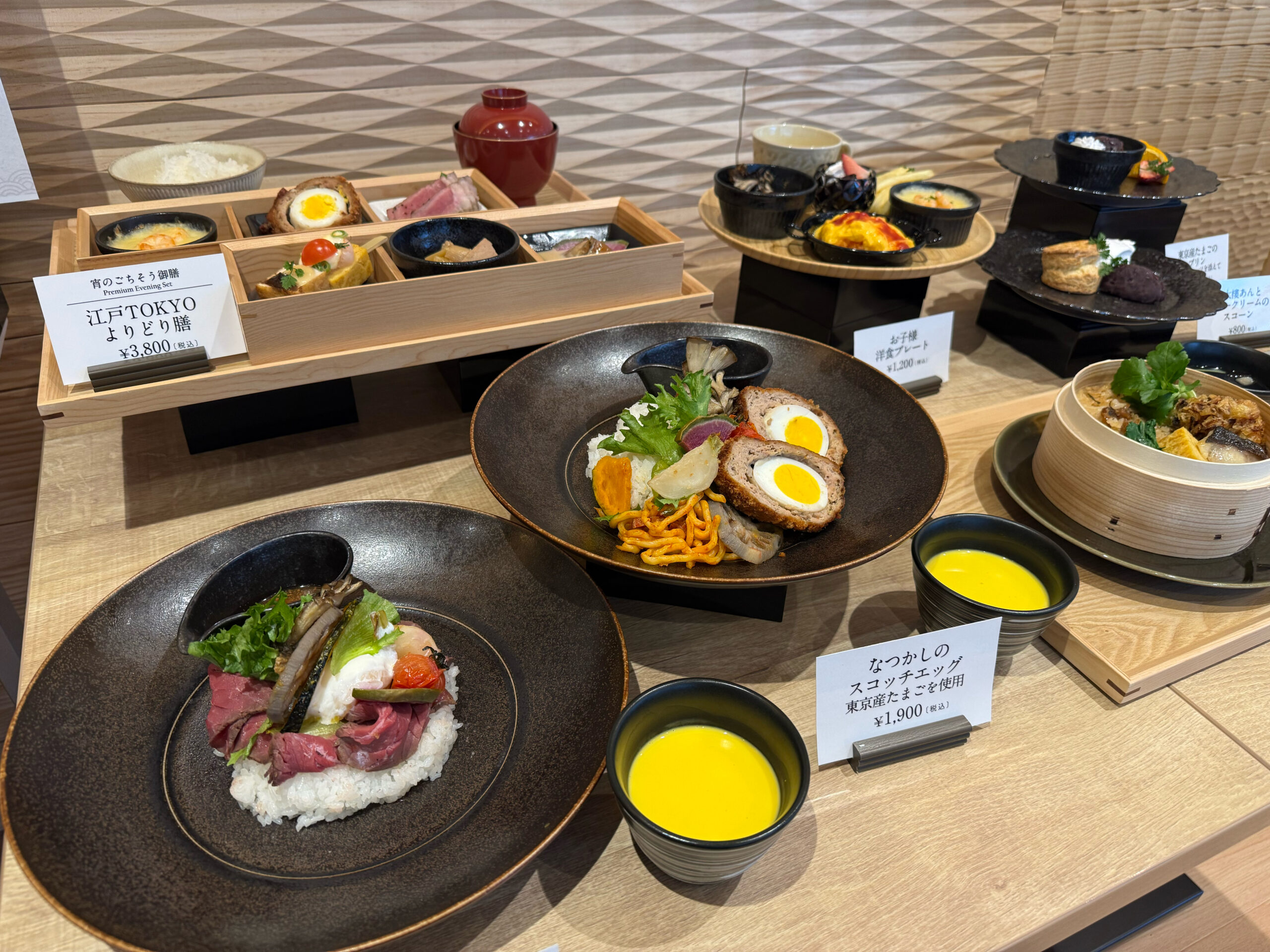
Food samples from the restaurant – Credit: Jessica Iragne
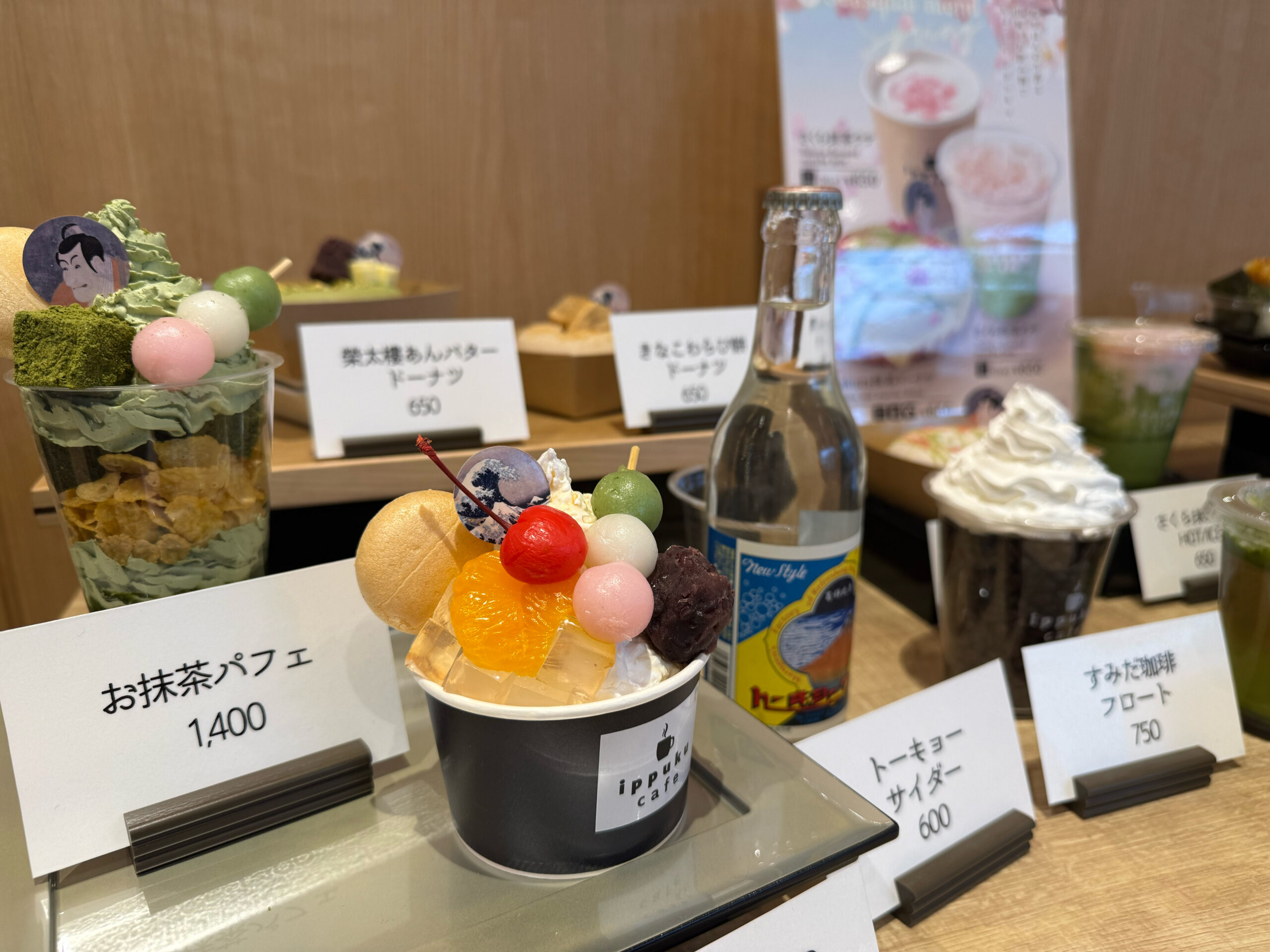
Food and drinks from Ippuku Cafe – Credit: Jessica Iragne
Location: 1 Chome-4-1 Yokoami, Sumida City, Tokyo 130-0015
Google Maps link: https://maps.app.goo.gl/fZTGr435XNyXNhvc9
Website: https://www.edo-tokyo-museum.or.jp/en/
⚠️ Important:
This article refers to the Tokyo Metropolitan Edo-Tokyo Museum in Ryogoku, not the Edo-Tokyo Open Air Architectural Museum, which is a different museum.
Featured Photo Credit: Carlotta Villa, Arigato Travel