

So you’ve decided to go to Japan! The excitement is bubbling, the Pinterest boards are full of sushi and sakura, and you might even be wondering if you packed enough socks. Before you let your imagination run wild through Kyoto’s alleyways or Tokyo’s neon streets, there are a few essentials to get in order so your trip starts as smoothly as possible.
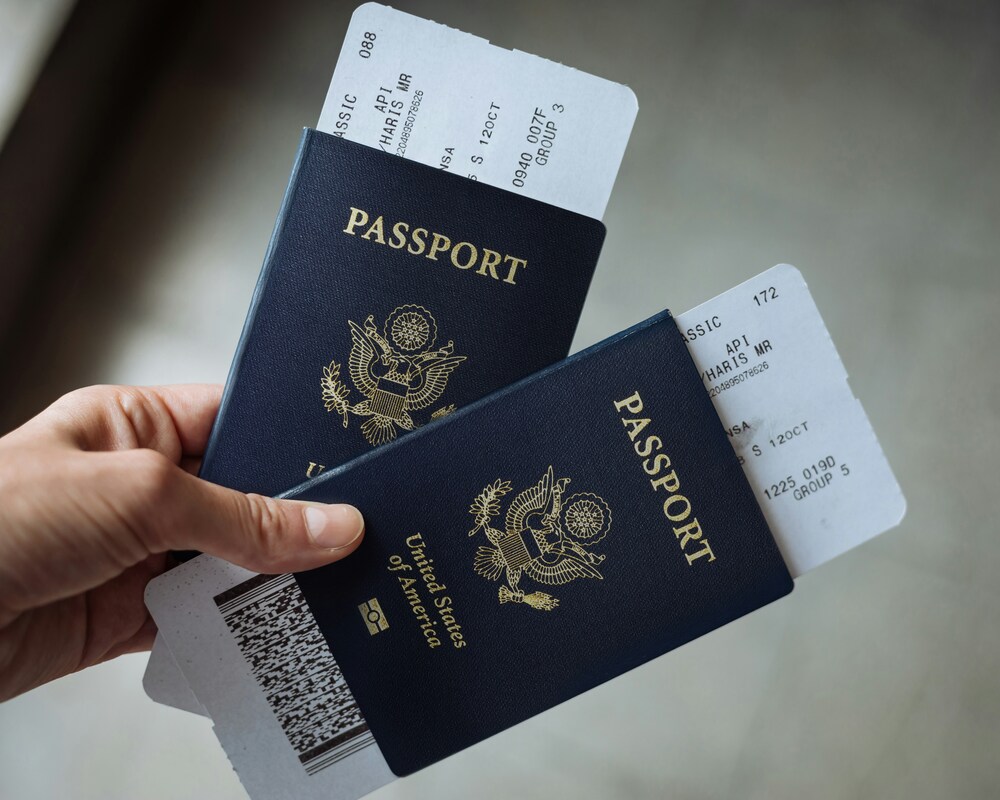
Passports and boarding passes – Photo Credit: Global Residence Index
Travel Essentials: What You Need Before You Go
First and foremost, your passport is the golden ticket to your adventure, and it needs at least six months of validity. Depending on your nationality, you might also need a visa, so it is worth checking Japan’s official immigration website well in advance.
Flights and hotel confirmations should be kept handy in both digital and printed formats, because even in the age of smartphones, a paper backup can be a lifesaver. Travel insurance is another must-have. From unexpected flight delays to sudden sushi overindulgence, having both medical and trip coverage will give you peace of mind.
If you plan to bring medication, be aware that Japan has strict rules. The Ministry of Health, Labour and Welfare has guidance on what requires special permission, so make sure to double-check before packing anything. Finally, jot down emergency contacts such as your embassy, your insurance hotline, and the phone numbers of your accommodations. It may feel overly cautious, but in a country where the language barrier is a real issue, having a lifeline is comforting.
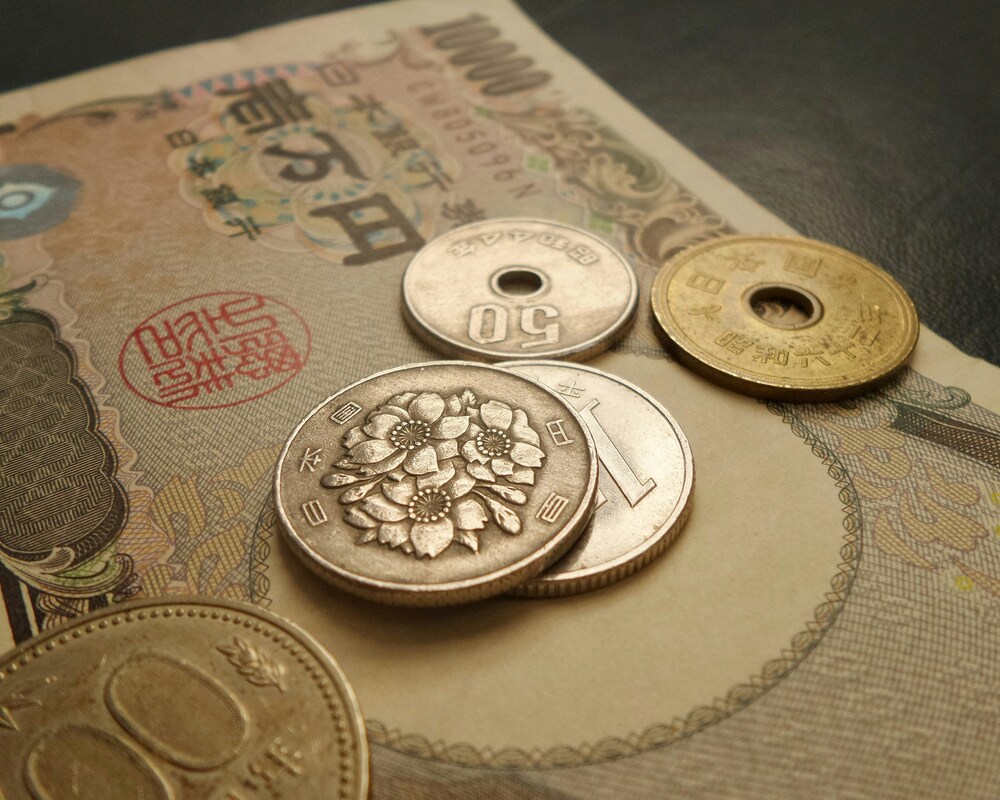
Japanese bills and coins – Photo Credit: Possessed Photography
Money & Payments: Handling Cash and Cards
Money matters are important. While credit cards such as Visa and Mastercard are widely accepted, American Express is less common, so it’s best not to rely on it exclusively. Japan remains a cash-friendly country, and having around ¥20,000 to ¥30,000 for your initial expenses will help with taxis, meals, and spontaneous vending machine finds.
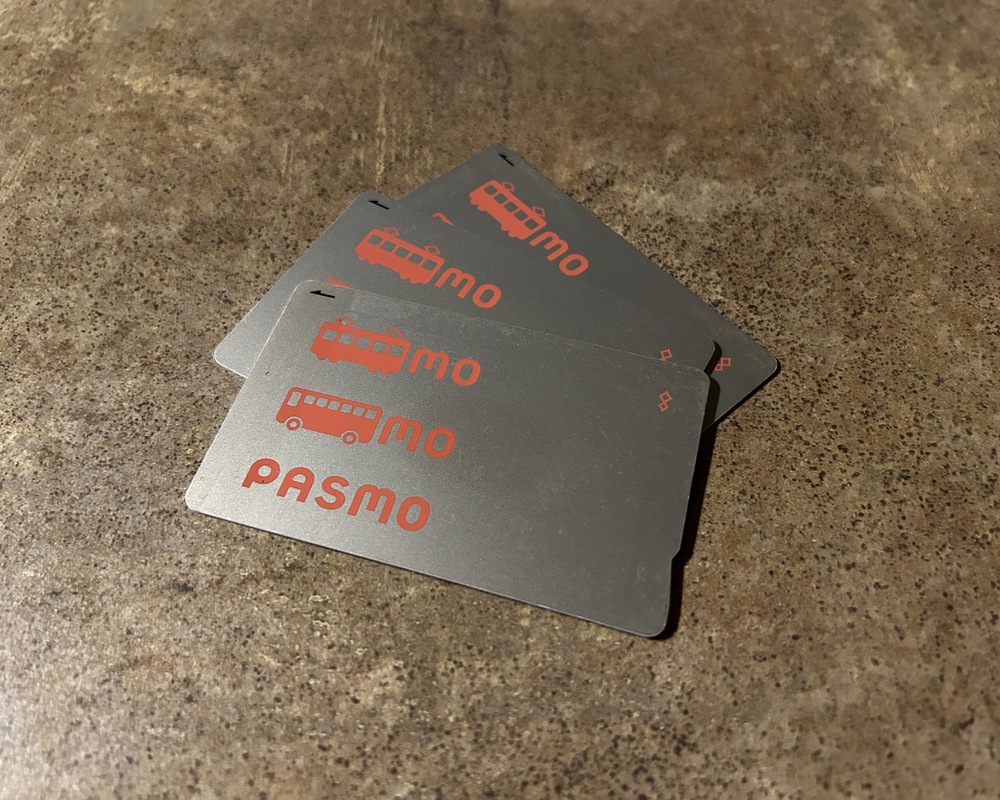
PASMO IC cards – Photo Credit: Brad Stephens
You will also want to get an IC card like Suica, PASMO, or ICOCA. These nifty cards can be used not just for trains and buses, but even in convenience stores. You can pick one up at the airport or any major train station, and it will save you the hassle of buying individual tickets everywhere. For the most convenient experience, you can add Suica to your smartphone via Apple Wallet or Google Pay and just tap your phone to pay for transit or purchases without carrying the physical card. PASMO also works on iPhone, and some Android phones may support it. ICOCA is mainly physical, though limited Android support exists. If it is digitally available, I highly recommend it because you can just tap your phone to pay for transit or purchases without carrying the physical card.
Apps to Download: Your Phone as a Travel Sidekick
Technology can be your best friend while navigating Japan. Google Maps will help you find your way through winding streets, while Google Translate, with its offline dictionary and lens option, is indispensable for deciphering menus or signs. For detailed train schedules, Navitime Japan Travel is unmatched.
You might also consider downloading local mobile payment apps like PayPay, though they are optional. Messaging apps like LINE or WhatsApp will keep you connected, and MyMizu is a handy tool for locating free water refill points across the country. With these apps ready, you can travel smarter and more efficiently, leaving more time to enjoy the experience.

Japanese taxi – Photo Credit: Se. Tsuchiya
Transportation Tools: Getting Around Made Easy
Transportation options in Japan are plentiful and surprisingly easy for travelers. The Suica app provides a digital alternative to your IC card. Luggage transfer services like Bounce let you travel light between cities while your suitcase takes a separate journey. Ride-hailing apps such as GO Taxi and S. Ride are English-friendly and allow registration with non-Japanese credit cards, making it simple to get around.
Pre-Arrival & Arrival Requirements: Breeze Through Immigration
Before you even board your flight, you can complete the Visit Japan Web forms online. This optional method replaces the old paper immigration and customs forms and usually speeds up your entry process, though the paper version is still available if you prefer the traditional way. Be sure to take screenshots of your QR codes for immigration and customs as a backup. You will also need the address of your first accommodation in Japan for your arrival documents, so keep that handy. Preparing in advance will make your arrival smooth and stress-free.
Connectivity: Staying Connected in Japan
Staying connected is essential, especially for navigation and communication. Renting a pocket Wi-Fi or picking up a local SIM card at the airport is the easiest option for groups or families. For solo travelers or couples, an eSIM from services like Airalo or Roamless can be a sleek alternative, though one device only works for one person at a time.
It is also worth checking with your mobile provider for international plans. For example, T-Mobile offers Japan-specific options that can save you hassle and extra fees. Being connected keeps you safe, informed, and ready to explore without interruptions.

Japan Airlines at Narita Airport – Photo Credit: Afif Ramdhasuma
Embrace the Adventure: Your Journey Awaits
Japan is a magical blend of the future and the past. You will bow to robots, wander through serene gardens, and realize that convenience stores are actually gourmet food courts. Having your pre-arrival checklist in order will free you to enjoy the adventure without unnecessary stress. So make sure your passport is valid, your yen is ready, and your sense of adventure is fully charged. Japan is waiting, full of temples, neon lights, sushi, and unforgettable experiences for you to discover and create!
Featured Photo Credit: mos design


