In Japan, food isn’t just about taste—it’s a reflection of culture and a way of life. Over the past few years, the farm-to-table movement has been gaining momentum across the country, emphasizing locally sourced, fresh ingredients, reducing food miles, and supporting sustainable agriculture. This not only makes dishes healthier and more flavorful but also benefits the environment and strengthens local communities. This philosophy aligns perfectly with Japan’s long-standing concept of “Chi-San Chi-Sho” (地産地消)—literally meaning “local production, local consumption.”
More and more restaurants across the country are now partnering directly with local farms, fisheries, and artisanal producers to bring the freshest seasonal ingredients straight to the table. From careful ingredient selection to the final dish, every step of the process is designed to preserve peak freshness and quality. This approach not only enhances the natural flavors of the cuisine but also deepens diners’ connection to the land and the food they eat.
In this blog, we’ll take you on a journey through Japan’s farm-to-table dining scene, explore how sourcing seasonal ingredients locally supports sustainability, and introduce some must-visit restaurants where you can enjoy delicious, eco-friendly meals—all while making a positive impact on the environment and local communities.
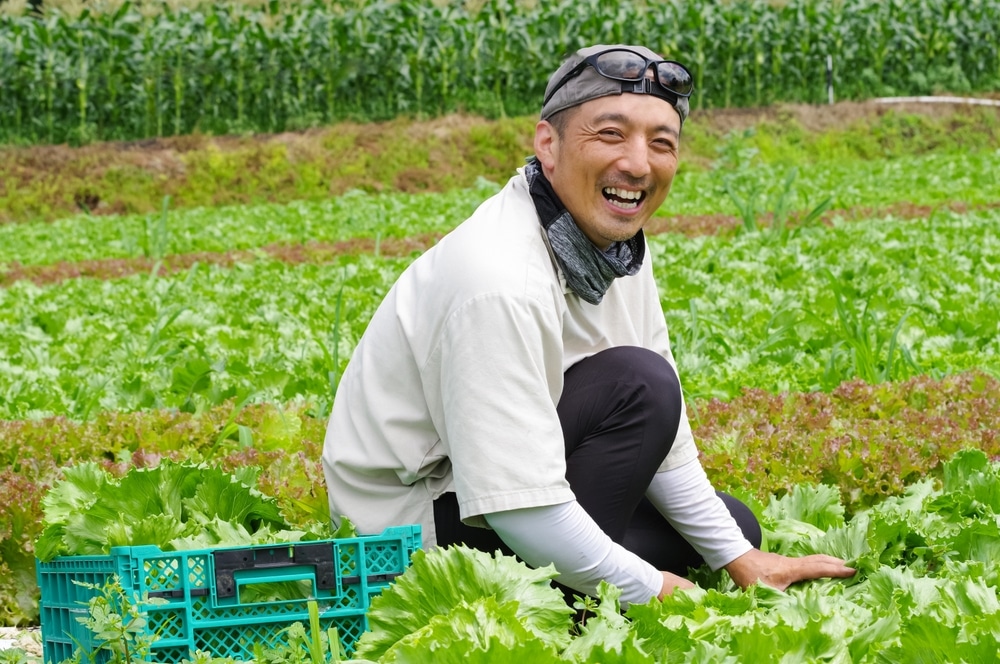
A Japanese man harvesting in a lettuce field – Photo Credit: beauty-box
What is Farm-to-Table?
Farm-to-table is more than just a trend—it’s a dining philosophy that prioritizes sourcing ingredients directly from farmers and local producers, using them at peak freshness. By cutting out middlemen, this approach minimizes storage time, reduces unnecessary processing, and preserves the natural flavors of food. It’s a win-win for both consumers and the environment, supporting local agriculture while reducing carbon emissions from long-distance transportation.
Many restaurants not only source ingredients locally but also build close relationships with producers, learning about their farming methods and growing conditions. This ensures that every ingredient is used to its fullest potential, offering diners a deeper appreciation of Japan’s seasonal bounty and sustainable agriculture.
From just-picked vegetables and freshly caught seafood to handcrafted miso from nearby breweries, farm-to-table dining in Japan is more than just a movement—it’s a way to reconnect people with the land, the seasons, and the producers behind their meals.
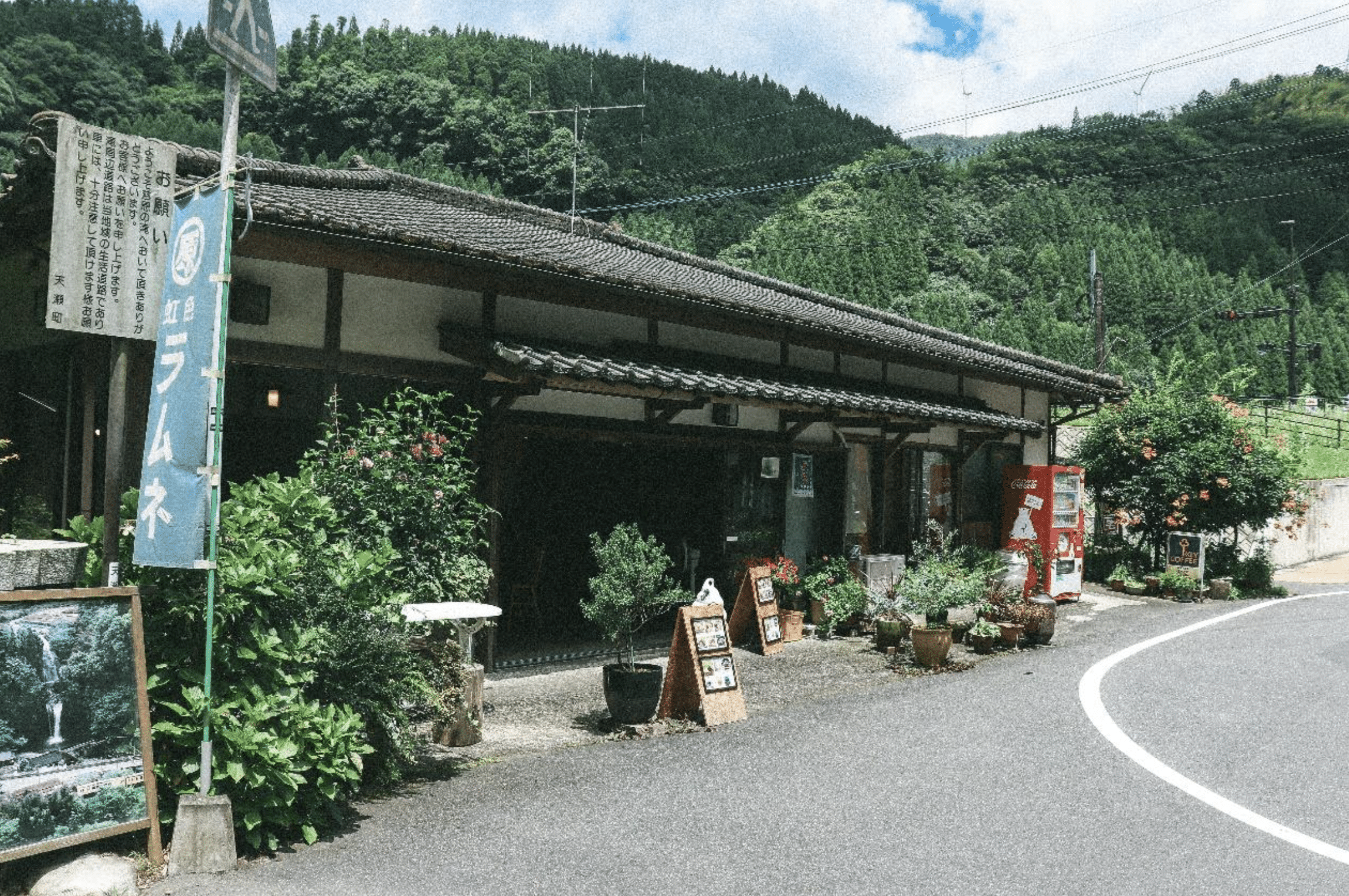
House in Rural Japan – Photo Credit: SLNC
Where Farm-to-Table Meets “Chi-San Chi-Sho”
The Chi-San Chi-Sho movement took root in Japan during the economic downturn of the 1980s as a way to revitalize local economies and promote self-sufficiency by reducing dependence on imported food. What started as a national effort soon evolved into a community-driven initiative, giving rise to urban farms and small-scale agriculture in even the most unexpected places.
Interestingly, around the same time, the farm-to-table movement was also emerging in the West, particularly in Europe, where it was influenced by Italy’s Slow Food Movement. While both concepts emphasize fresh, locally sourced ingredients, their development took different paths.
In Western countries, farm-to-table is often associated with organic farms that supply high-end restaurants, appealing primarily to young professionals and food enthusiasts. In contrast, Japan’s Chi-San Chi-Sho is deeply community-oriented, aiming not only to supply the freshest ingredients to restaurants but also to support local farmers, create jobs, and preserve agricultural land.
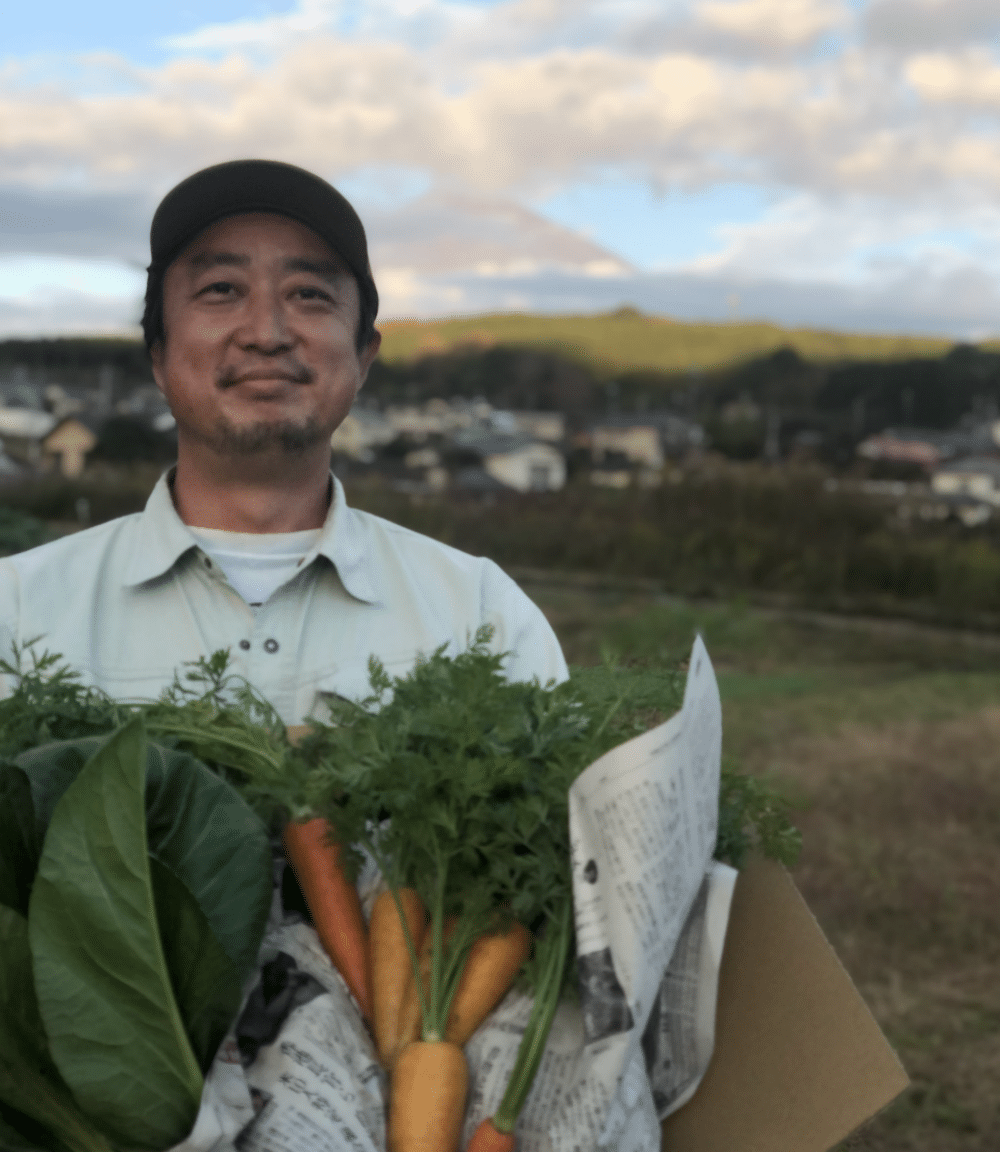
A farmer in Shizuoka – Photo Credit: Arigato Travel
To ensure a steady supply of top-quality seasonal ingredients, many Japanese chefs build direct relationships with local farmers. Some restaurants even go a step further by owning their own farms, growing specific crops tailored to their menu needs. Farmers plant and harvest ingredients on demand, ensuring that dishes are crafted with the freshest possible produce.
Every morning, freshly picked vegetables are delivered straight from the fields to the kitchen, and by evening, diners can savor the purest, most vibrant flavors of the season. This hyper-local supply chain doesn’t just elevate food quality, it offers a true taste of unprocessed, farm-fresh flavors, creating a system where everyone benefits—from farmers to chefs to the diners themselves.
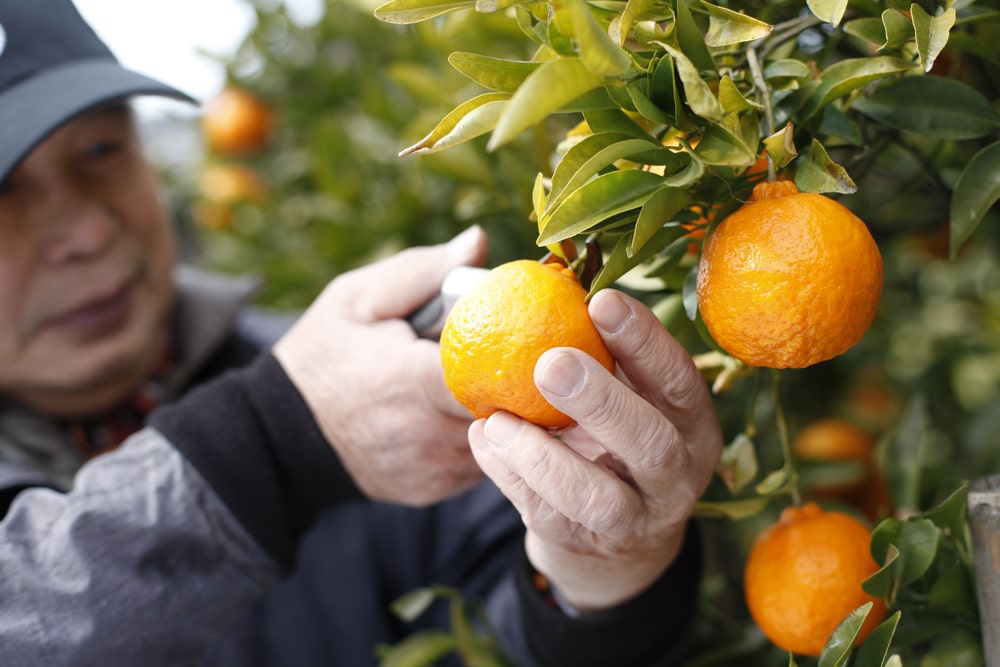
Harvesting citrus fruits – Photo Credit: kazoka
Best Farm-to-Table Restaurants in Japan
With Chi-San Chi-Sho driving Japan’s food scene, many restaurants are embracing the farm-to-table philosophy, crafting delicious dishes using the freshest local ingredients. Here are some must-visit farm-to-table restaurants that let you taste the true essence of Japan’s seasonal cuisine:
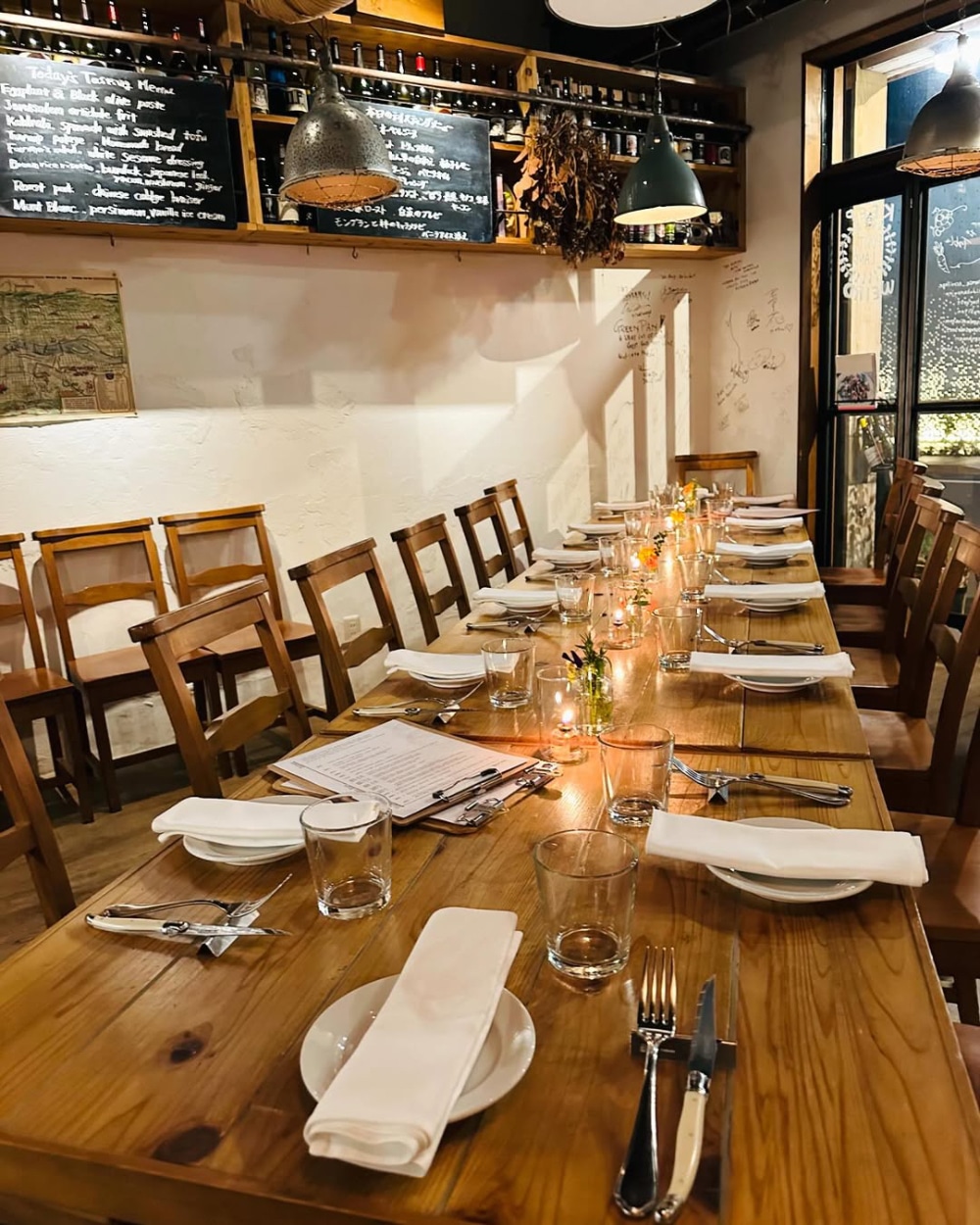
Inside views of Sustainable Kitchen ROSY – Photo Credit: Sustainable Kitchen ROSY Official Instagram
Sustainable Kitchen ROSY (Kanda, Tokyo)
Location: 〒101-0036 Tokyo, Chiyoda City, Kanda Kitanorimonocho, 11 1F
Per person: ¥2,000 – ¥5,000
Nestled in a 70-year-old traditional Japanese house, Sustainable Kitchen ROSY is where history, sustainability, and incredible flavors come together. This cozy restaurant opened in September 2018. The head chef, having lived in France, Italy, and Australia, was deeply influenced by the organic food culture abroad. After returning to Japan, he decided to open such a restaurant to deliver the Farm-to-Table concept.
Every ingredient here is carefully selected. The organic vegetables come directly from Japanese farmers who grow their produce without pesticides or chemical fertilizers. But what truly sets ROSY apart is its commitment to ethical sourcing, especially when it comes to eggs and meat.
Take their eggs, for instance. ROSY exclusively uses fertilized eggs from Sekizuka Farm, where chickens roam freely, feeding on locally produced grains. These hens are raised without vaccines or antibiotics, resulting in eggs with unparalleled richness and depth of flavor. Their silky pudding, made from these exceptional eggs, is nothing short of extraordinary—smooth, creamy, and delicately sweet with a natural freshness that lingers on your palate.
And then, there’s the pork. ROSY proudly serves natural pork from Tahara City, Aichi Prefecture—meat that is raised without antibiotics. Their ham, in particular, is a must-try. Thinly sliced and sprinkled with just a touch of sea salt, it delivers an exquisite balance of flavors—subtle salinity, a hint of natural sweetness from the fat, and a depth that unfolds with every bite. Pure, simple, and absolutely delicious.
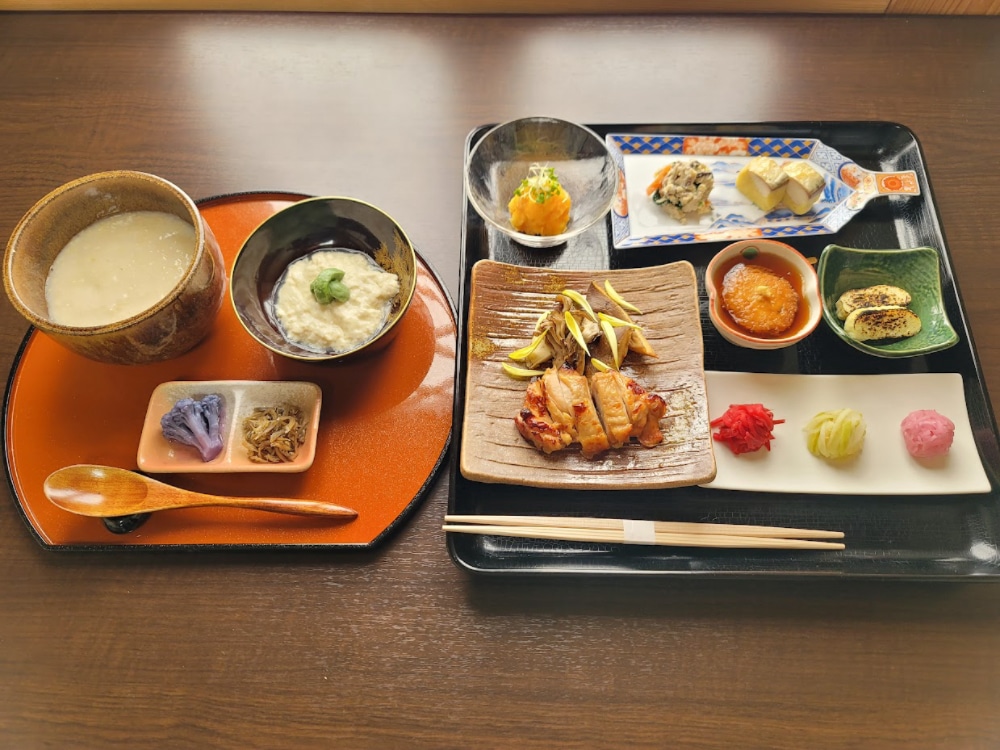
Lunch at SHIKI-ZEN – Photo Credit: SHIKI-ZEN Official Website
SHIKI-ZEN (Togoshi Hachiman shrine, Tokyo)
Location: 〒142-0041 Tokyo, Shinagawa City, Togoshi, 2 Chome−6−23 八幡神社内
Per person: ¥1,000 – ¥4,000
SHIKI-ZEN is a restaurant dedicated to showcasing the “true essence of Japanese cuisine” by focusing on locally sourced ingredients and traditional fermented foods. Their philosophy is rooted in “Ichibutsu Zentai”—the belief in using every part of an ingredient to minimize waste and honor nature’s bounty. Every product is carefully selected, ensuring that each dish embodies the purest, most natural flavors.
Fermentation plays a key role in their cooking, not only enhancing taste but also offering numerous health benefits. From their rich, deeply flavored miso soup to their house-made pickles, everything is crafted using time-honored methods that preserve the depth and complexity of Japanese fermentation. Even their dashi (broth) is slowly simmered the traditional way, free from artificial additives, resulting in dishes with incredible depth and umami.
At SHIKI-ZEN, seasonality is at the heart of their menu. Every visit brings a new experience, featuring the freshest, most exquisite ingredients of the season. Whether it’s an elegantly crafted kaiseki meal or a simple yet perfectly balanced teishoku (set meal), every dish reflects the beauty of Japan’s natural gifts.
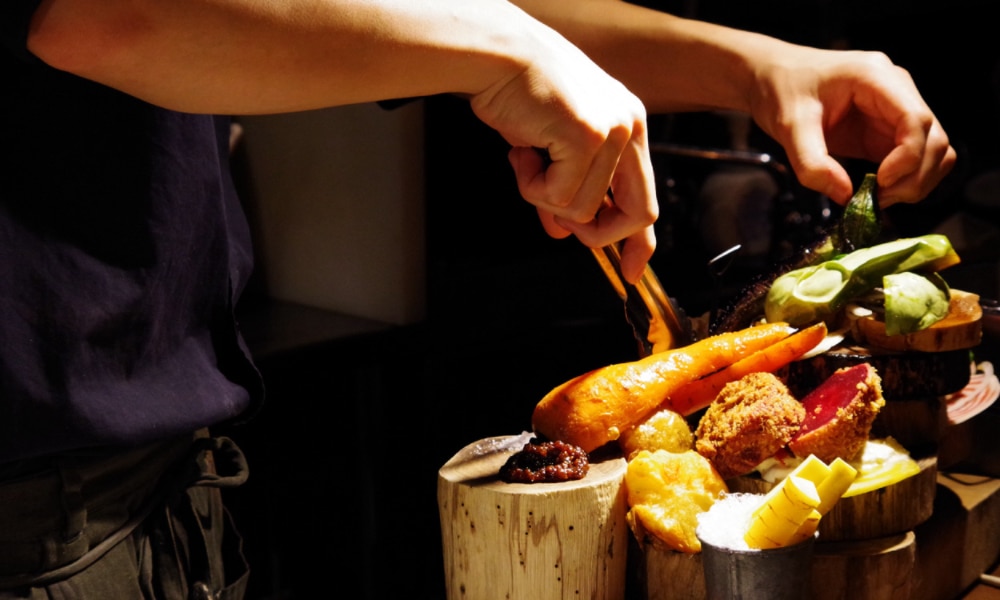
Savor Nature at WE ARE THE FARM – Photo Credit: WE ARE THE FARM
WE ARE THE FARM (Akasaka, Tokyo)
Location: 〒107-0052 Tokyo, Minato City, Akasaka, 2 Chome−17−69 赤坂エミナンス 1F
Per person: ¥1,500 – ¥8,000
Founded in 2014, WE ARE THE FARM is an organic restaurant chain driven by a simple yet powerful philosophy: bringing out the purest flavors of vegetables. What sets them apart? No modified seeds, no pesticides, no chemical fertilizers—ever. All produce comes from their exclusive partner farms, grown using carefully selected heirloom seeds. Every morning, fresh vegetables are harvested and delivered, ensuring a seasonal menu that evolves with nature.
Their cooking approach? Minimal intervention, maximum flavor. By keeping techniques simple, they let the natural taste of each ingredient shine, so much so that the vegetables alone are a delight. One of the restaurant’s biggest highlights is its vegetable buffet, offering a variety of set options that cater to both light eaters and those looking for a full meal. Fresh, organic, and bursting with flavor.
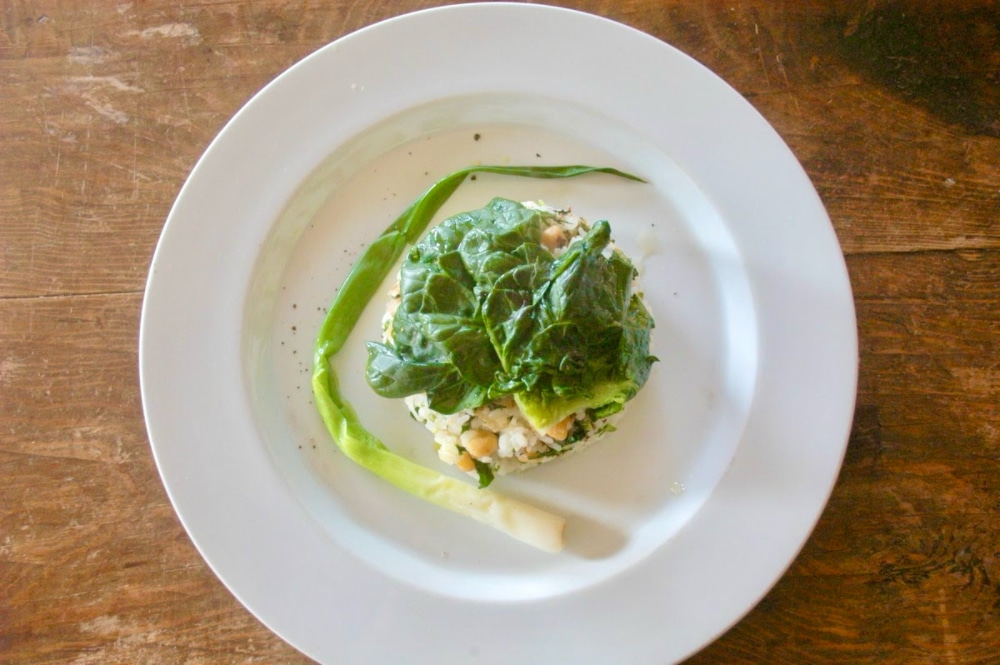
Farm-Fresh Delight at Café Millet – Photo Credit: Café Millet
Café Millet (Kyoto)
Location: 1118 Shizuichishizuharacho, Sakyo Ward, Kyoto, 601-1121
Per person: ¥2,000 – ¥3,000
Nestled near Sanzen-in Temple, Café Millet is more than just a restaurant—it’s a place to slow down, reconnect with nature, and savor food in its purest form. With its own farm, every dish is made from freshly harvested fruits and vegetables, while the bread is baked in-house. Even the tableware and decor are carefully chosen from natural materials, immersing diners in an atmosphere of warmth and authenticity.
Café Millet only serves lunch and requires advance reservations, as everything is handmade with care to ensure the highest quality. The chef believes that food is not just nourishment but a connection between people, the land, and the seasons. Keeping things simple, their dishes are 100% plant-based, free from any animal products. Each plate highlights the pure essence of the ingredients, allowing diners to taste the vitality of nature in every bite.
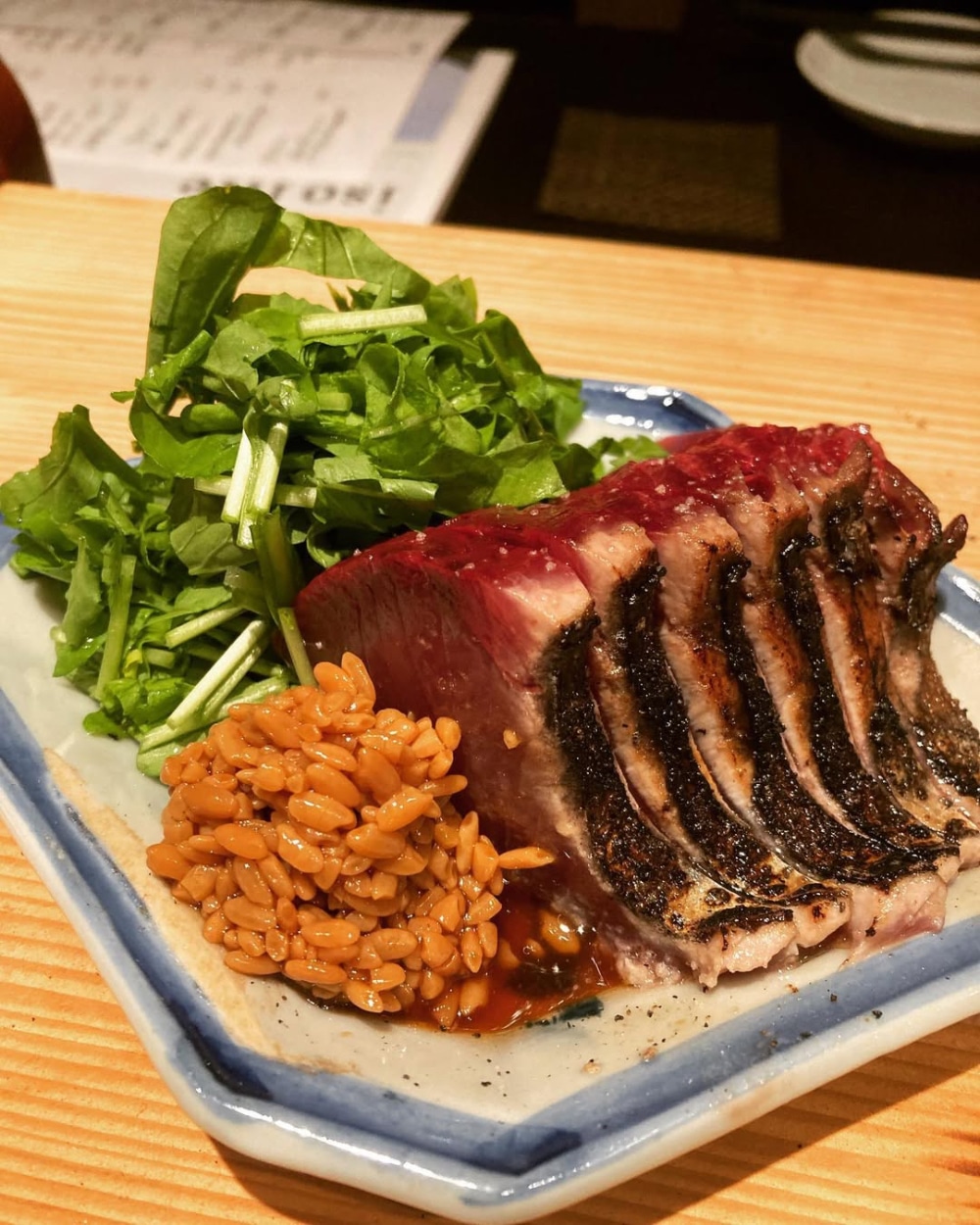
Meat Dishes at Onikai – Photo Credit: Onikai
Onikai (Kyoto)
Location: 388 二階 Komeyacho, Nakagyo Ward, Kyoto, 604-8026
Per person: ¥3,000 – ¥5,000
The Gojuya Group is a chain of restaurants, each of which is centered on “vegetables,” but each of which has a different positioning, target audience, and style of cuisine. One of them is Onikai, a creative izakaya specializing in high-quality vegetable cuisine, where diners can enjoy unprecedented vegetable flavors in an izakaya setting.
Onikai insists on sourcing the freshest seasonal vegetables directly from local farms and employs various innovative cooking techniques to bring out different layers of flavor. The dishes here are not traditional “vegetarian cuisine” but rather vegetable-centered creations paired with carefully selected high-quality ingredients, offering a one-of-a-kind dining experience.
At Onikai, you can savor charcoal-grilled vegetable skewers, low-temperature vegetable dishes, creative vegetable sushi, and even vegetable-infused desserts. For example, the charcoal-grilled Kyoto vegetable skewers retain the natural sweetness of the vegetables, while the handmade vegetable soy milk cream puffs have a soft and refreshing texture, challenging the conventional perception of a traditional Japanese izakaya.
Embrace Farm-to-Table and Savor Sustainable Dining
Farm-to-table restaurants not only bring the freshest and healthiest ingredients to your plate but also reduce carbon emissions from food transportation, support local farmers, and promote sustainable agriculture. This philosophy is not just about flavor. It is a conscious choice for the environment, the community, and the future.
Next time you visit Japan, take the opportunity to explore these restaurants. Taste the true essence of the season and the land, and experience the charm of Farm-to-table dining.
Featured Photo Credit: kazoka